
THE LOST LIONS
(2025-ongoing)
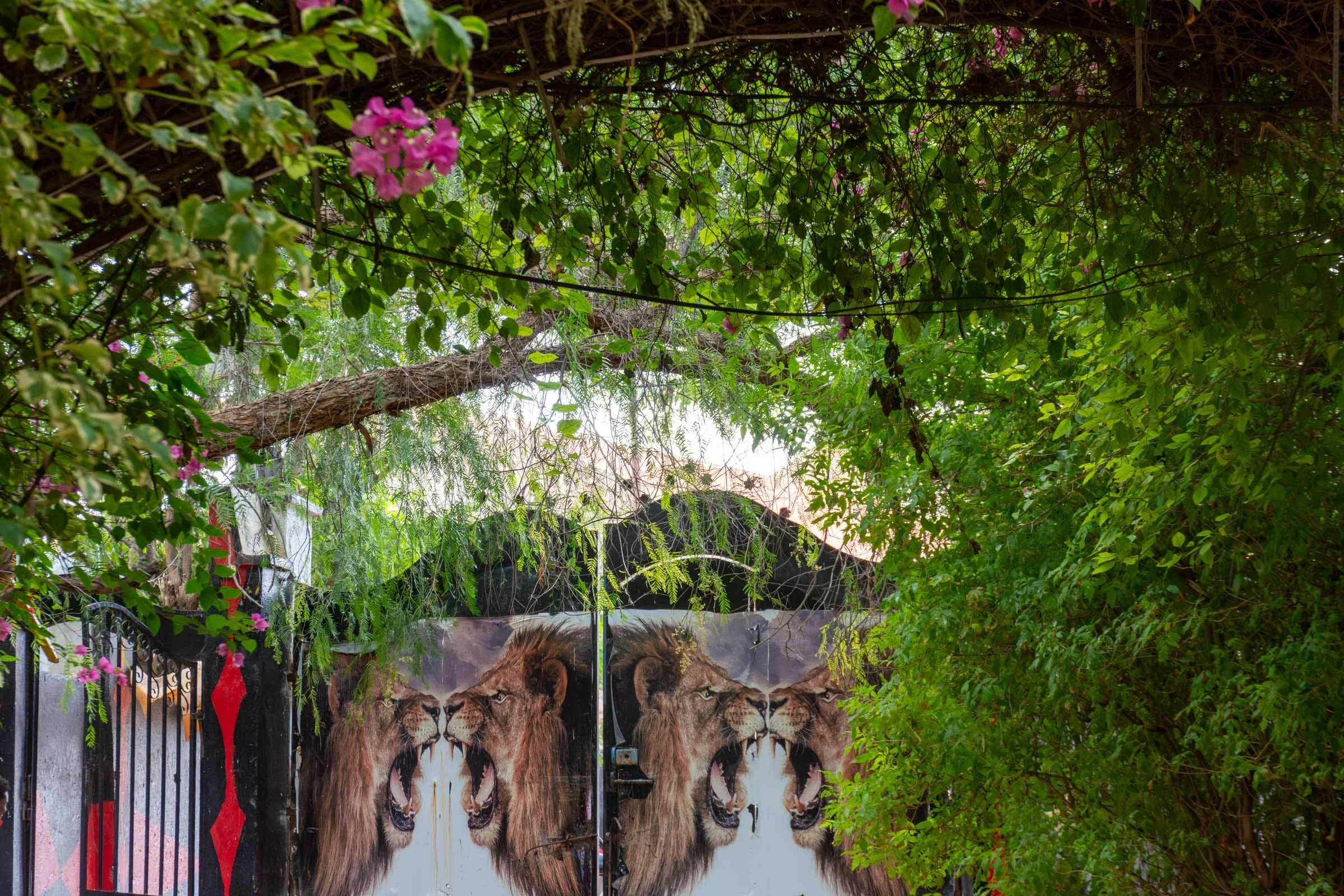
Lions have disappeared from Somaliland in living memory. Hunted to near extinction, trafficked as exotic pets, and dispelled by war, habitat loss, and drought, they highlight a region's wildlife and ecosystems on the brink of survival.
As memories and stories of lions begin to fade, and with them a part of Somaliland’s cultural and natural heritage, I went in search of these creatures and the people, landscapes and wildlife they touched. Gathering the perspectives of communities and conservationists, this ongoing project explores whether it’s possible to preserve what is still left.
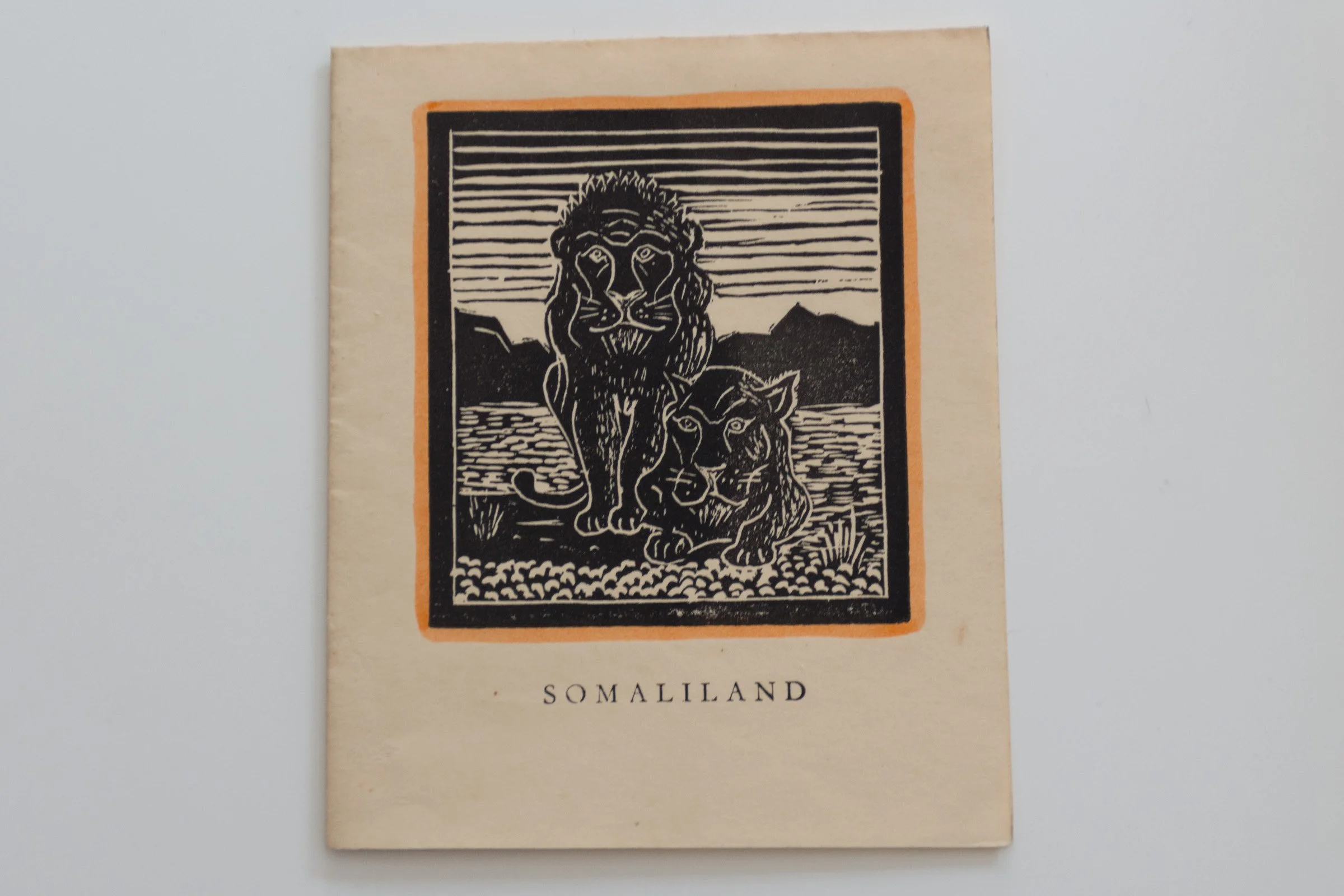
Depicting a pair of lions, the hand-printed Christmas card was designed for the former British colonial administration in Somaliland in the mid-twentieth century. Passed on to me by the artist's granddaughter, it was a parting gift before my move to the Horn of Africa in 2018. Yet when I arrived I learned that lions had all but disappeared, sparking a curiosity to understand their fate.
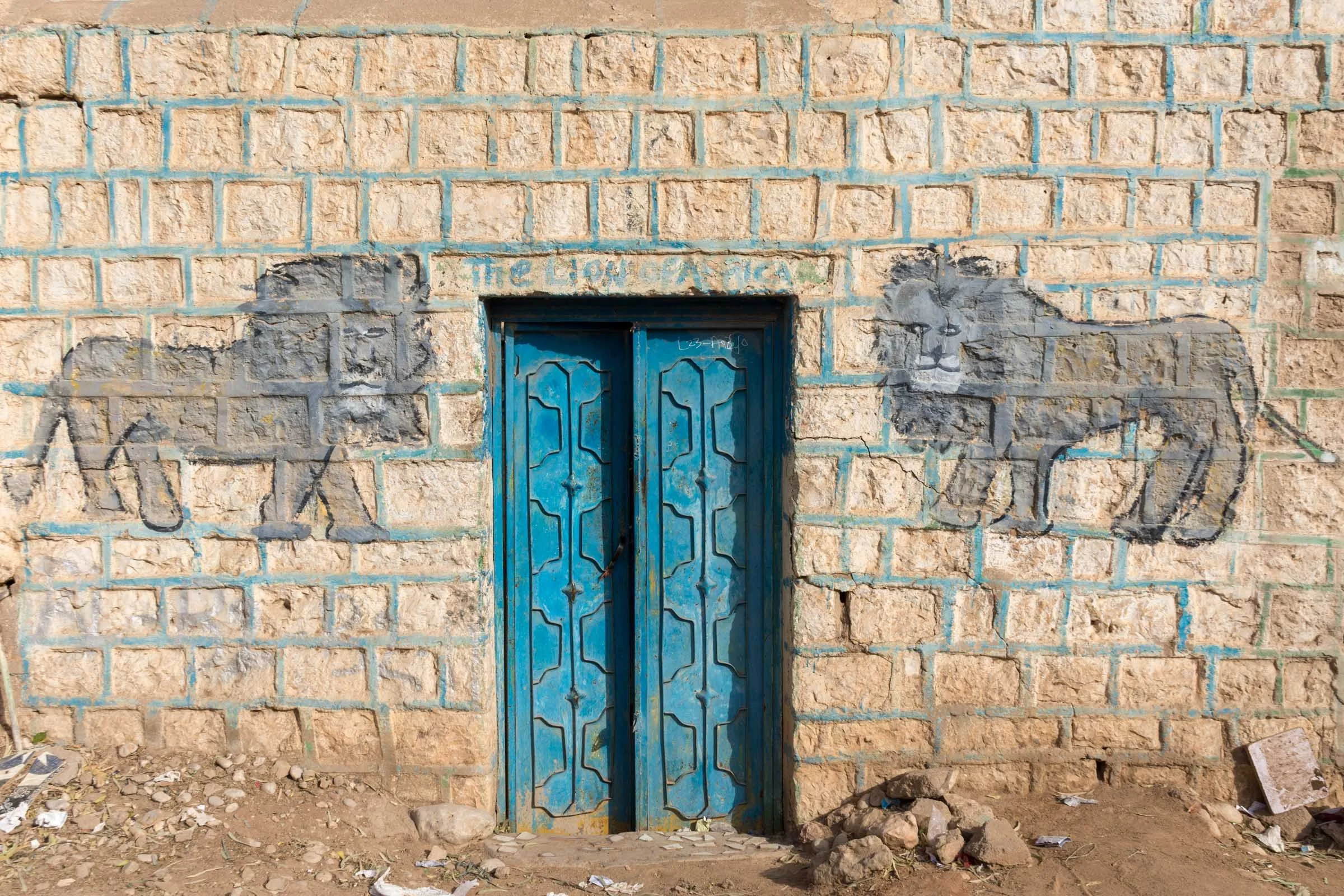
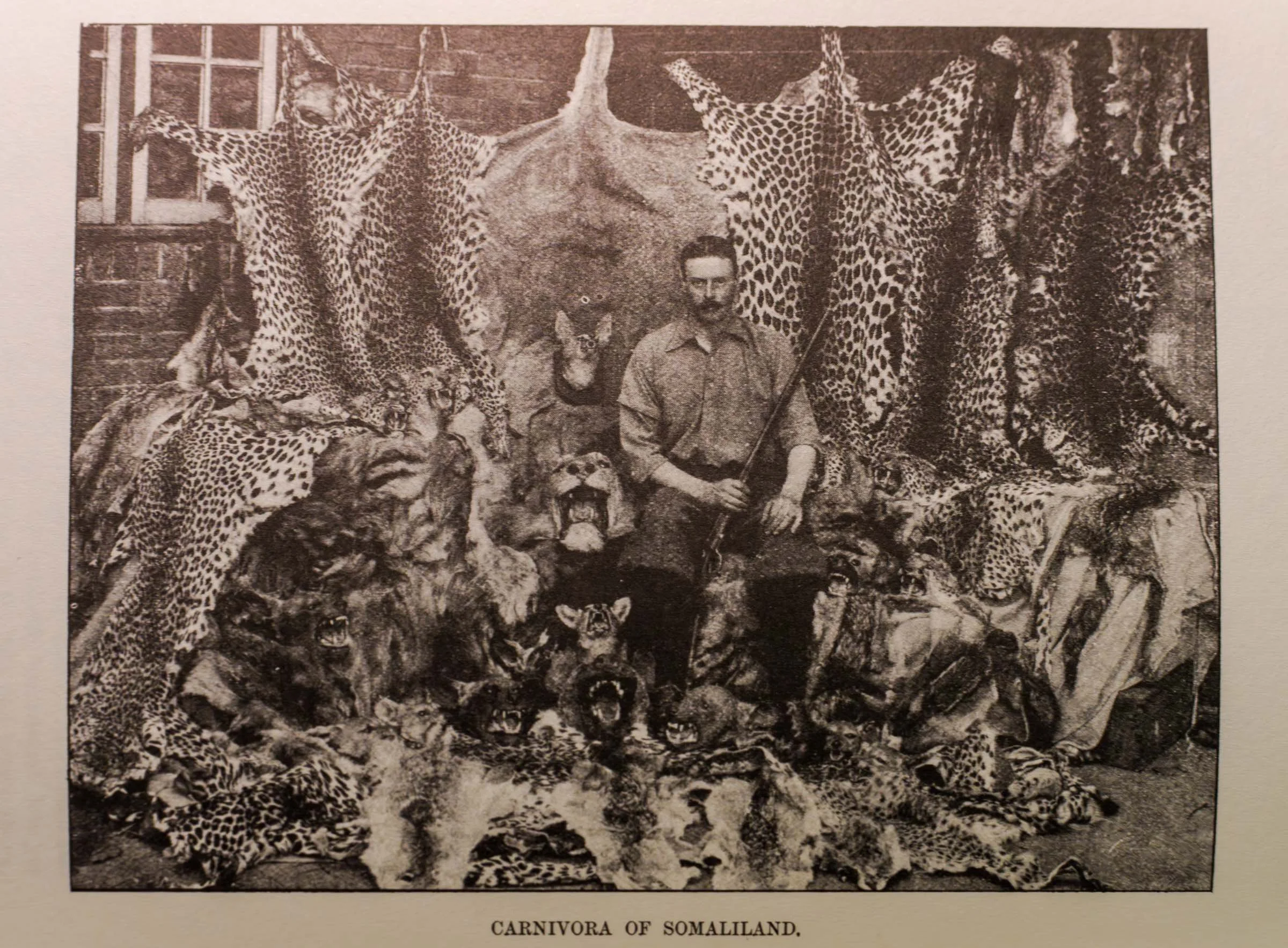
Returning some years later, I embarked on a search to uncover the stories surrounding this creature, long a powerful cultural symbol and feature of storytelling tradition. Tracing lions’ footsteps through villages named in their honour, I met people who had lived alongside these animals, in places where the landscape and ecosystems have undergone dramatic change.
Now dispersed across borders to neighbouring Ethiopia and Kenya, lions are still occasionally glimpsed on Somaliland soil. The more time passes, however, the more their presence wanes. Piecing together archive, oral histories and storytelling, The Lost Lions seeks to document a cultural and natural heritage that looks soon to be erased.
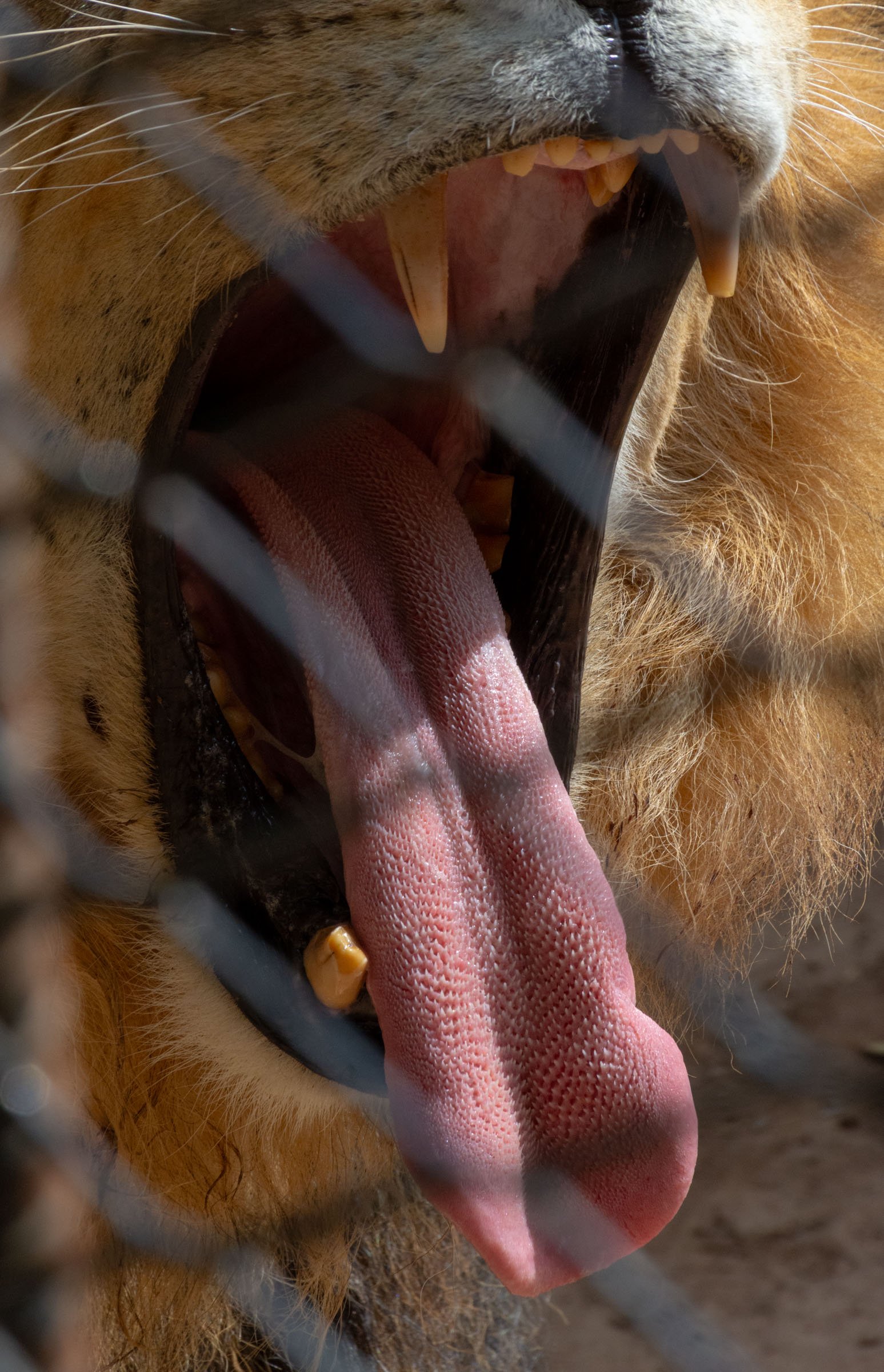
INA LIBAAX SANKA TAABKE
A BRAVE PERSON IS ONE WHO TOUCHES THE NOSE OF A LION
~ SOMALI PROVERB
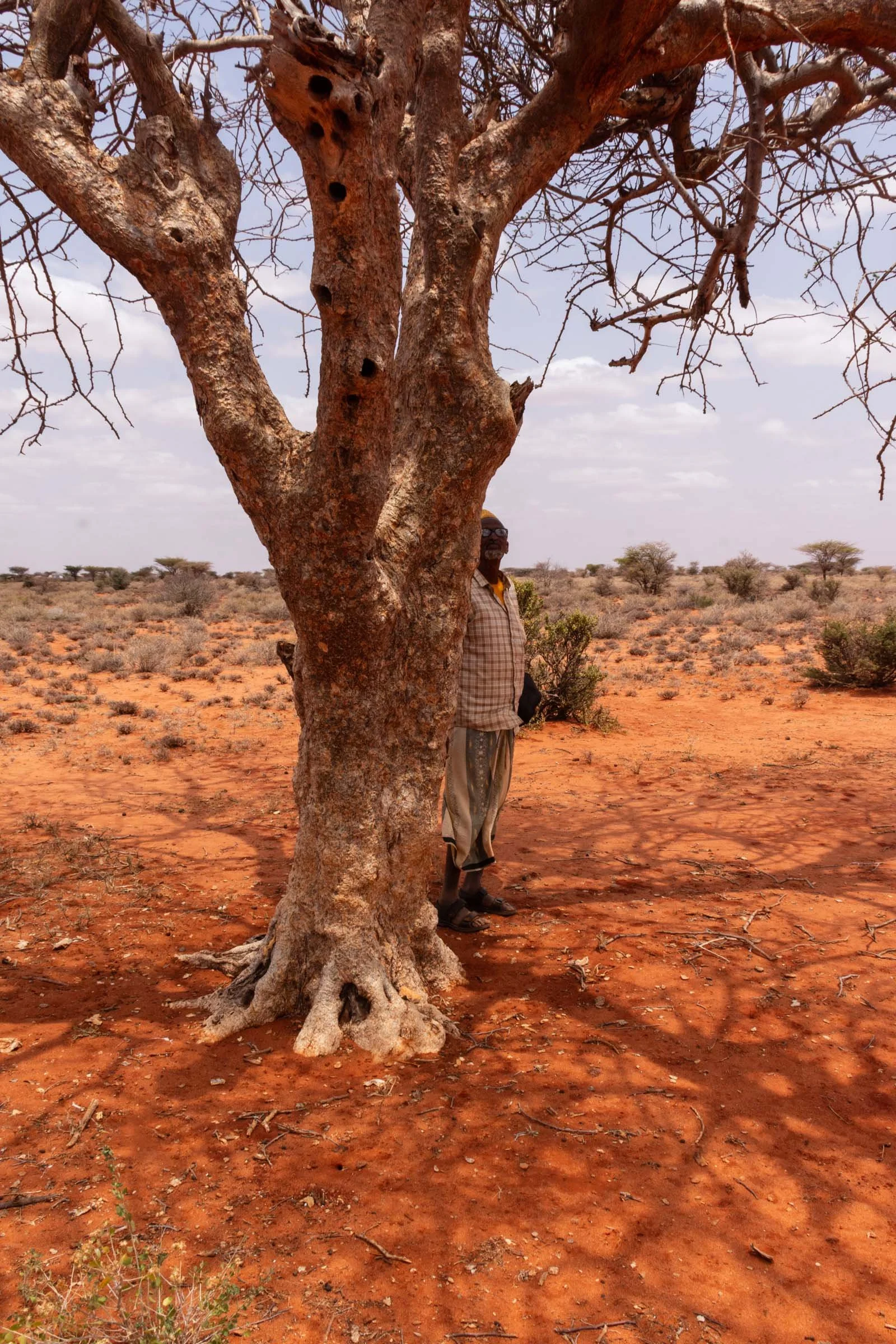
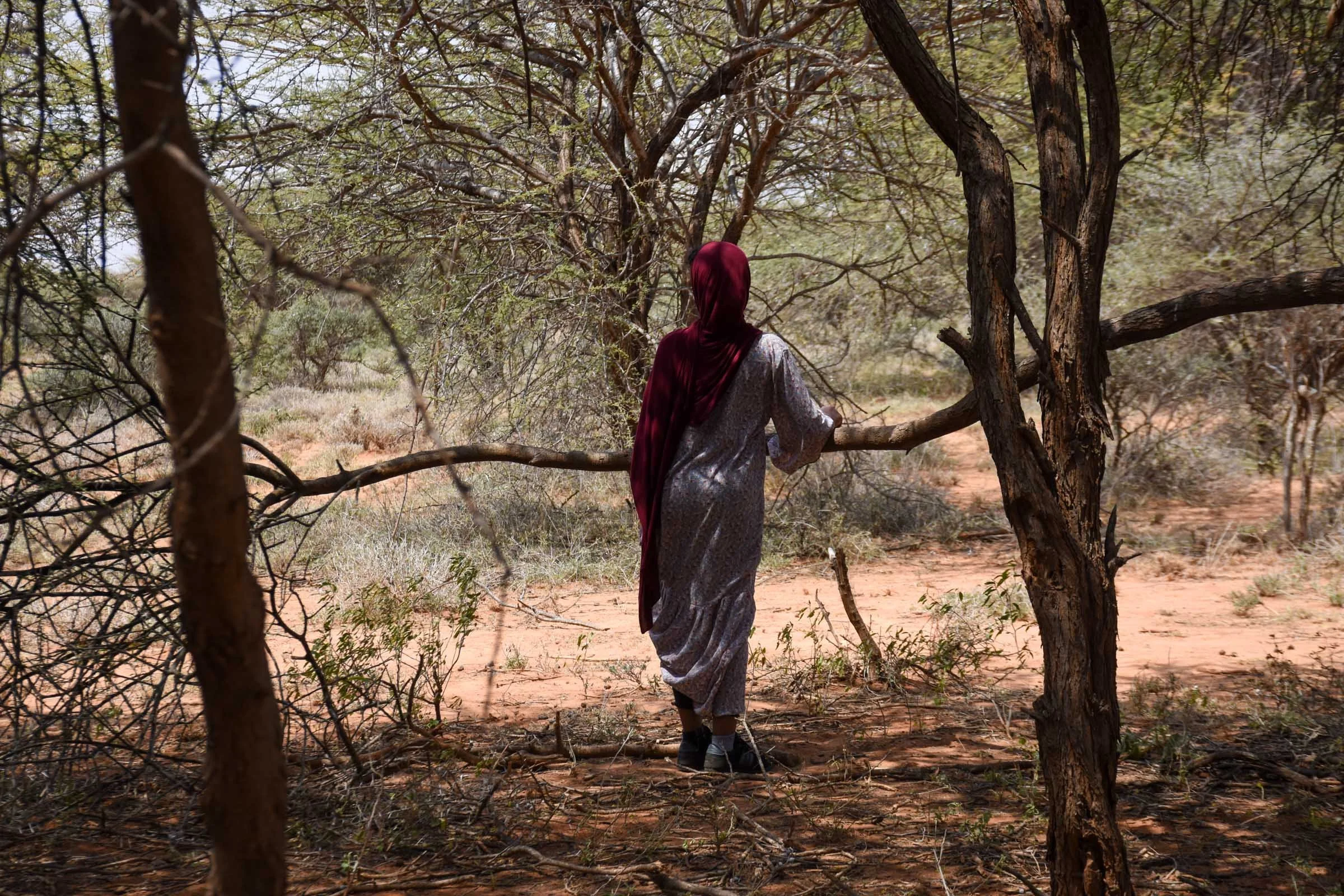
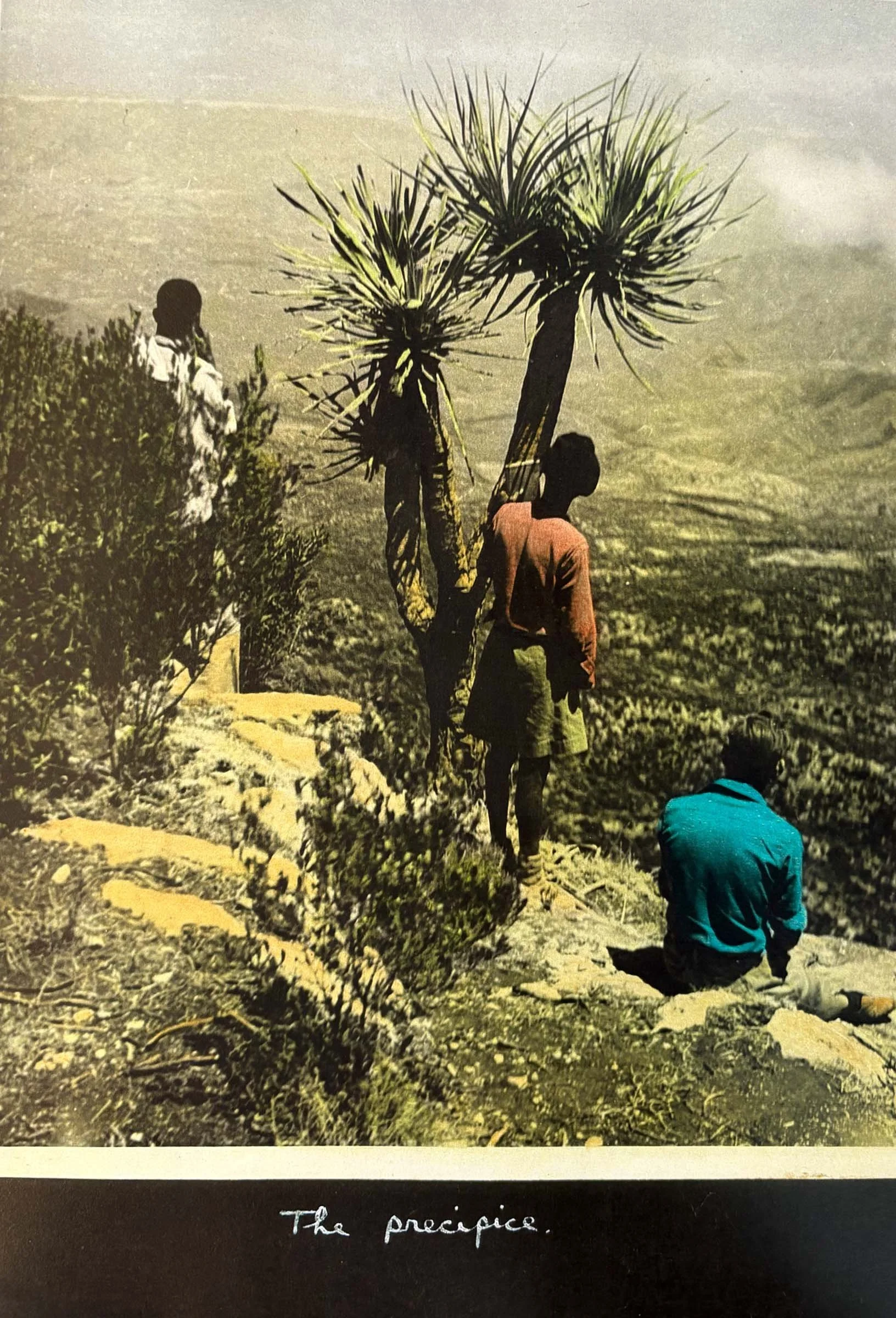
Where once there were trees, silvery tufts of shrub now dominate the flat expanse of terracotta earth. In a village named Libaaxle (‘Place of Lions’), this labi tree is one of few remaining from that bygone time. Its sturdy V-shaped trunk was a refuge for villagers, who ascended the marbled bark into its heights to escape from the lions that prowled below. Remembering those days, Ahmed reaches gently into the tree’s lower branches, picking a scattering of tiny, delicate green leaves. “We didn’t send anything away, it was a natural disaster”, he sighs.
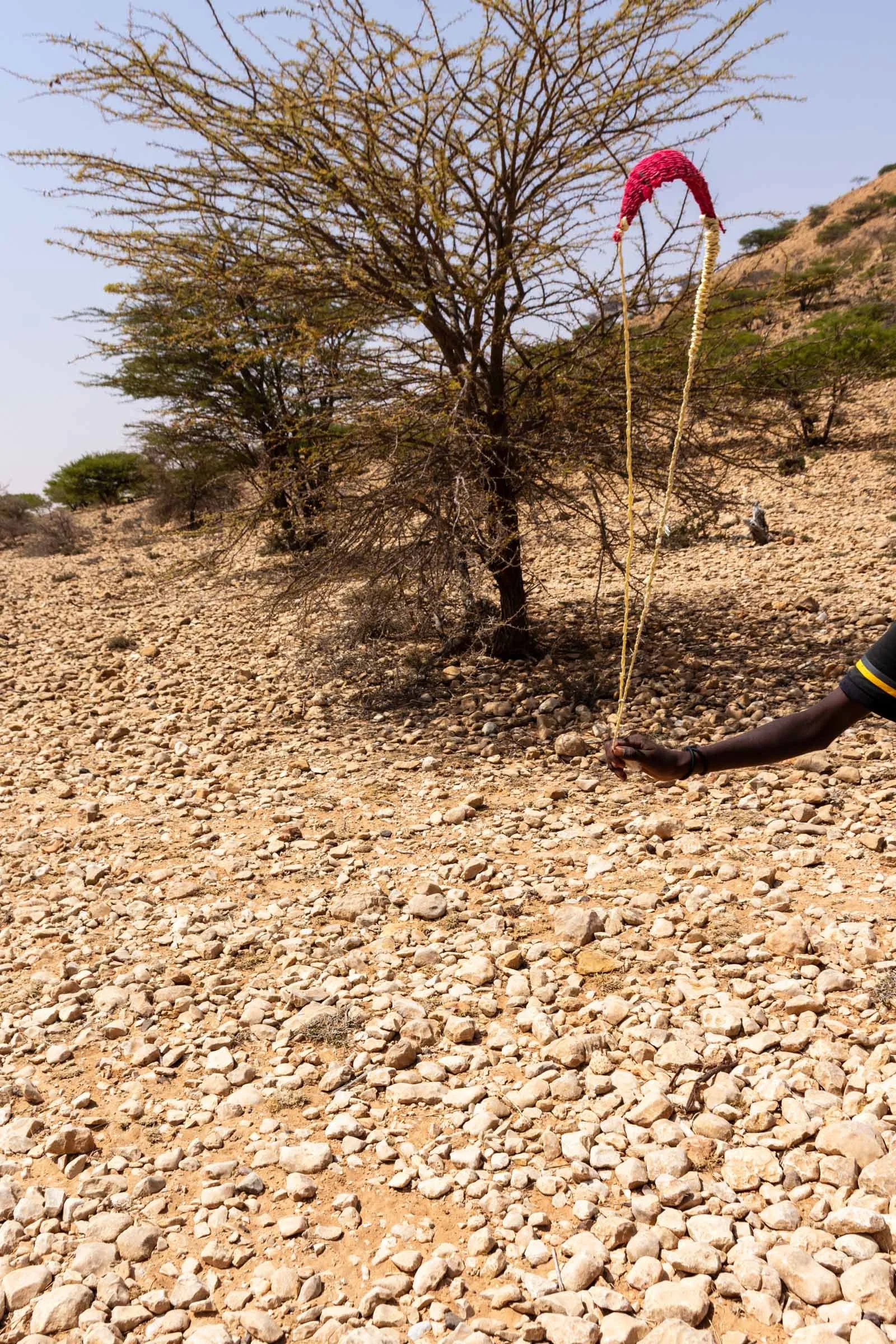
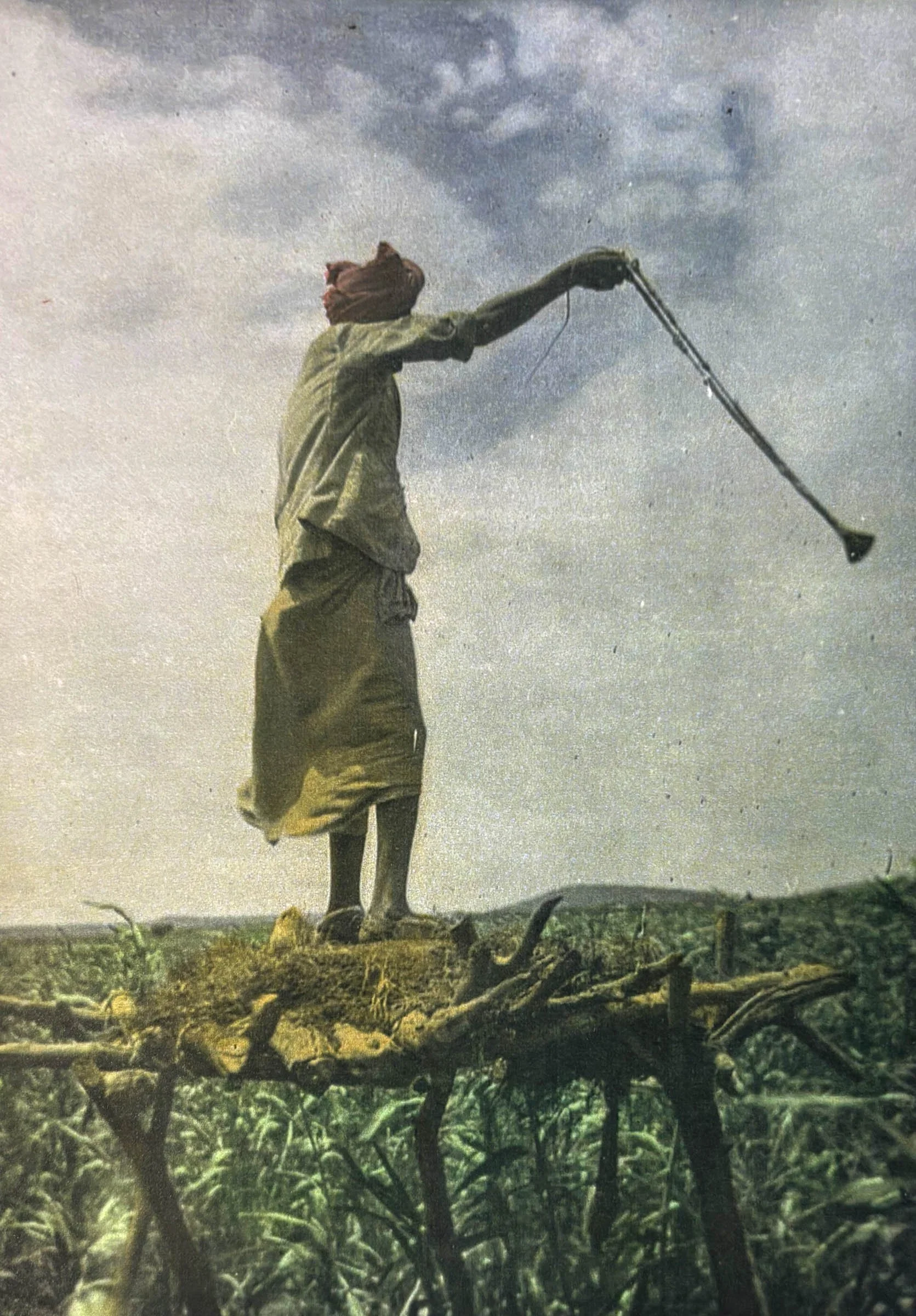
“After people got guns it was easier to kill lions. The weapons were the main reason for lions to leave”
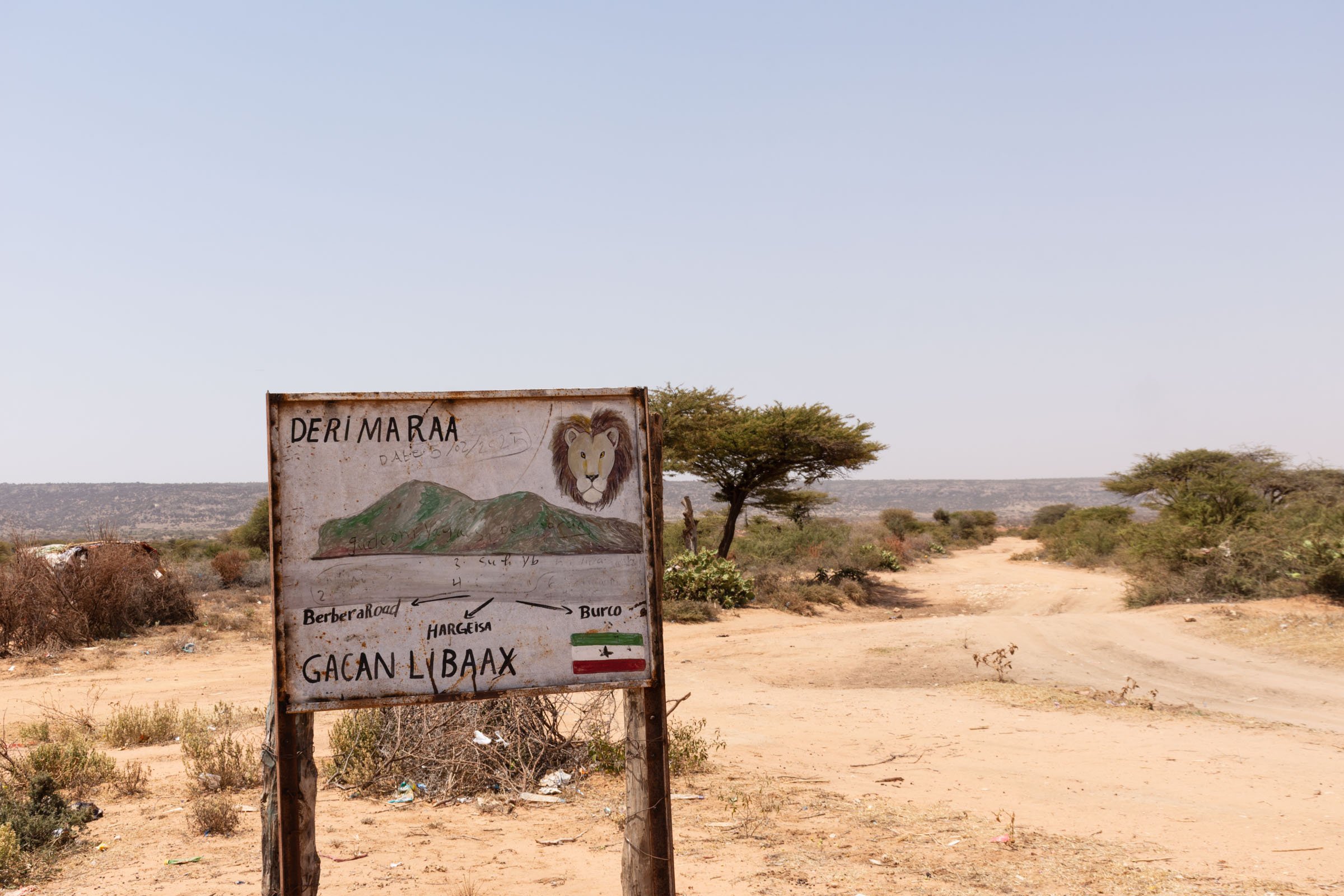
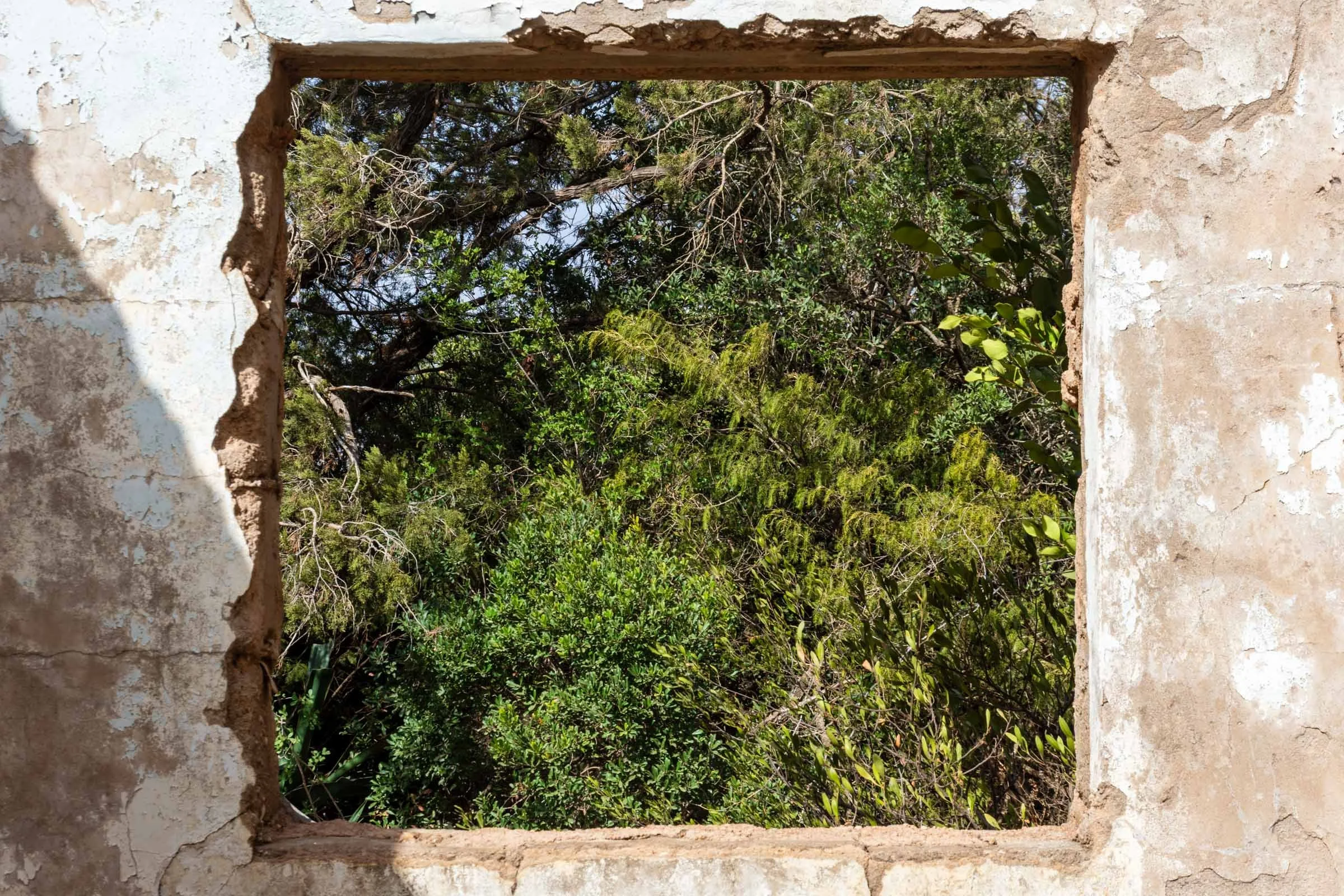
Flooded with light, a window frames a view onto foliage from the ruins of an old, British-built rest house perched high on the top of a limestone ridge. Through the empty frame, a verdant green canvas is illuminated, appearing as though an artist’s exercise in colour gradation. Set in a forest reserve named Gacan Libaax - Lion’s Paw - these hillsides are known for their biodiversity, unique vegetation and wildlife, some of which is endemic. On the surrounding slopes, spiky succulents of up to five metres in height reach up into the sky like giants, while mottled aloes cling to rocks that conceal the network of cavernous caves below. As the years pass, some of the species here have come to face existential threat.
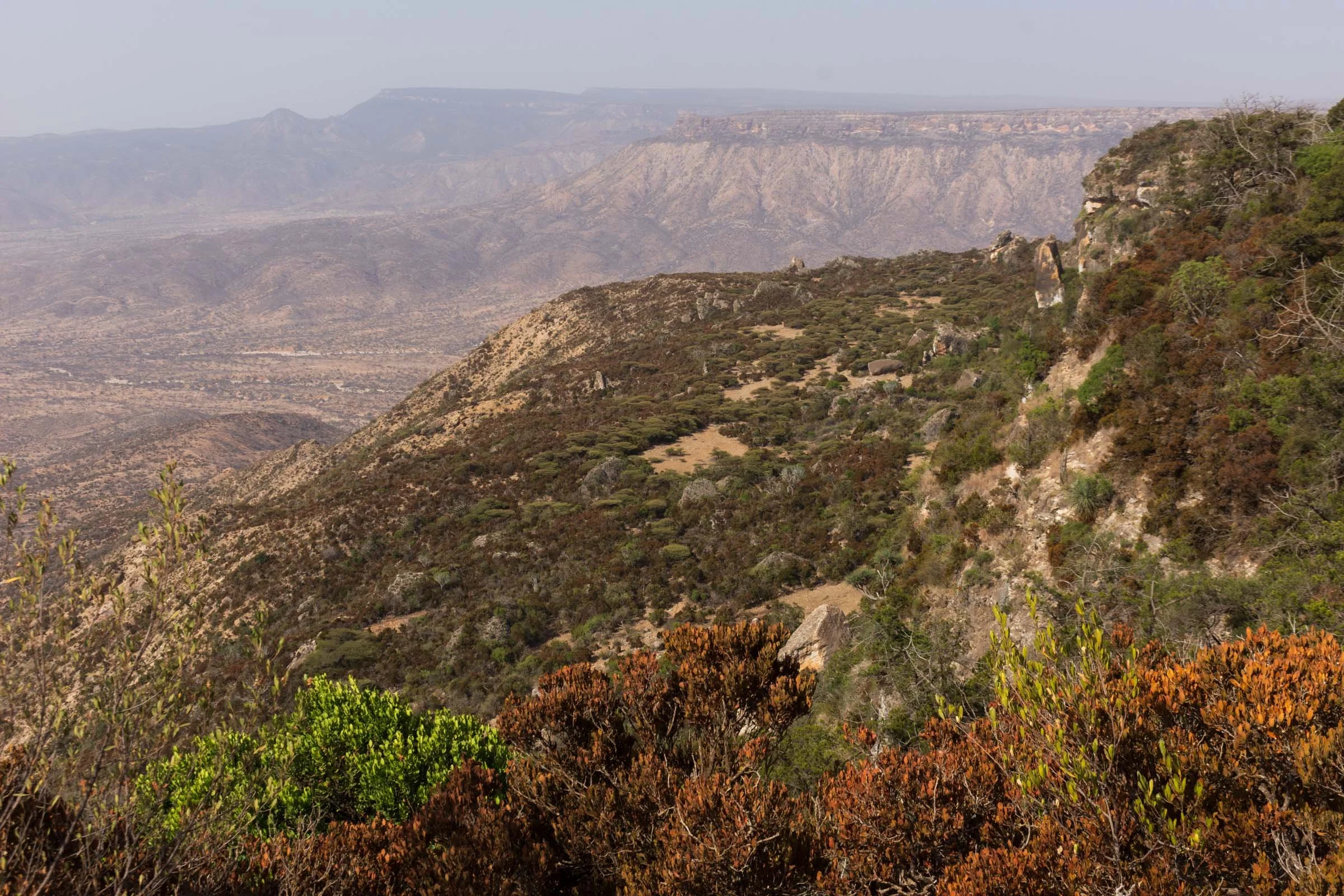
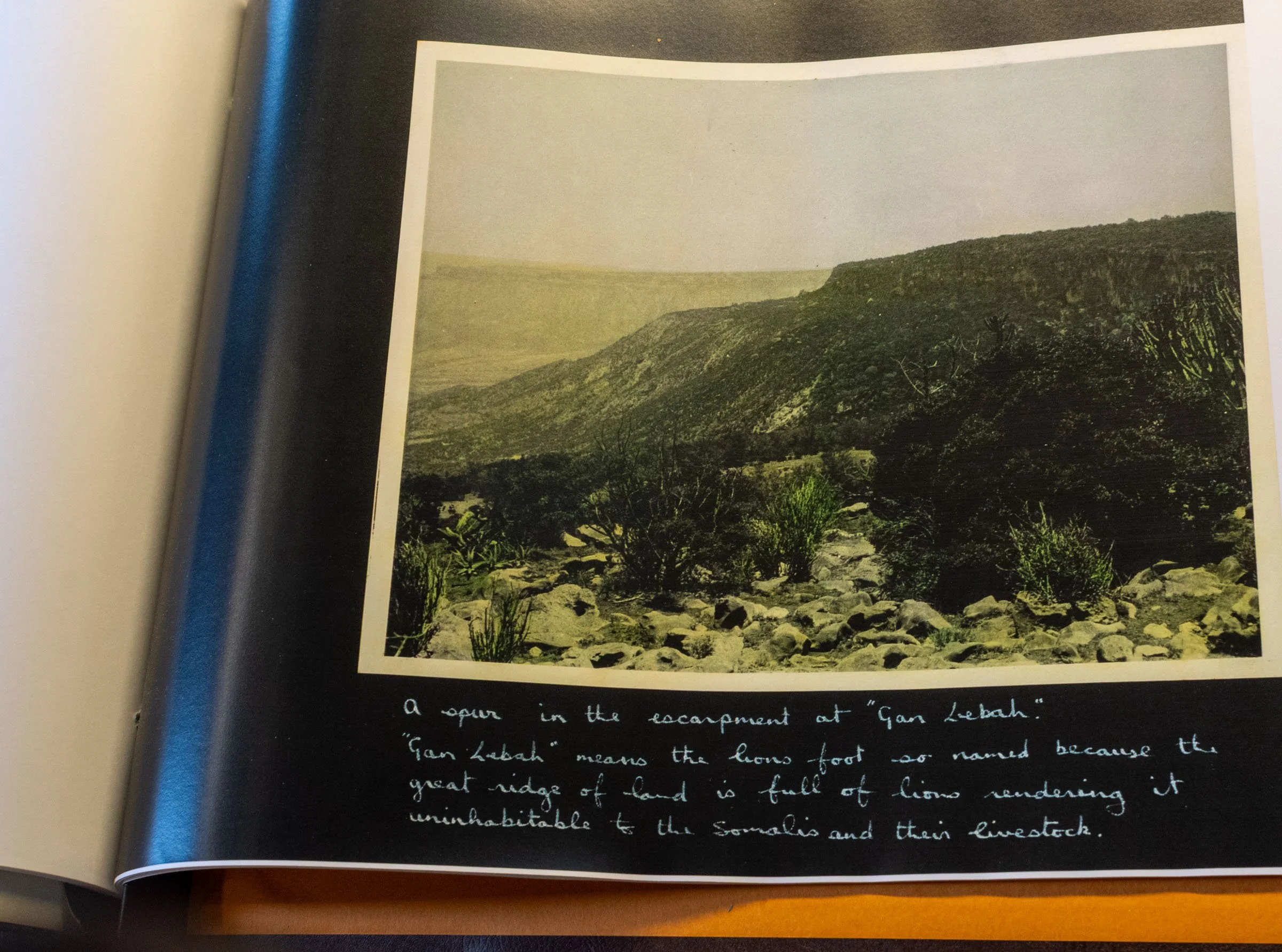
Ahmed sits quietly, contemplating the panorama he knows intimately. From the top of the escarpment, peaks roll over the landscape like crested waves, surging above stencils of dry riverbeds tracing their way across the plains. The dramatic vista sweeps out across a multitude of directions - to Burco, Oodweyne, Sheikh, Berbera and beyond. It’s how the mountain came to be called Lion’s Paw, he explains; the lion a nod to the animals whose roars echoed in these forests and hills, the paw to the way in which the different viewpoints visible from here fan out like the creature’s toes.
A precipitous and rocky road built by the British winds its way sharply up the mountainside, offering heart-lurching views over the scree immediately below. Up here, only the screaming wind, the crackling of branches, the eerie whispers and cries, and a canvas of stars provide consistent company for the handful of people who have made this remote place home. As morning breaks, a kudu’s freshly dug footsteps twine through the forest. Day-time visitors to the reserve come and then go.
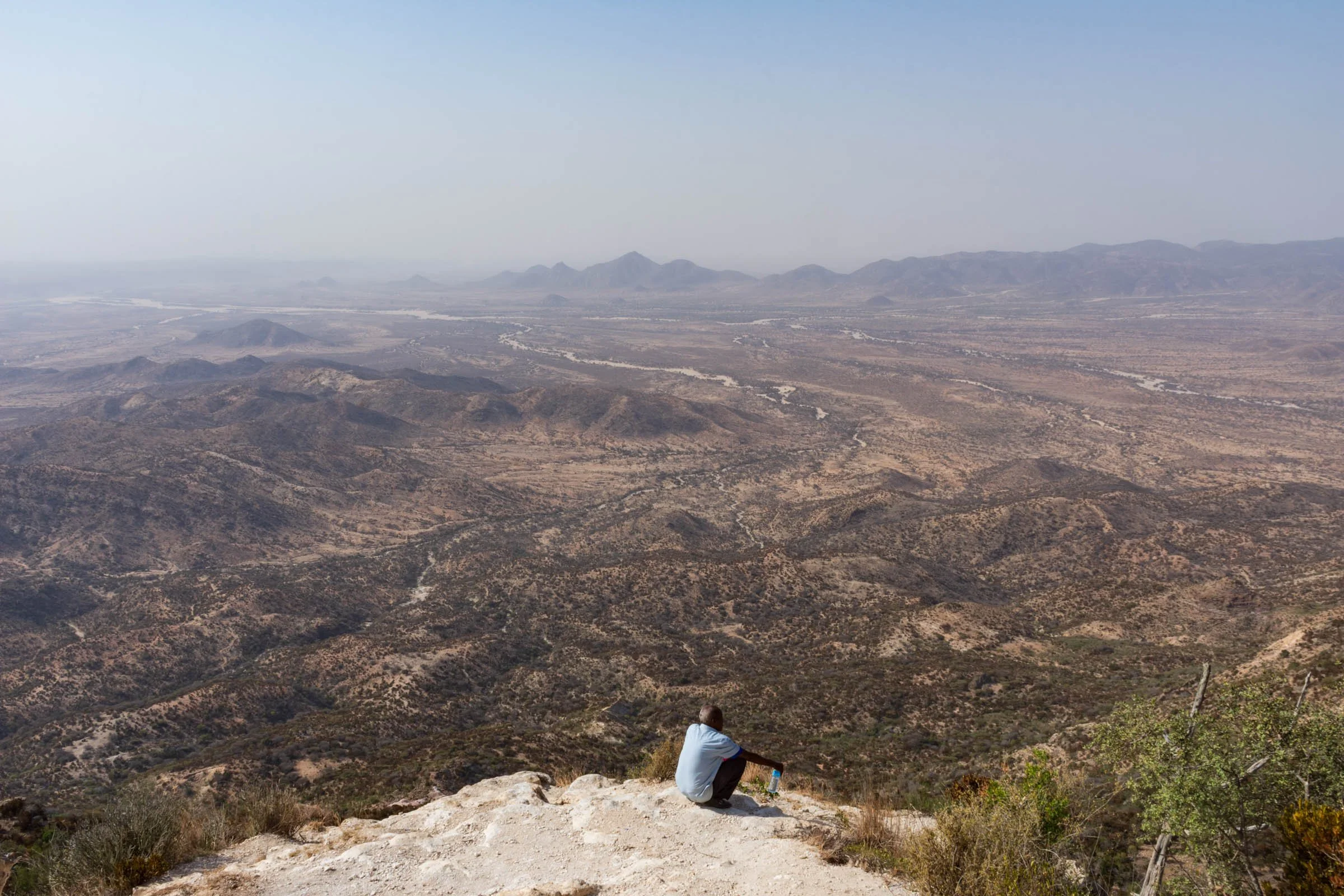
“People were afraid to settle here because of the lions”
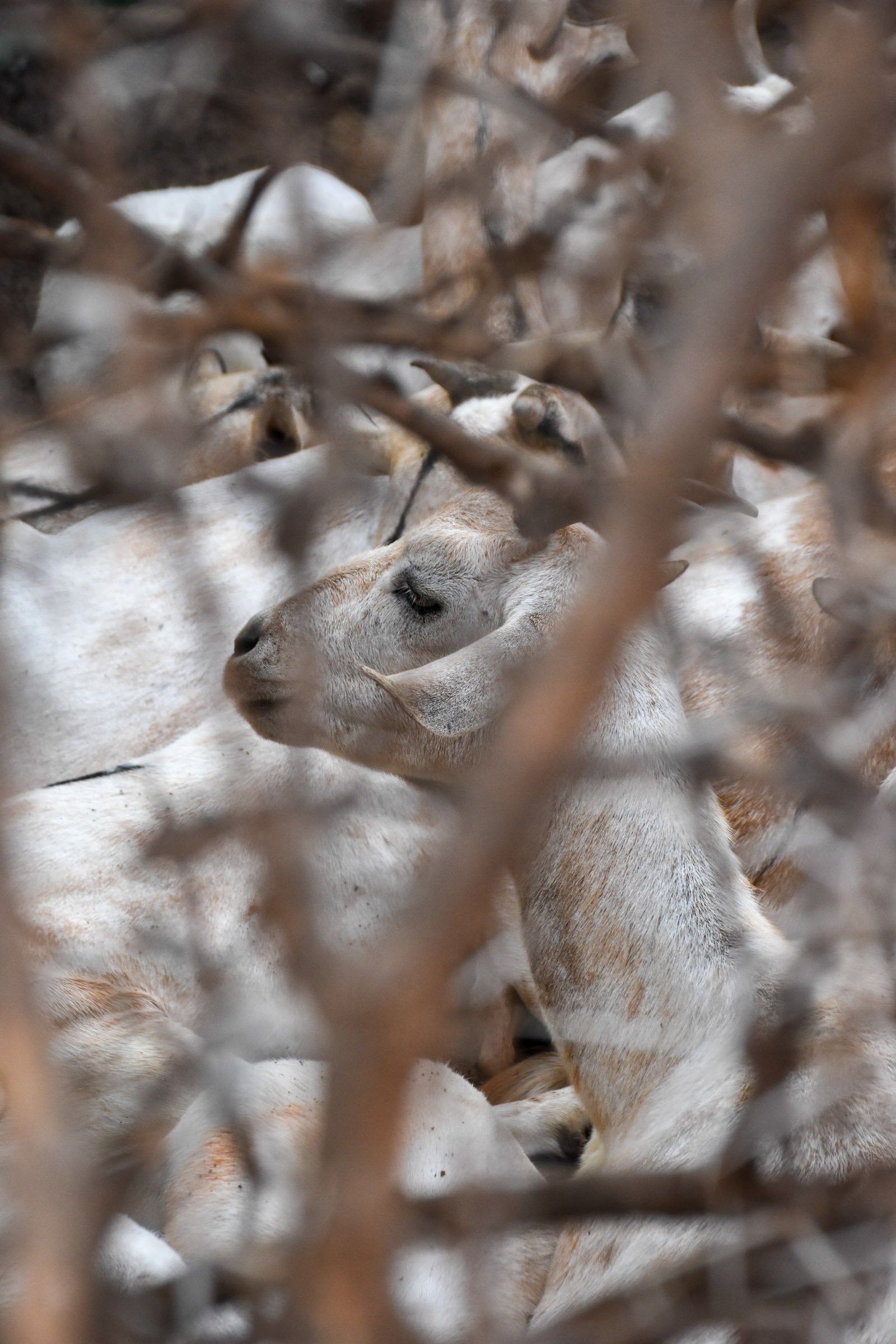
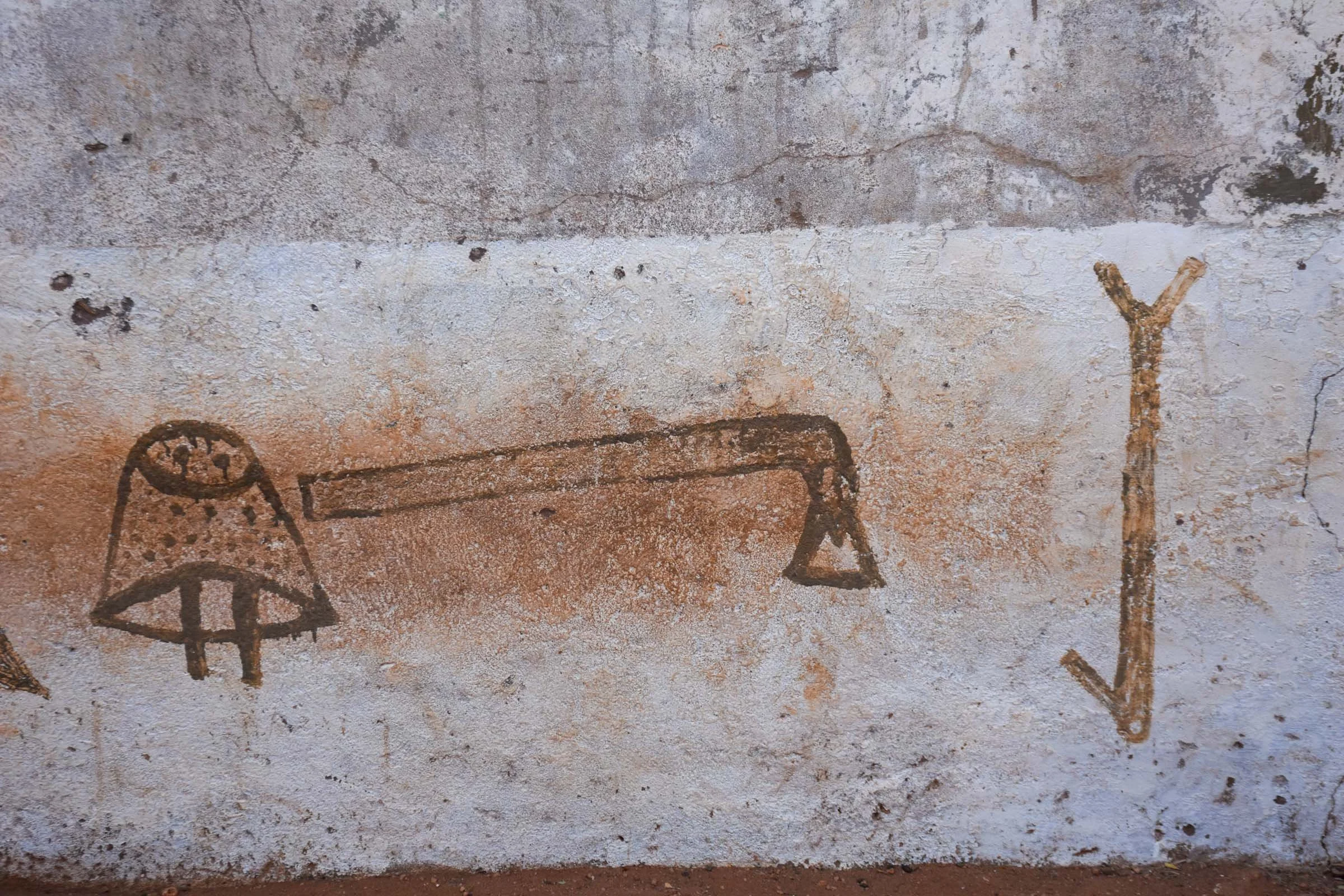
“We see lions often, they come here, they look for qurjeen”
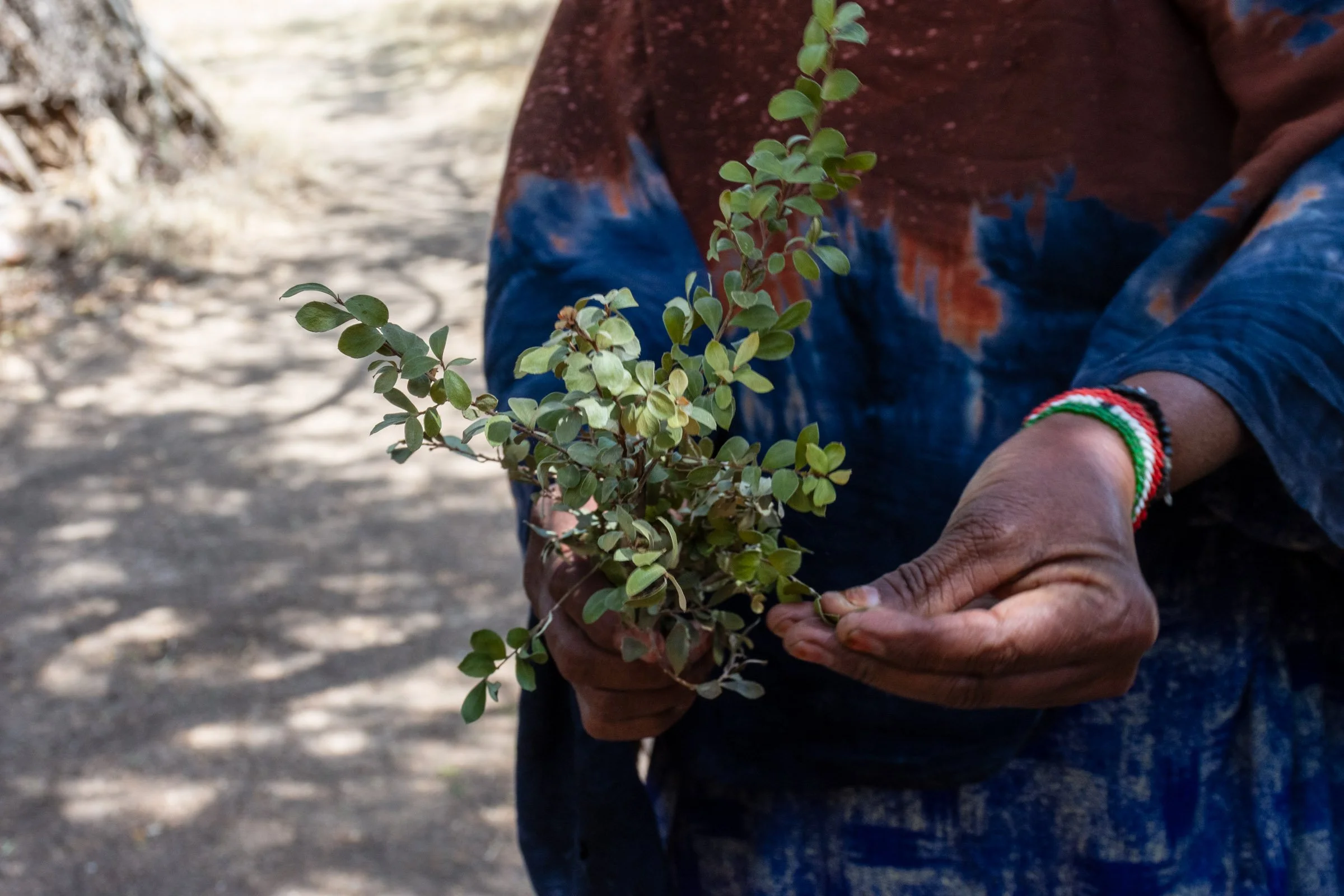
“Lions eat qurjeen like goats eats grass”
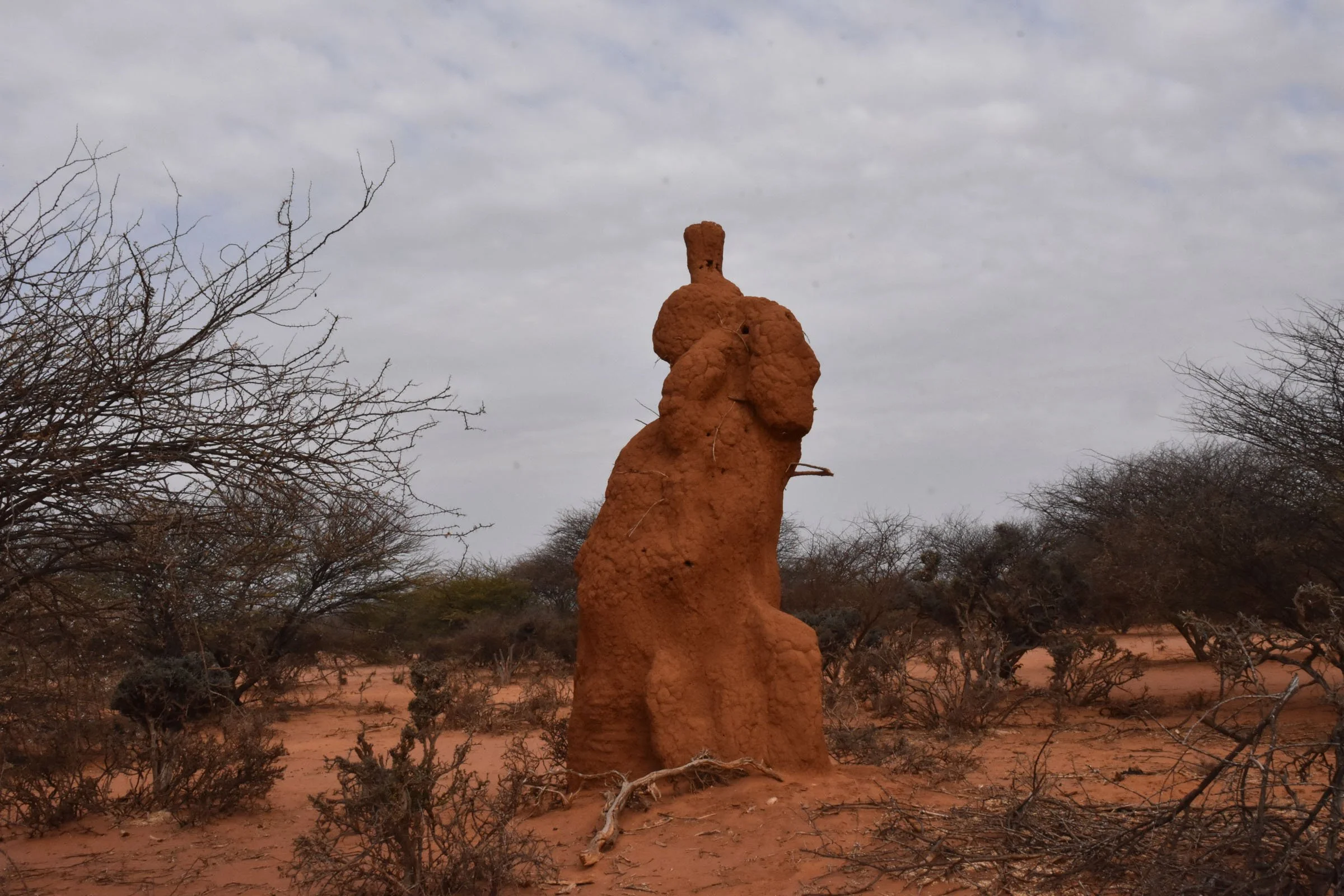
LIBAAX NIMAAN AQOONBAA LAXKA RITA
ONLY THE PERSON WHO DOESN’T KNOW A LION THINKS THE LION IS A SHEEP
~ SOMALI PROVERB
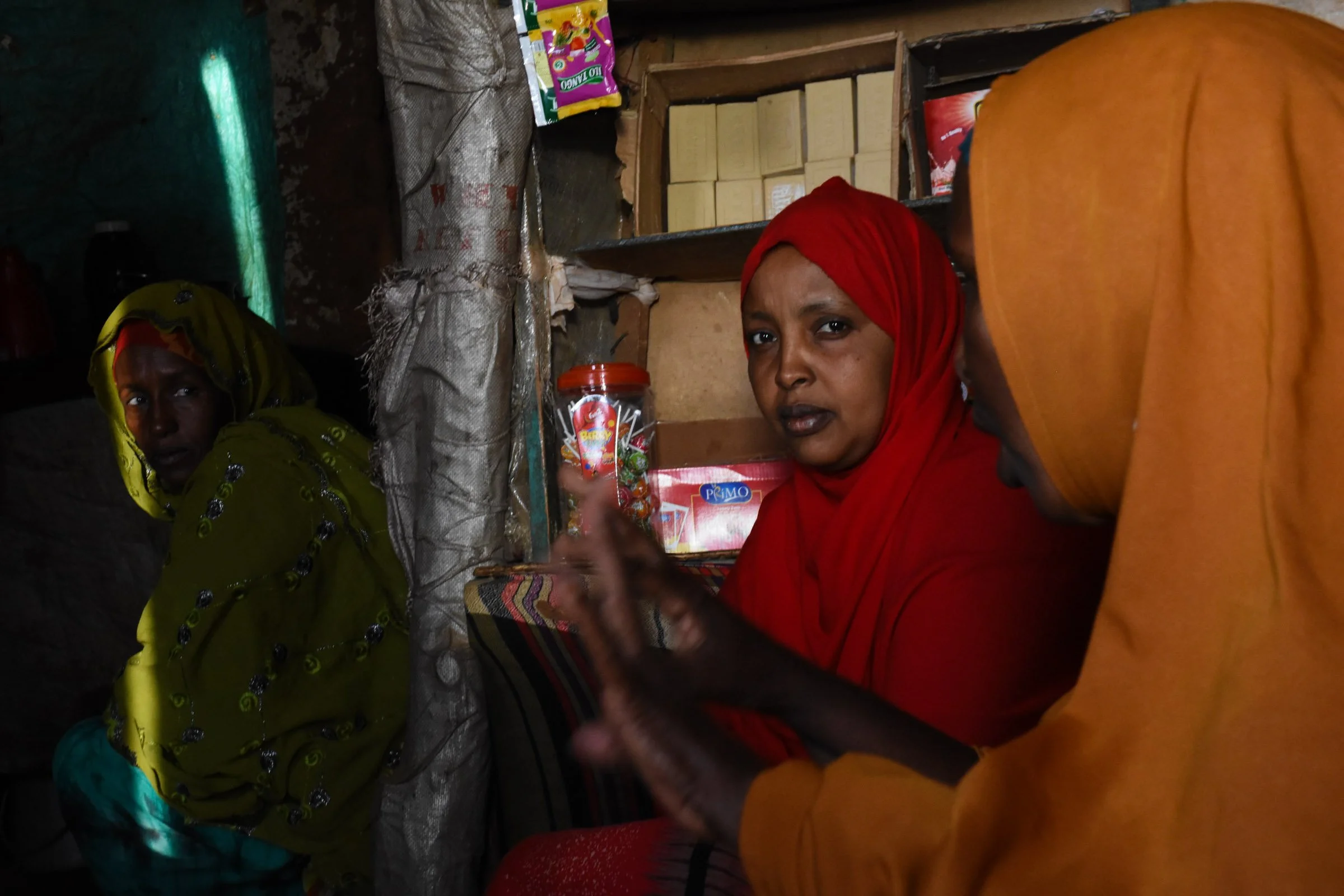
Dressed in red, Nimco sits in the teashop where she now sells sweets, dried goods and camel milk tea to villagers and travellers passing through Ismail Diriye. “I had a normal, village life,” she says, describing her childhood spent growing up in a small, rural encampment nearby, tending to the family’s herd of livestock and camels.
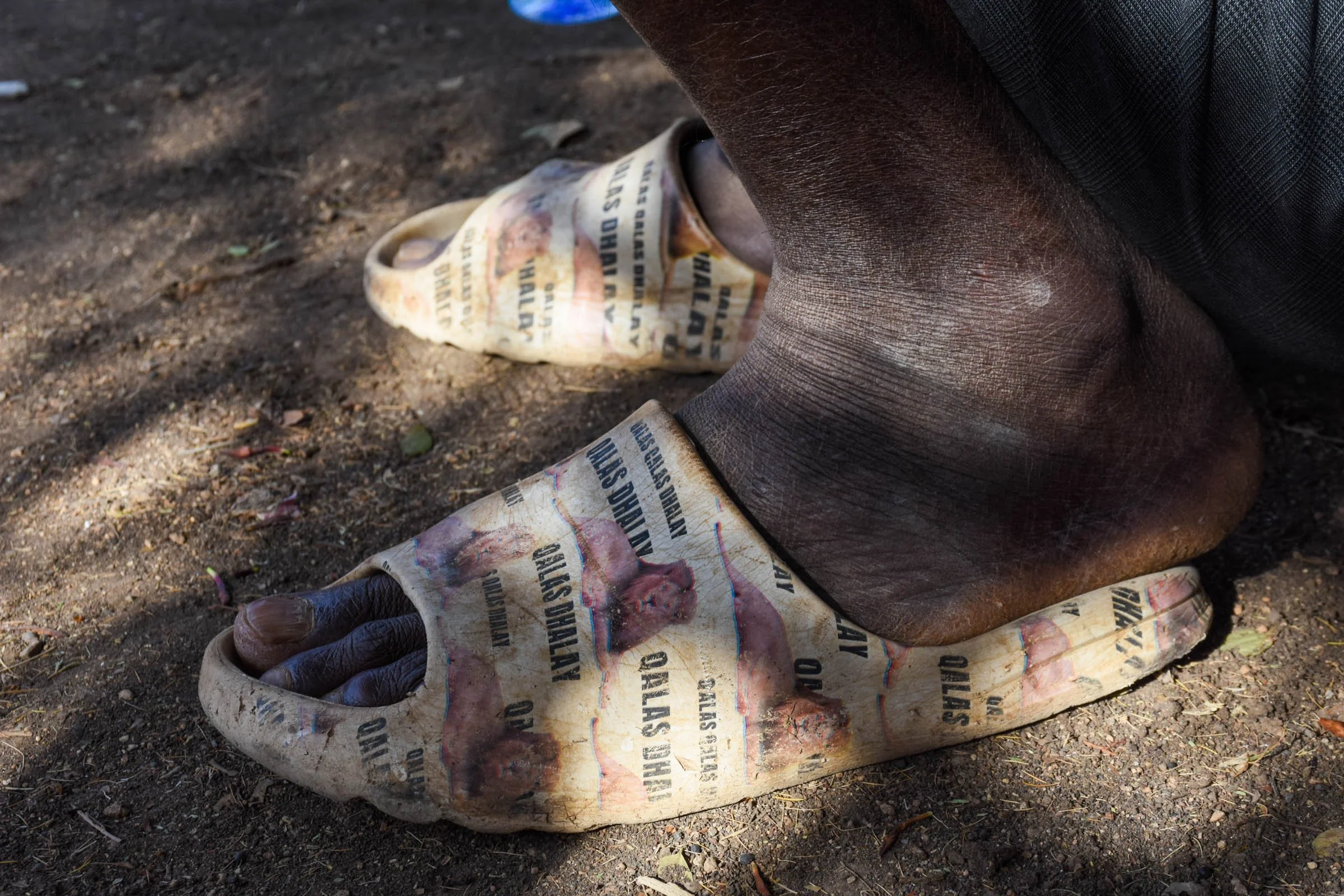
One day in 2005, aged 14, Nimco was surprised by a lion while out with the herd. She remembers trying to run, and being knocked down, bitten and struck several times over. Covered in deep gashes and wounds, she fell unconscious. When she came to, the lion had gone. Stumbling home, her shoes caked to feet sticky with blood, she was taken for hospital treatment in the capital. Beneath the folds of her vivid red scarf, faded lines and raised marks lace down her upper body and arms. “Physically the wounds are healed but I’m fearful of dark places without people. I don’t like to be alone or to go out alone. My memory flashes. I remember what happened; the pain; the fear. It’s in the past so I shouldn’t worry or think about it, you should let it go. If your time is over no-one can stop it.”
Six months pregnant when the attack occurred, Nimco’s child also survived. The name chosen for the boy was Aar, the Somali for male lion.
“I was so thankful - I had a second chance at life. I survived”
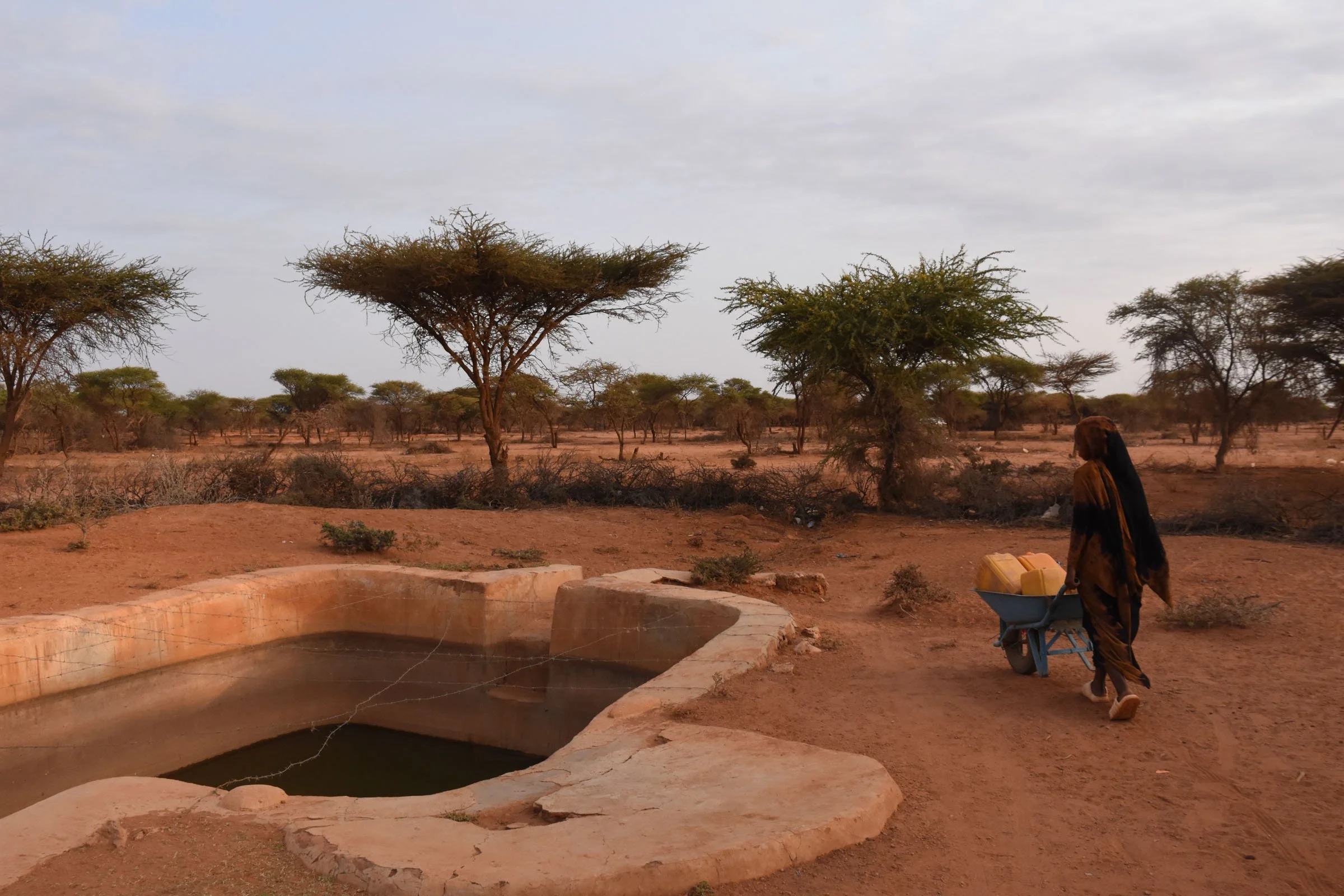
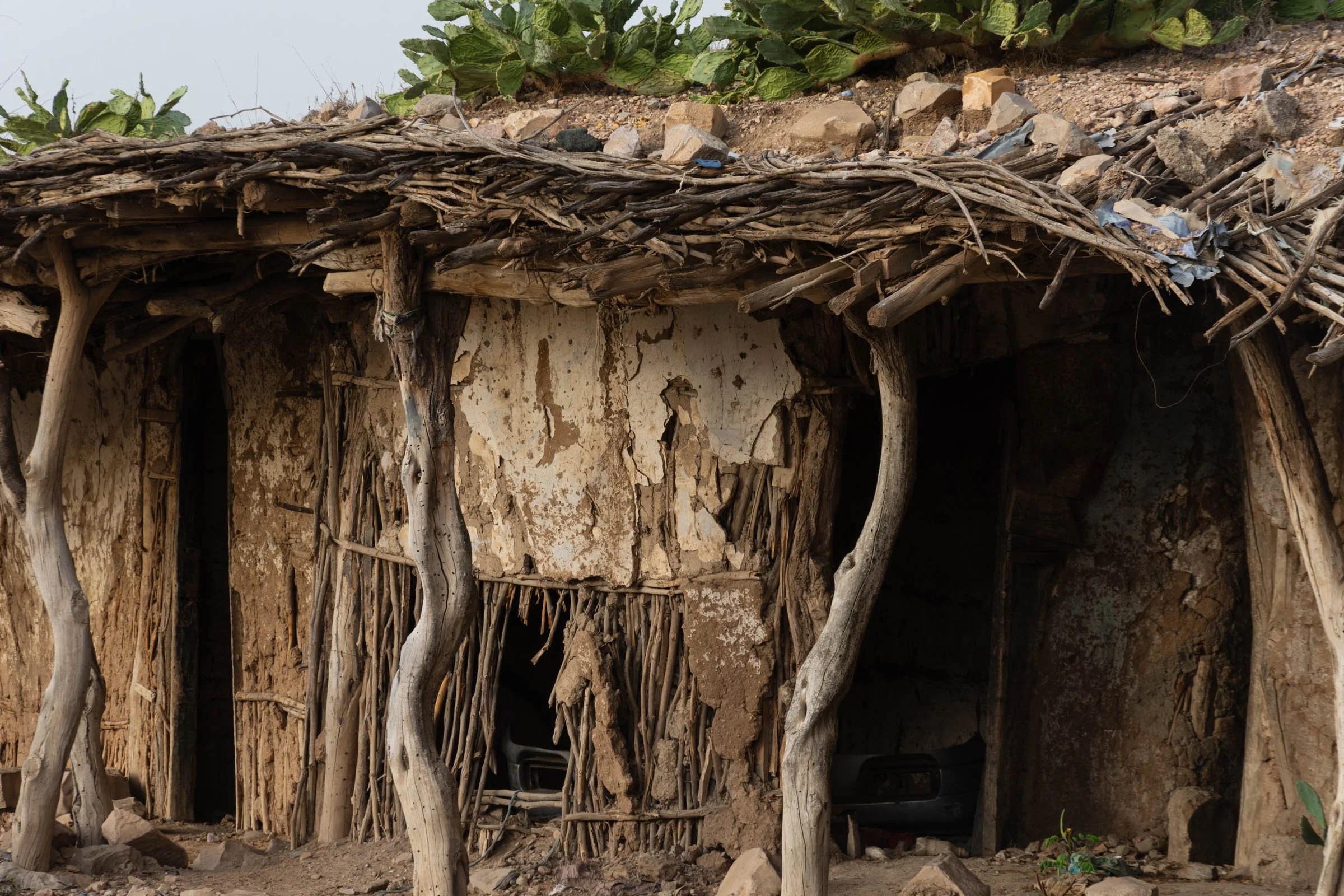
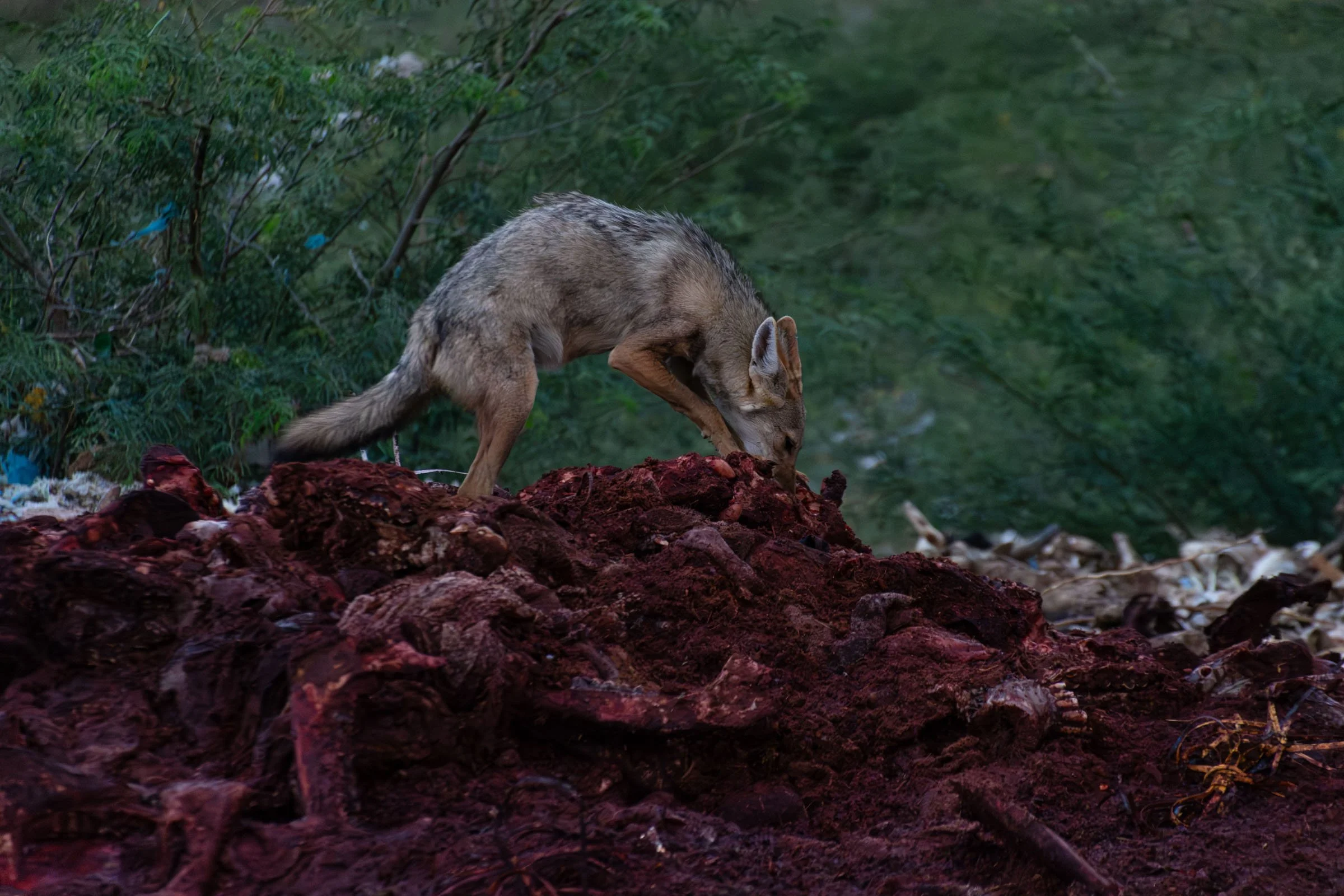
“The hyenas and jackals are getting more and more while the lions have gone down”
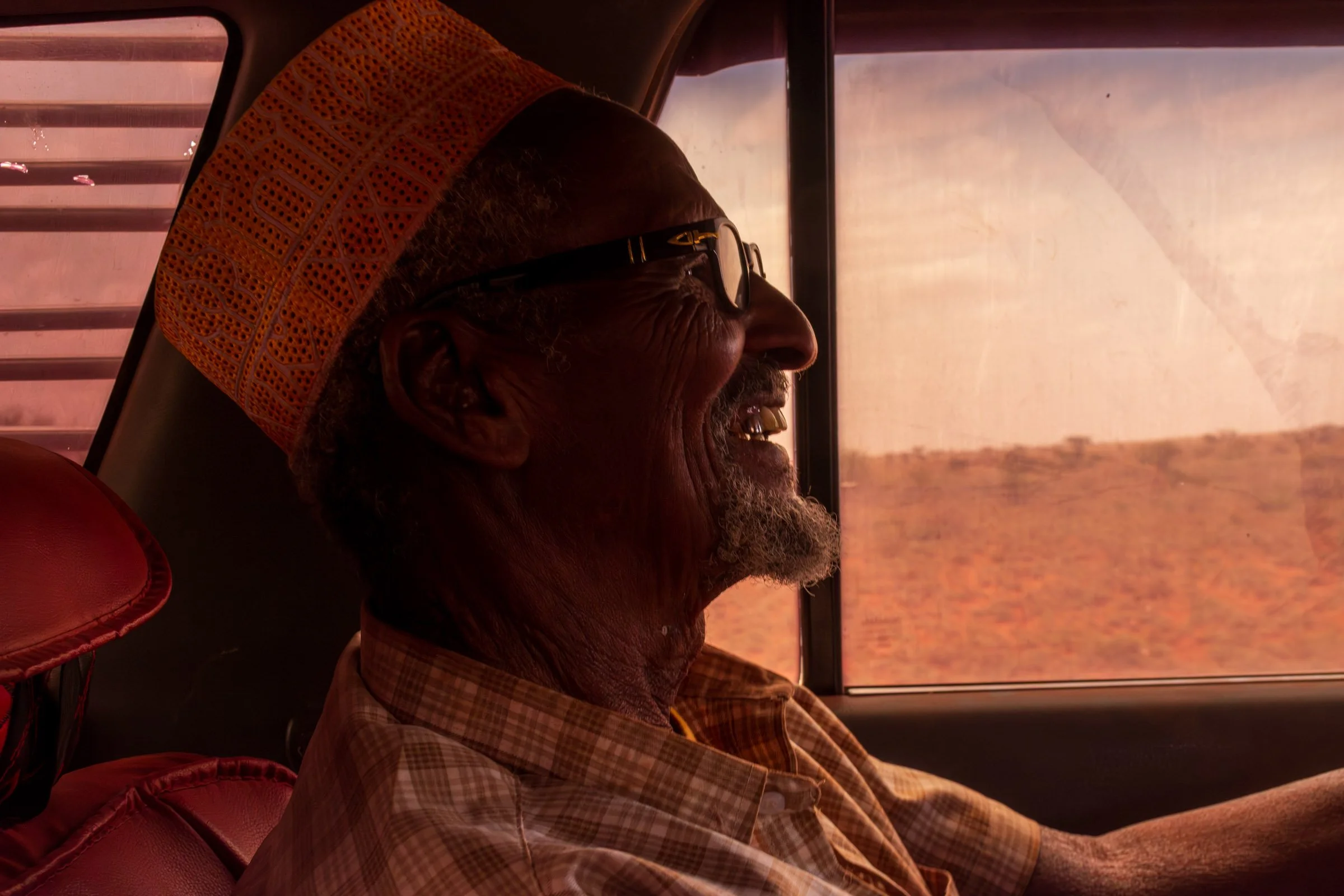
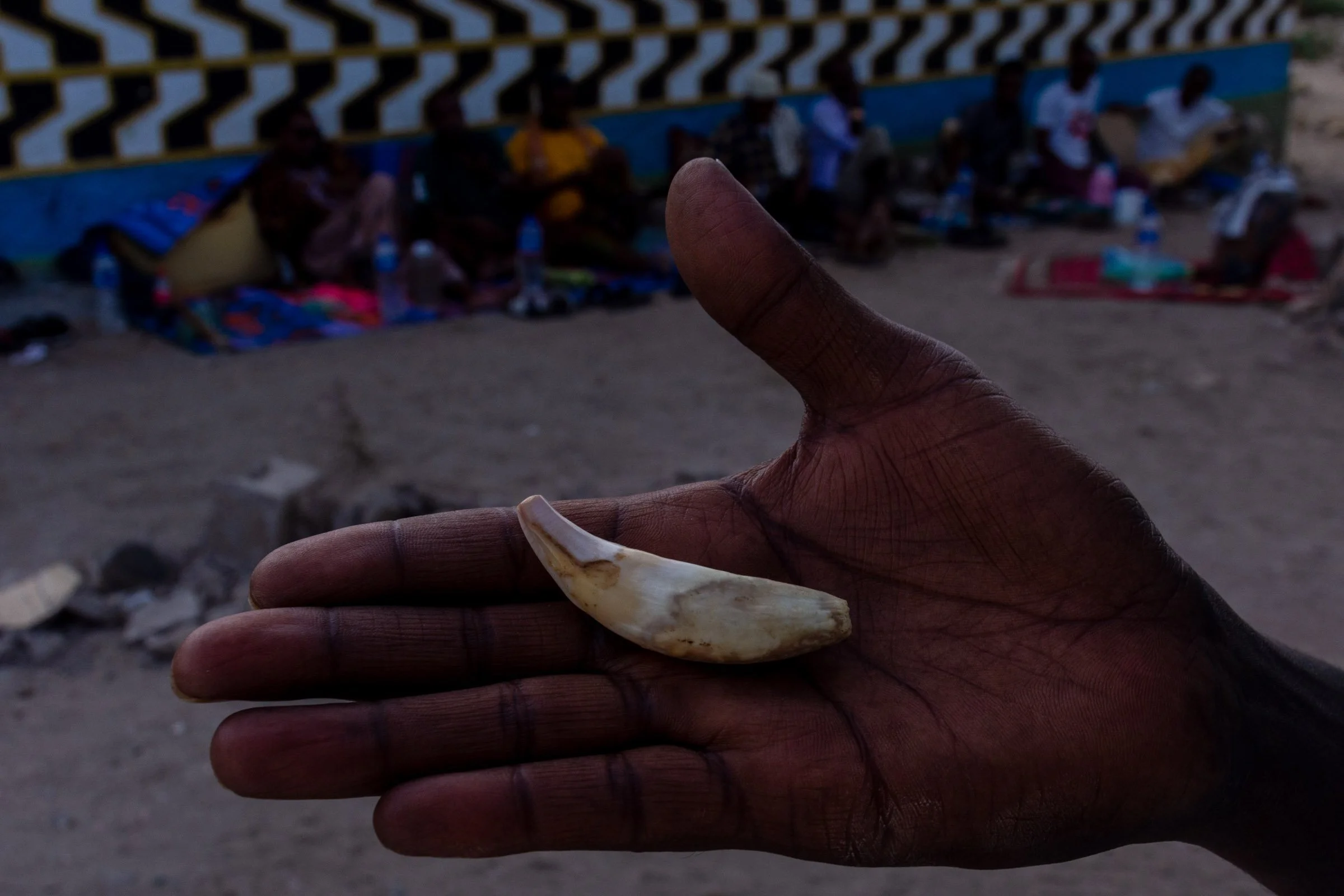
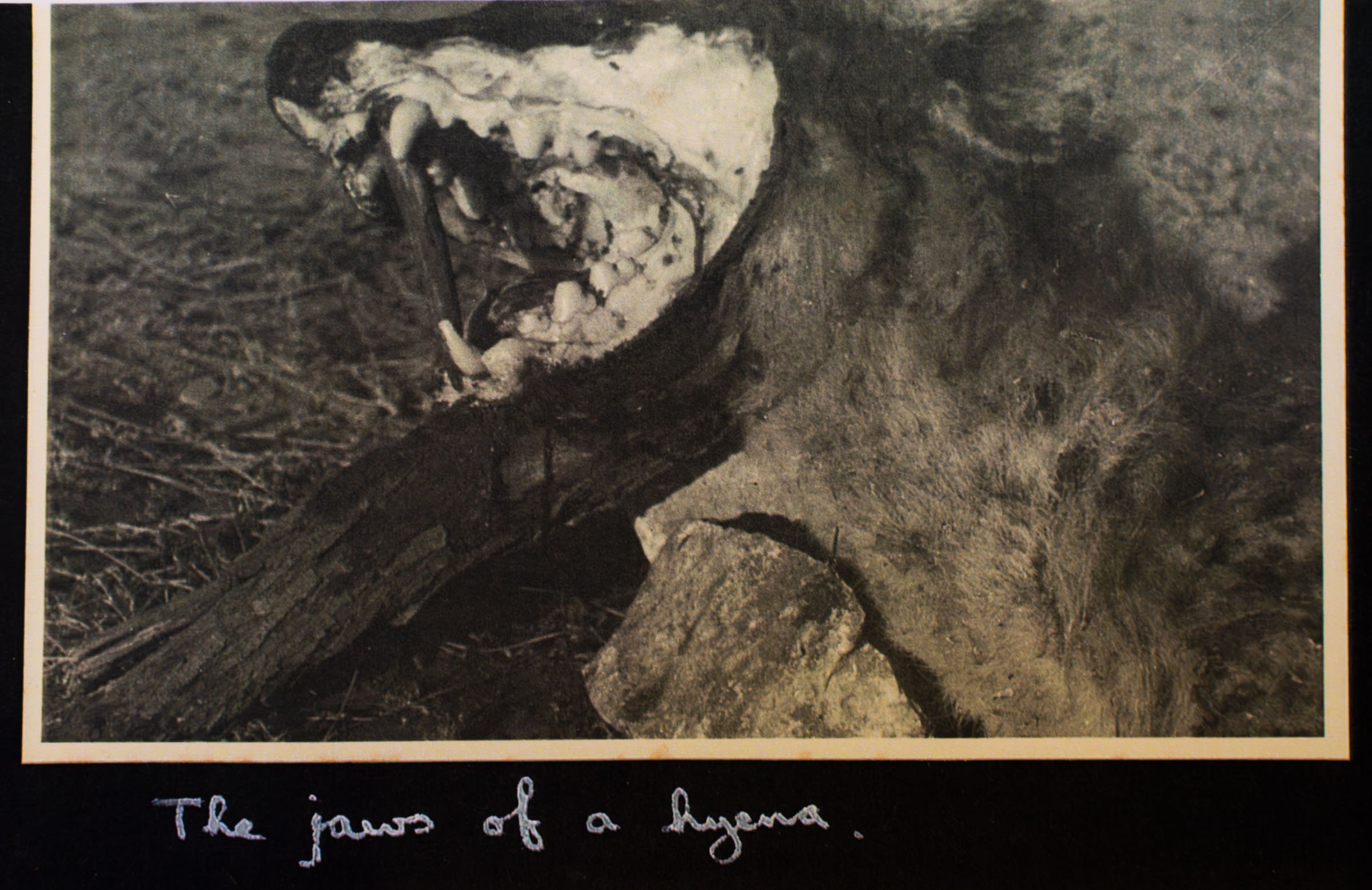
“If people stopped cutting down trees maybe the lion would come back”
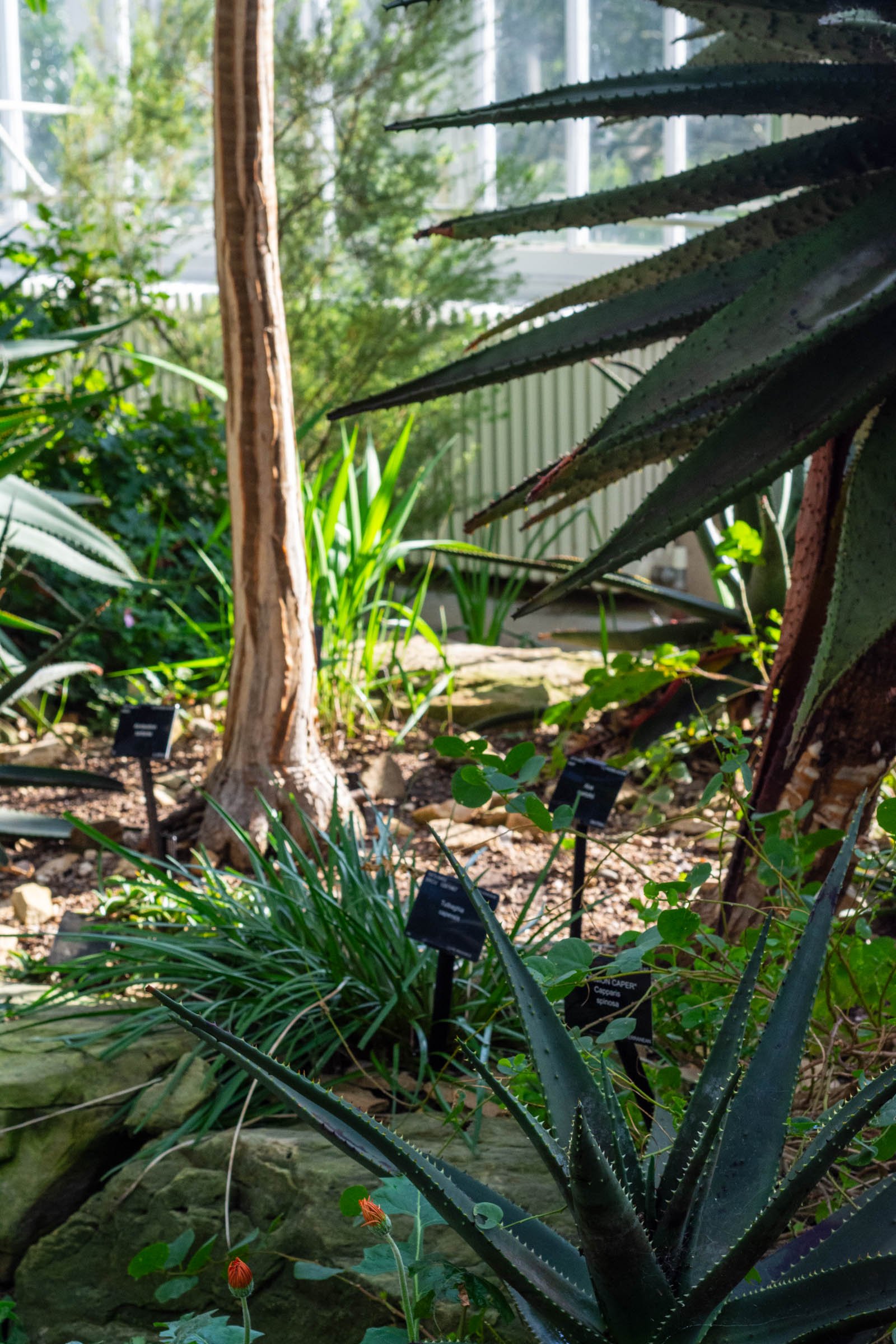
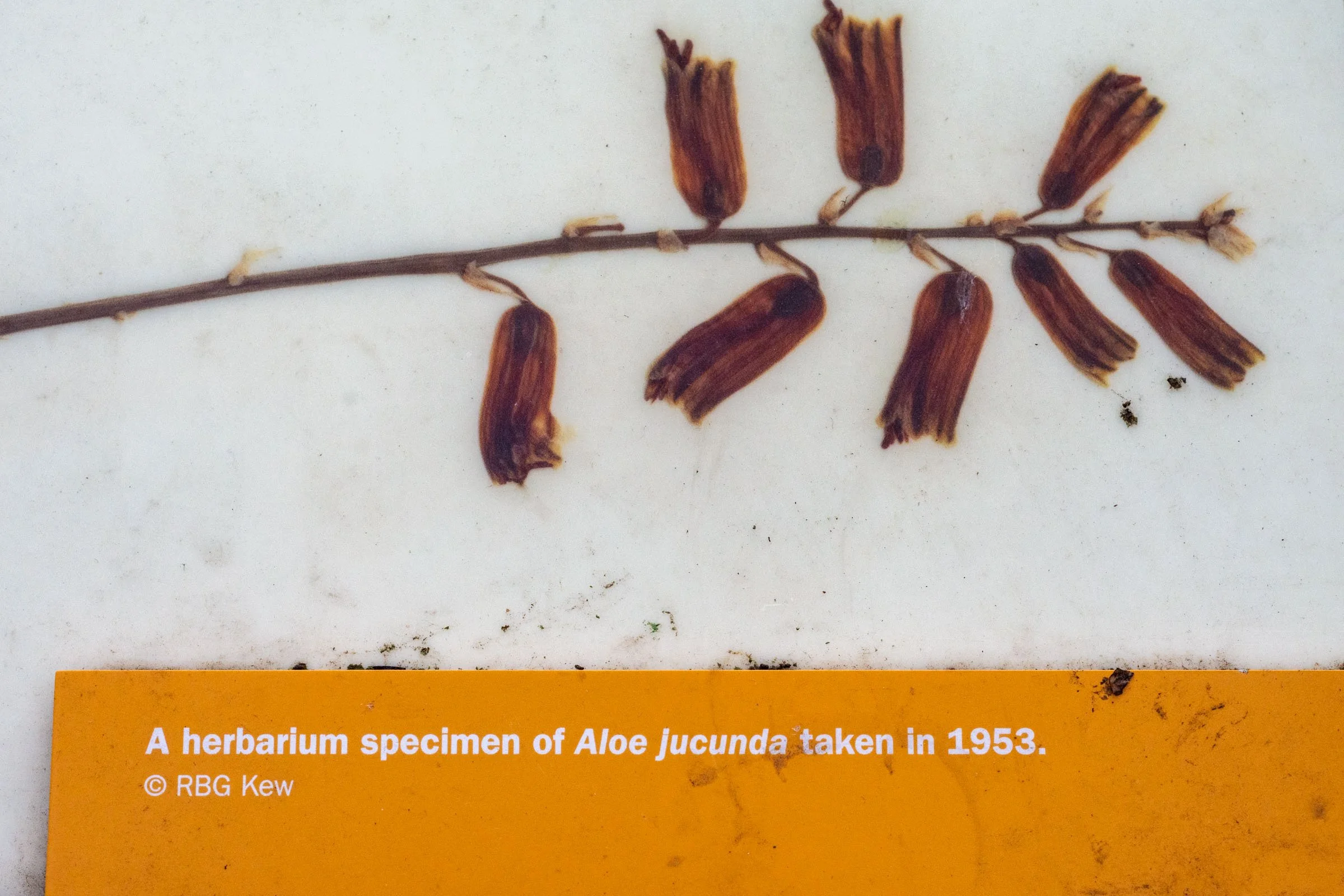
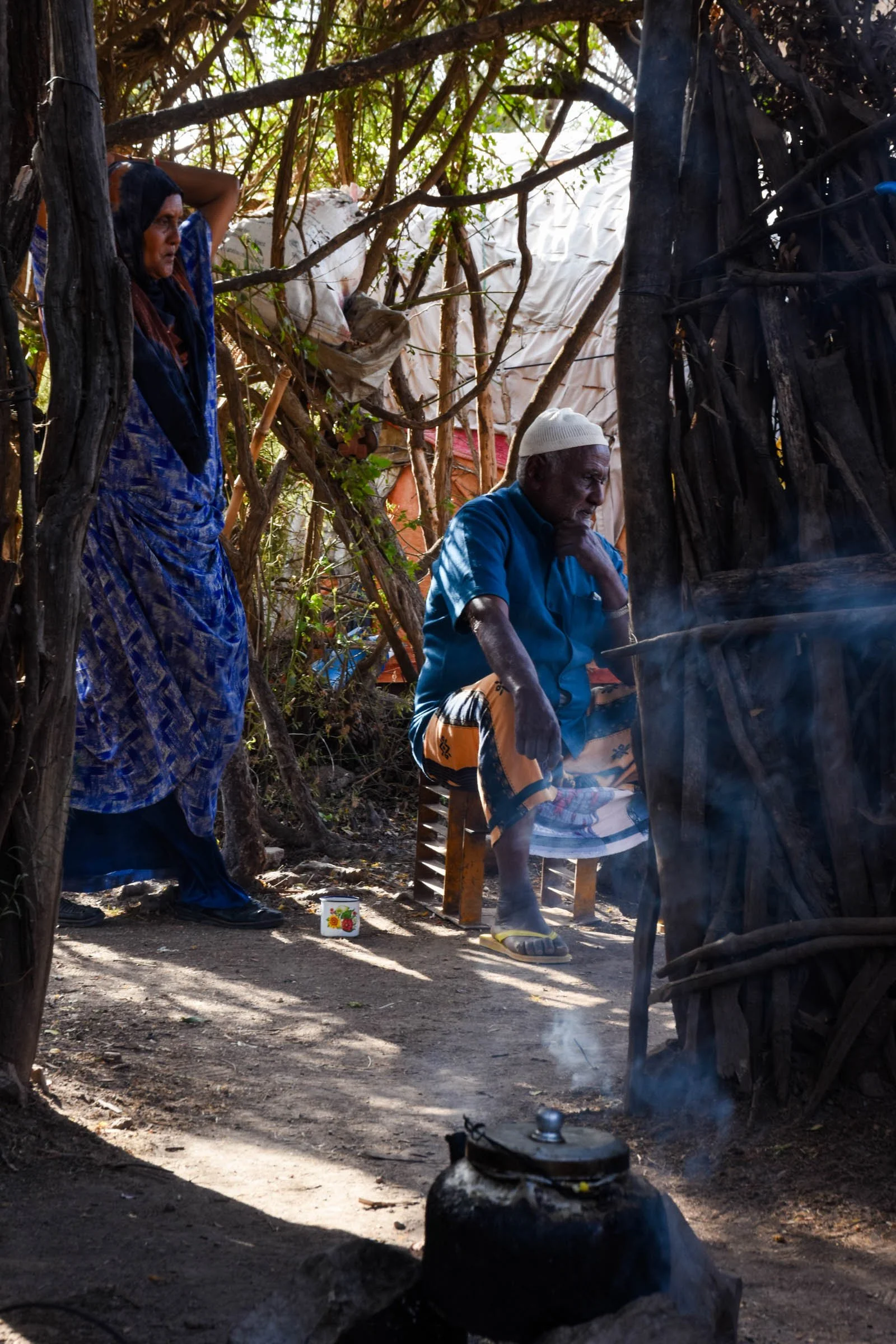
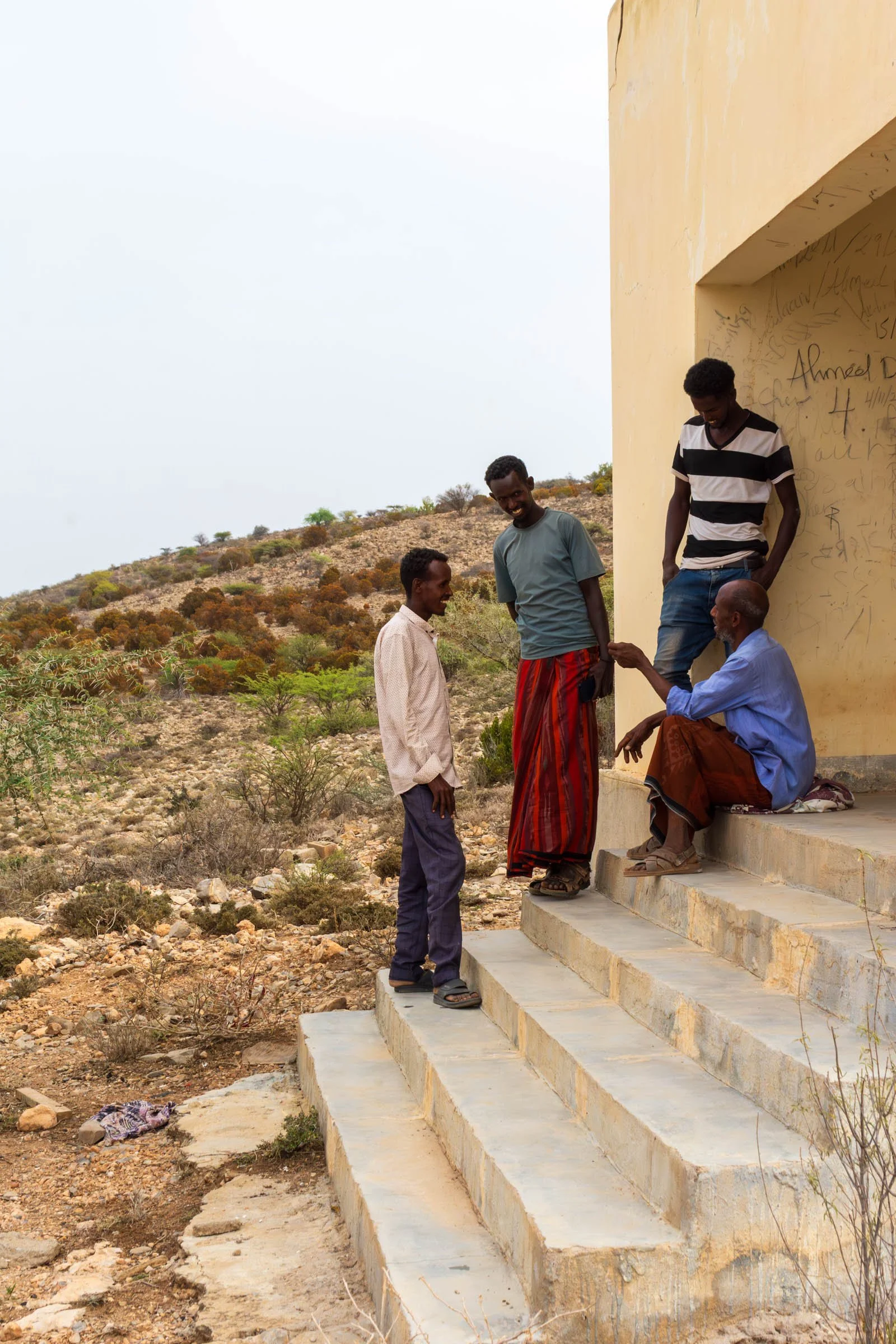
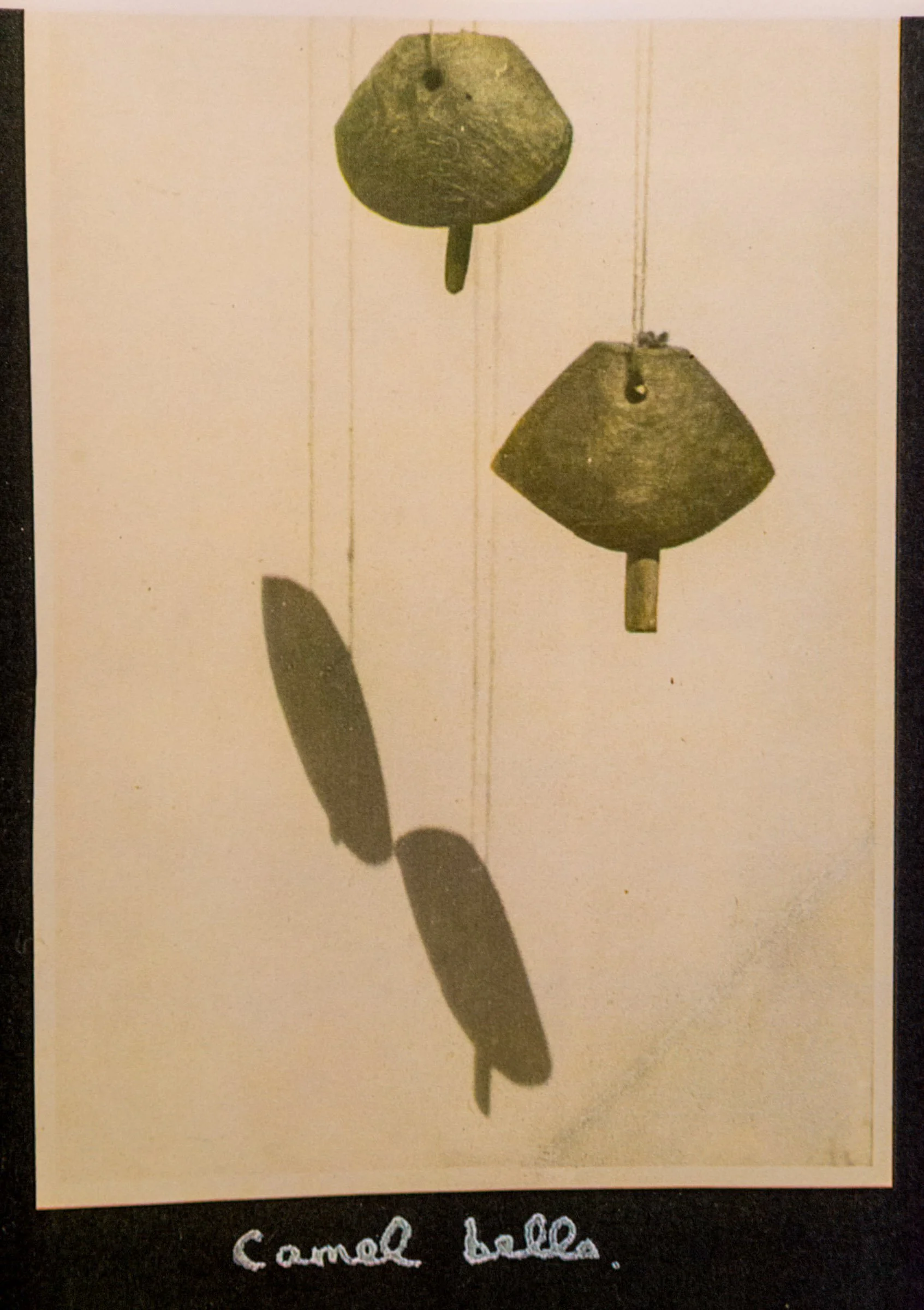
As wisps of steam spurt out of the blackened cooking pot balanced on three stones said to represent the separation of powers, the memories of Indadeeq, Ibrahim and their colleagues at Gacan Libax forest reserve are tinged with nostalgia and loss. Looking back, they share war stories, and mementos of British times past.
During the war the crash of guns boomed and thudded around these mountains, sending the animals into blind terror. “People hid in the mountains. The enemy fired there. The sound of guns was huge so the animals ran in fear.”
These days, much of the former wildlife and vegetation has gone, and they are left trying to pick up the pieces. With the Environment Ministry, they work to monitor the wildlife and flora and prevent its illegal trade.
Lions are not the only animals to have left these parts. Somali ostriches, the goorgoor bird with its expansive white wings, and leopards have all but vanished. “We believe that lions are a landkeeper and protected the land. When he was here the land was green. People were afraid to cut down the trees because he was there.” Today, it is an environment that is increasingly in peril.
“We’re here to protect the animals. It’s our work, it’s not easy”
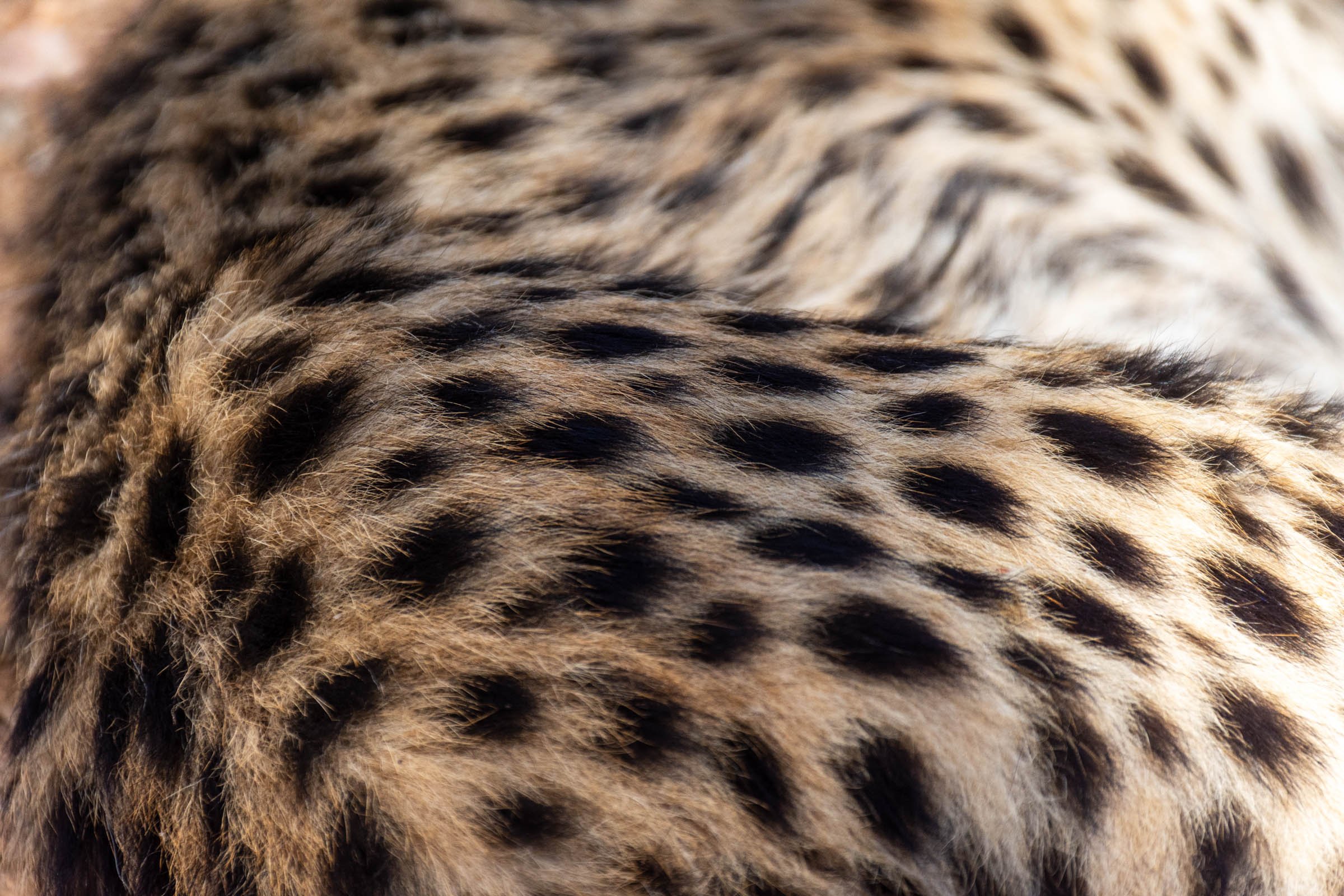
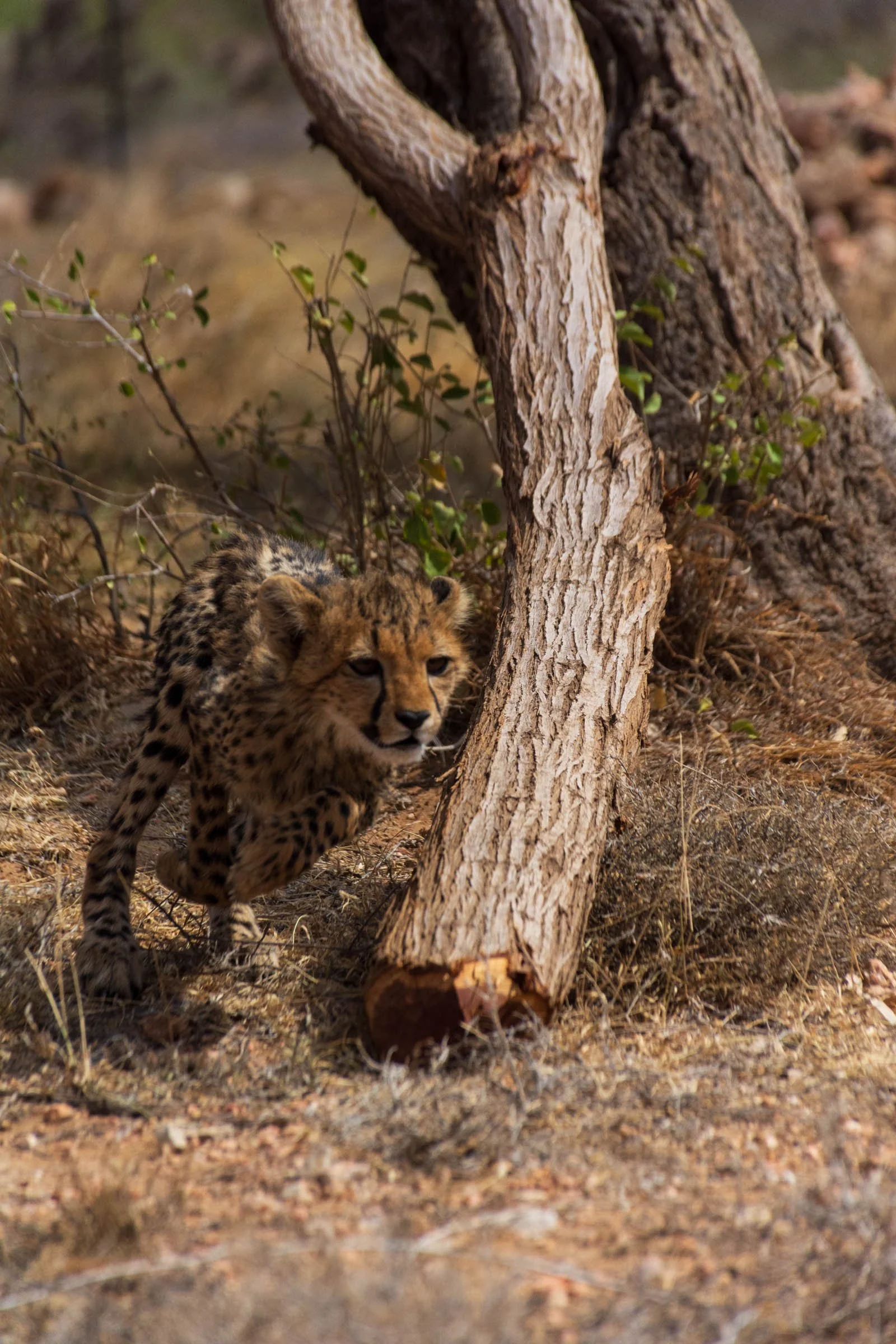
At the Cheetah Rescue and Conservation Centre in Geed Deeble forest reserve, the new arrivals keep coming. Now the cats housed here number over 100 - all rescued from an illegal trade that, despite many people’s best attempts, is burgeoning.
Petrified, the cubs are squeezed into empty oil drums and plunged into tarry darkness, left to sit in their own secretions. Removed from the warmth of their mother and her milk, they rattle over rough roads for hours after hours, the unfamiliar sound of harsh human voices and car exhausts around them. Sold by middlemen, they are on their way to the Arabian Peninsula, where a short lifetime of captivity, isolation, and performing for social media as exotic pets awaits. For the diminishing number who survive the journey and make it to the shores of the Gulf of Aden, a terrifying sea crossing and greater ordeals are still to come. Some will be destined to be declawed, a traumatic and harmful procedure that involves bone amputation, muscular damage, and terminal pain. Others are simply discarded and got rid of once they have lost their novelty and grown too big to handle.
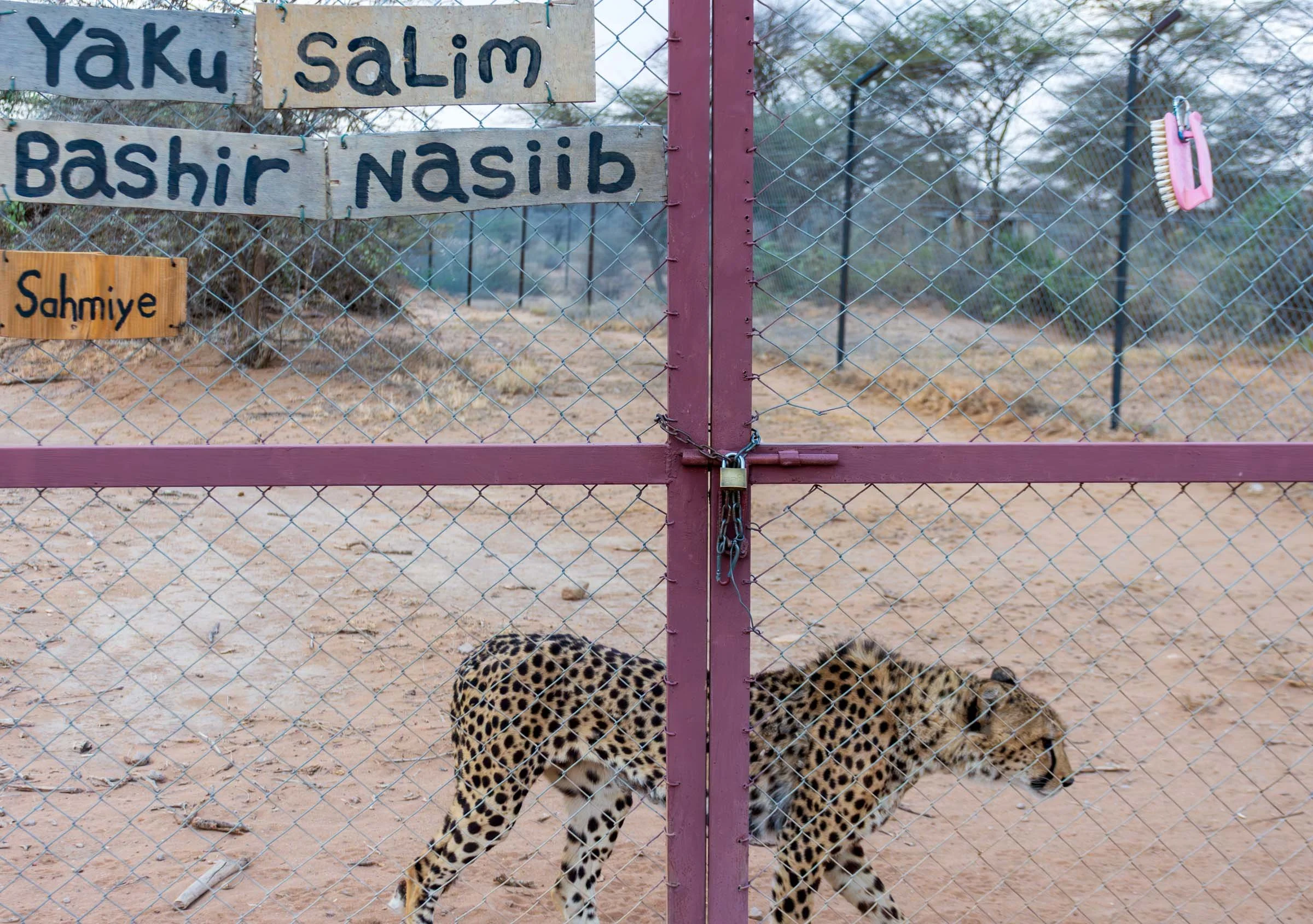
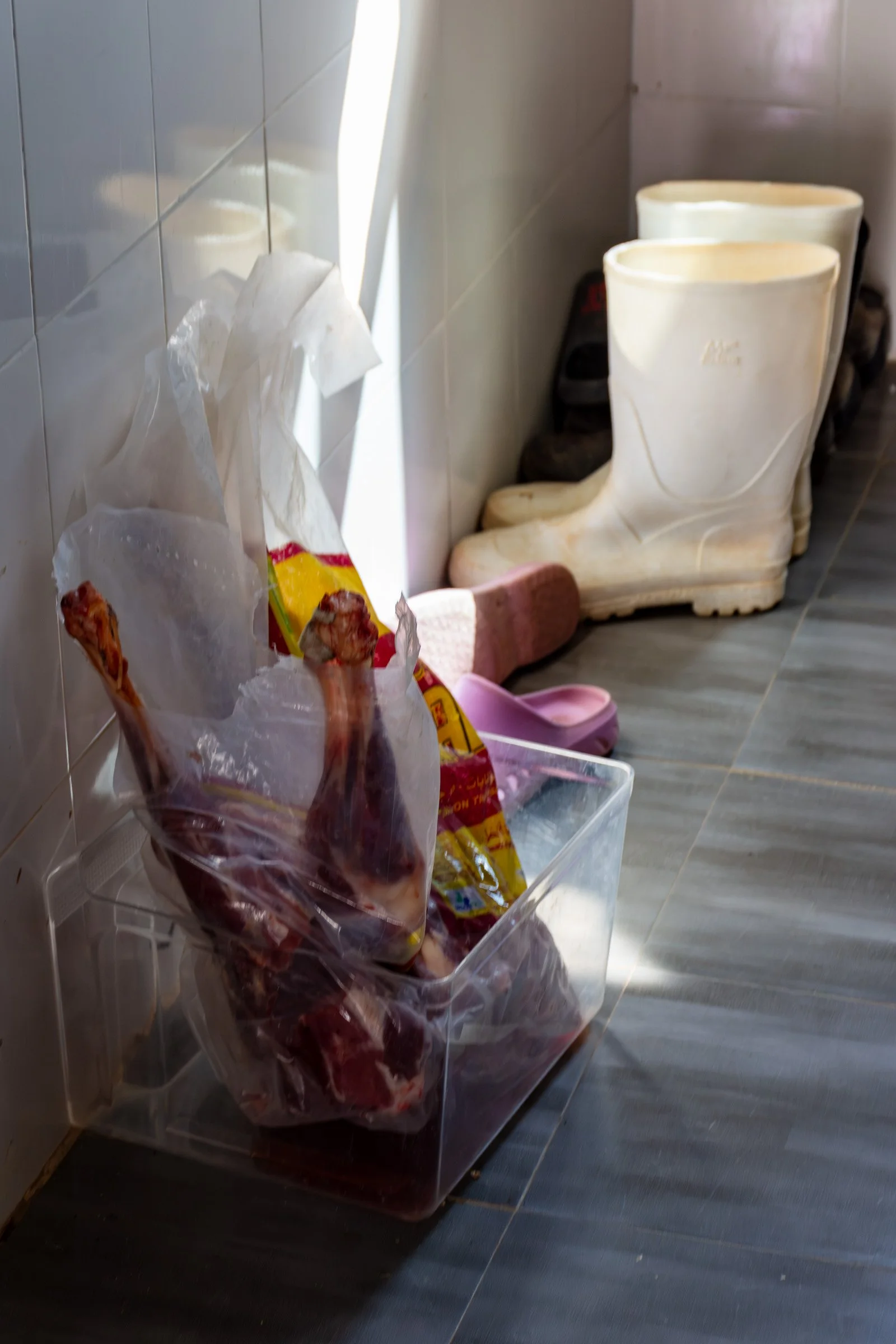
The land around Geed Deeble (‘Land of Trees’) has long been a haven for wildlife, with canopies of green, imposing rocky outcrops and a riverbed that fills with water and sequesters the place during heavy outbursts of rain. Working with the Somaliland government, international non-profit the Cheetah Conservation Fund hopes the land will soon become part of a larger protected area and national park, helping to protect the region’s rich ecosystems and wildlife.
With thanks to The HALO Trust, the Cheetah Conservation Fund, the Kenneth Rossi Archives, the Lawrie family and the Green family.