
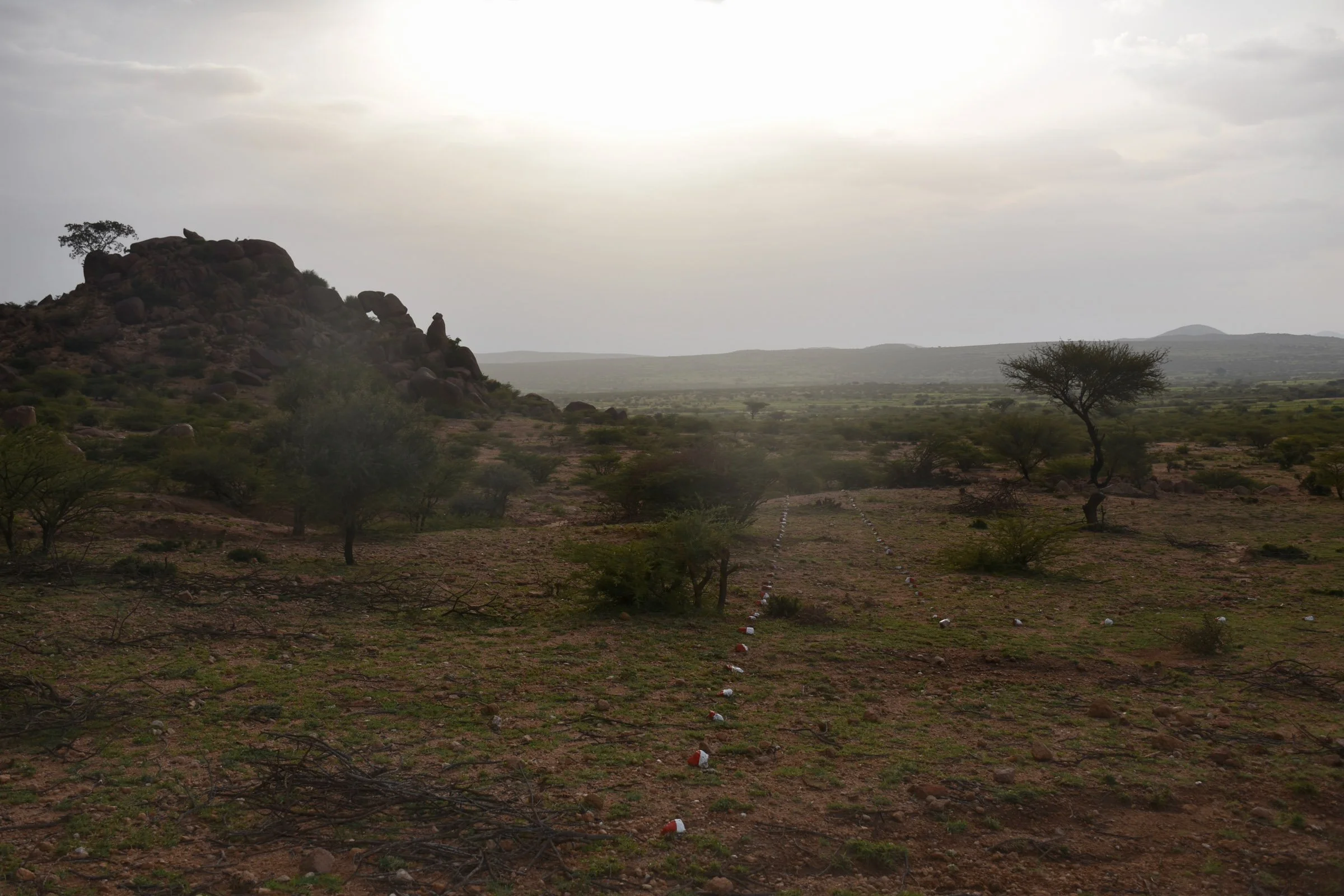
A Lethal legacy
(2018-2025)
Landmines and explosive ordnance kill and maim people and wildlife for decades after fighting has ceased, remaining active and scattered across land and sea until they are found and removed. Posing an enduring and indiscriminate threat, they cause long-lasting psychological and environmental harm, and devastate the lives and livelihoods of people already facing gruelling circumstances for living. As land becomes fraught with unpredictable danger and risk, entire communities are forced to live in chronic insecurity and fear. While people wait, sometimes decades, for land to be cleared of explosive devices, civilian accidents persist, trauma lingers, and lives are kept in limbo.
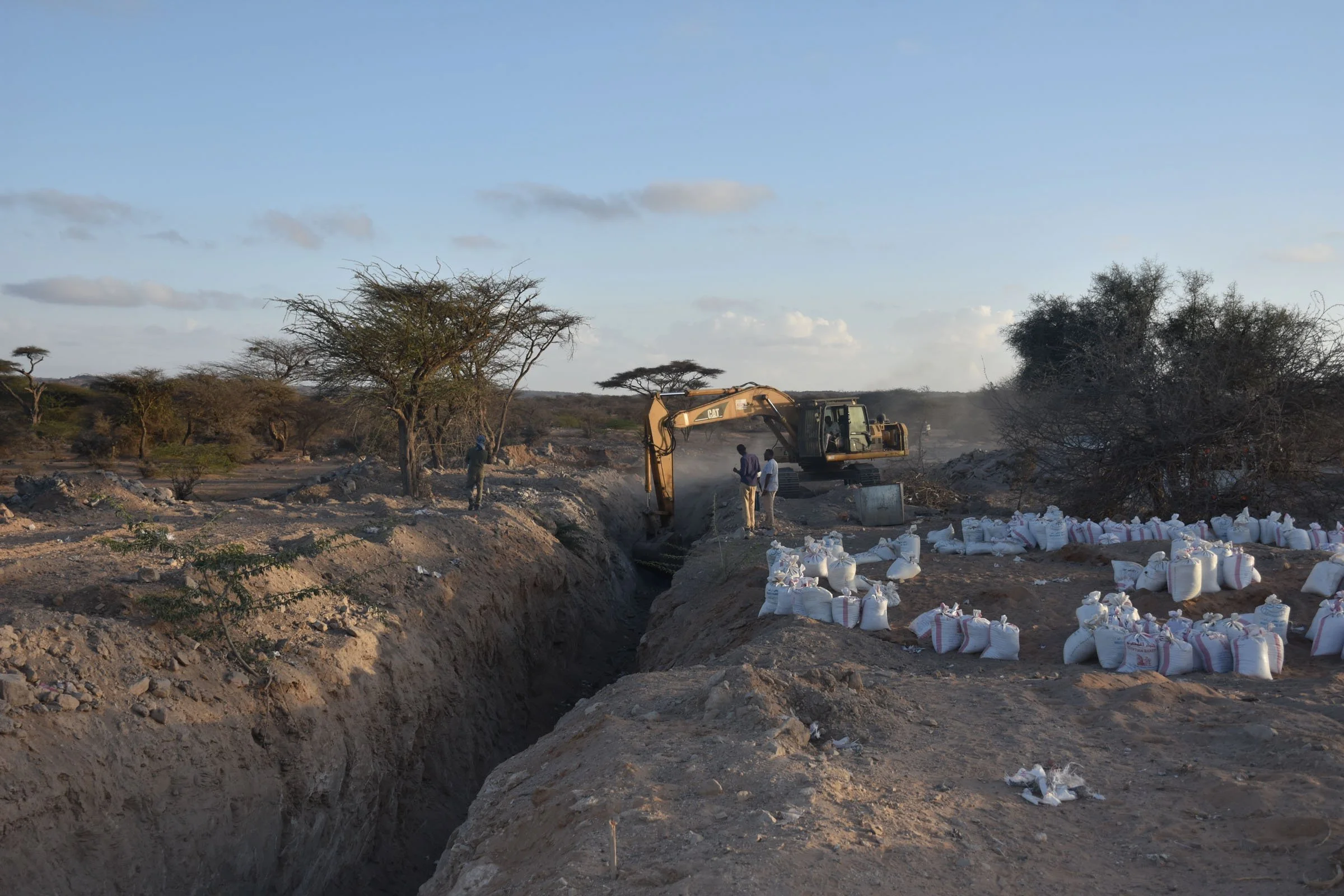
Between the Horn of Africa and Arabian Peninsula, the effects of explosive violence, insecurity and climate change have pushed people to flee in search of safety and a better life. Working with international humanitarian landmine clearance charity The HALO Trust in Somalia, Somaliland, and Yemen, I documented the painstaking work required to remove explosive contamination in this region, and the lives of people enduring the long-term consequences.
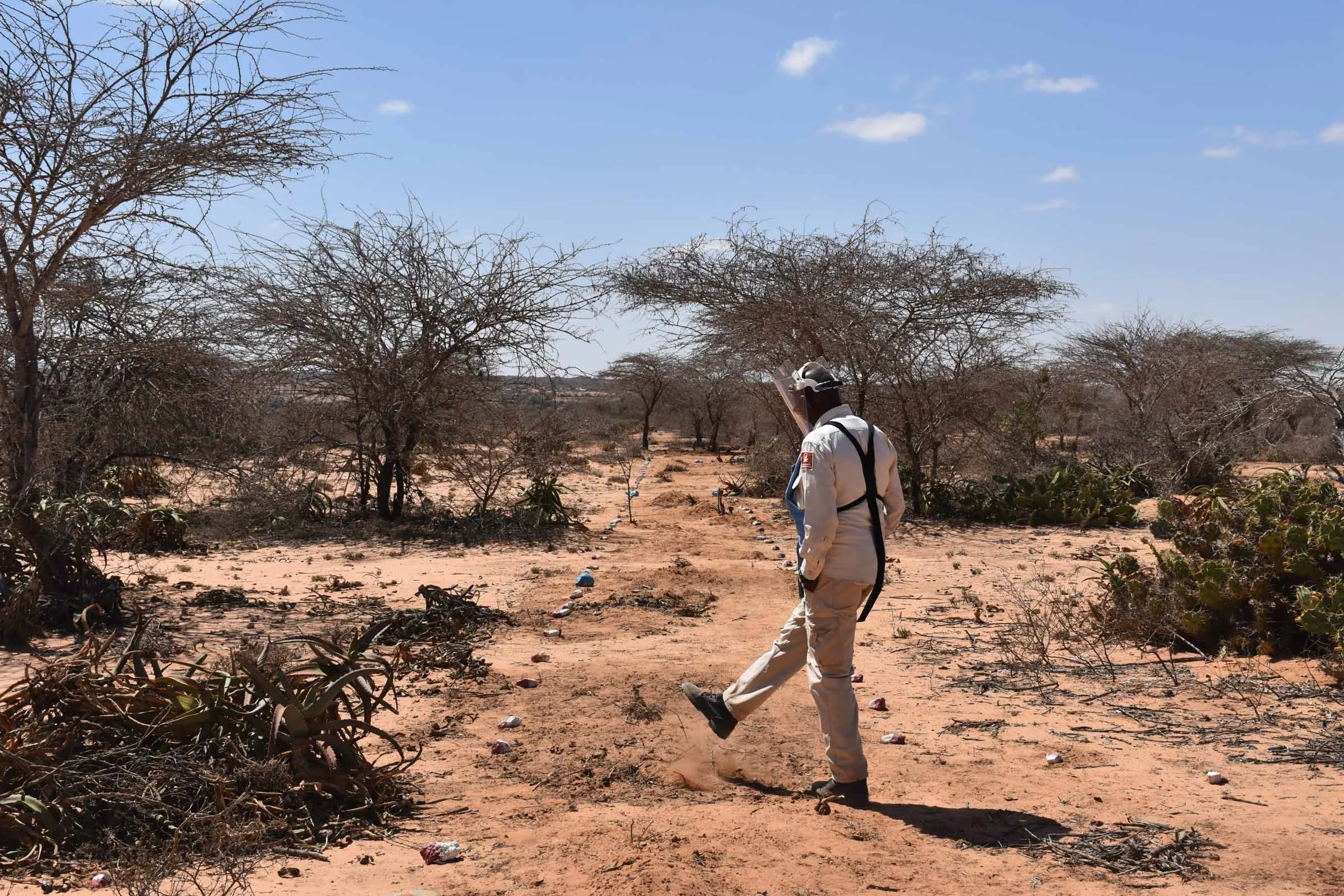
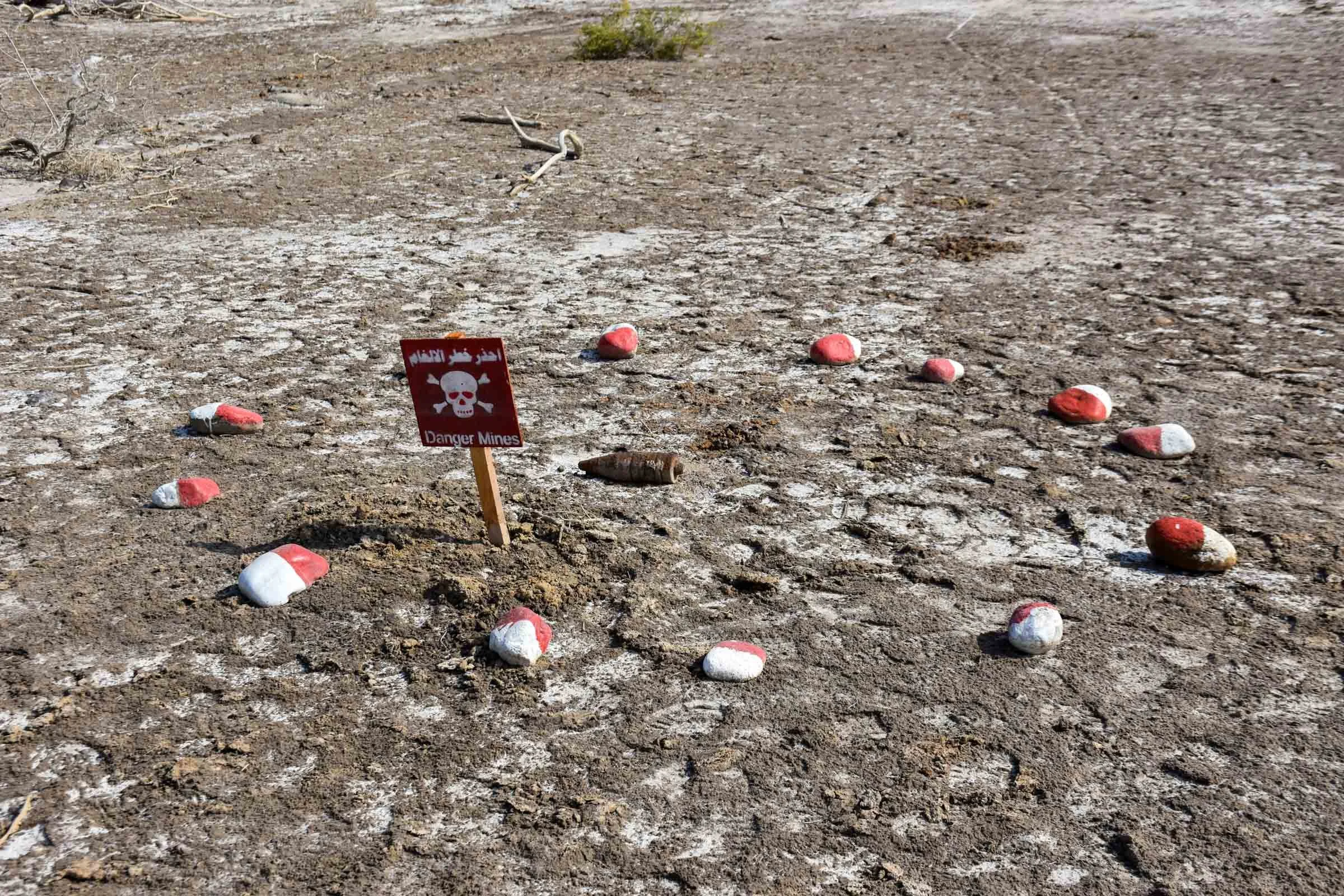
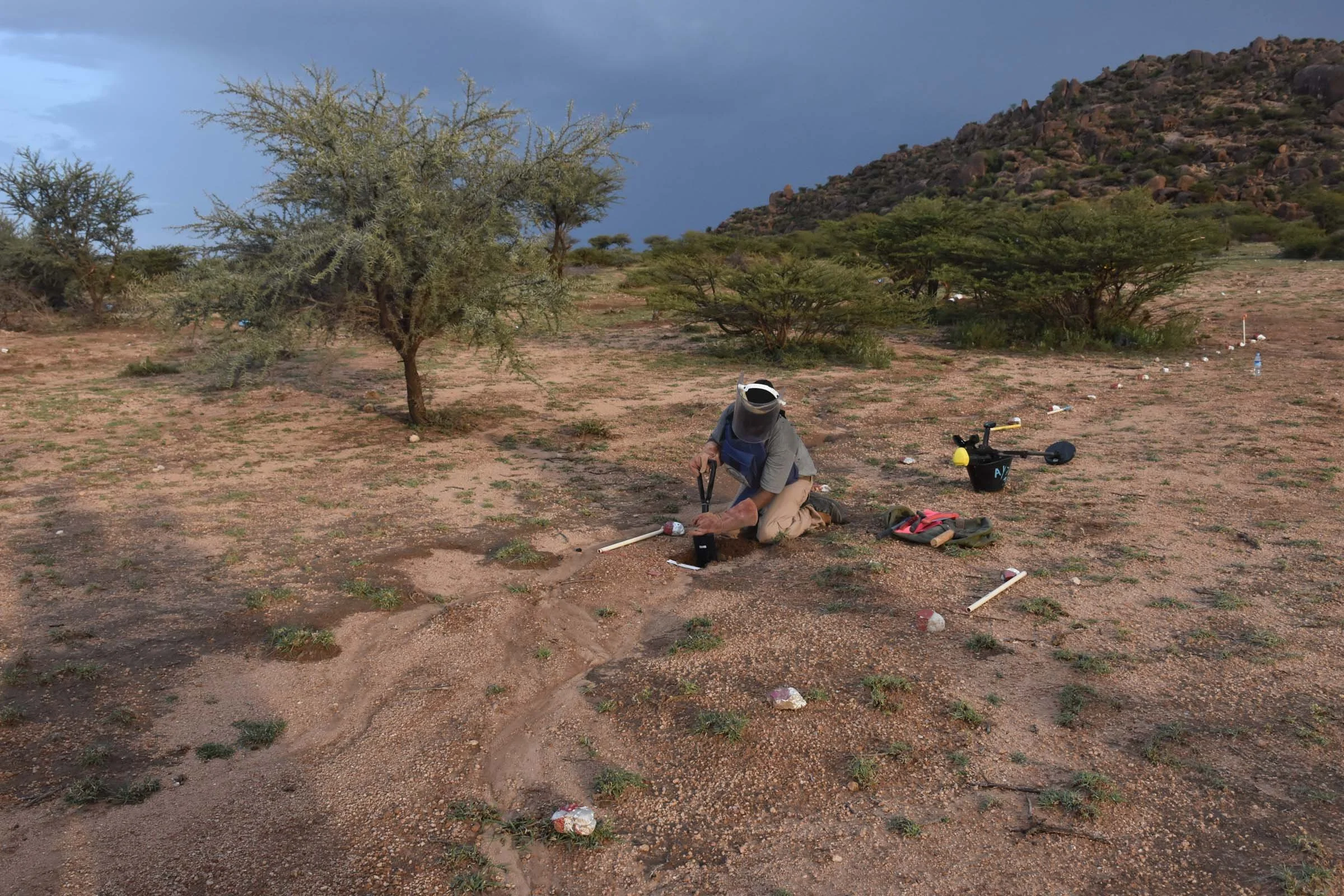
Across tawny sands dotted with acacias and aloes, lines of red and white painted stones stretch into the distance, marking the ground that has been cleared of mines and made safe, and where the hidden threat remains. Tens of years after they were laid, these mines still prevent Somaliland’s agricultural land from being cultivated. For the people living on this land, they represent another obstacle towards recovery from war.
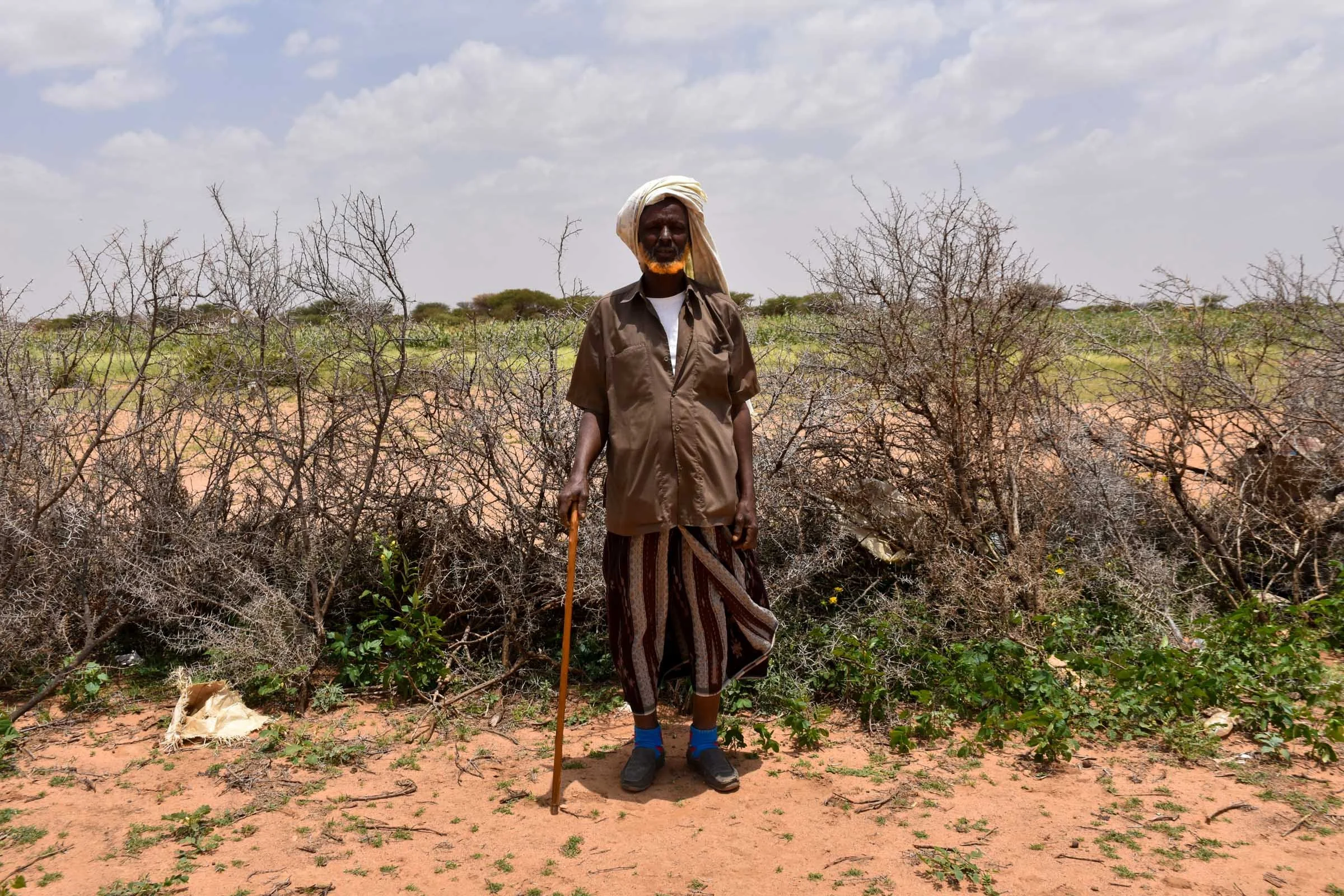
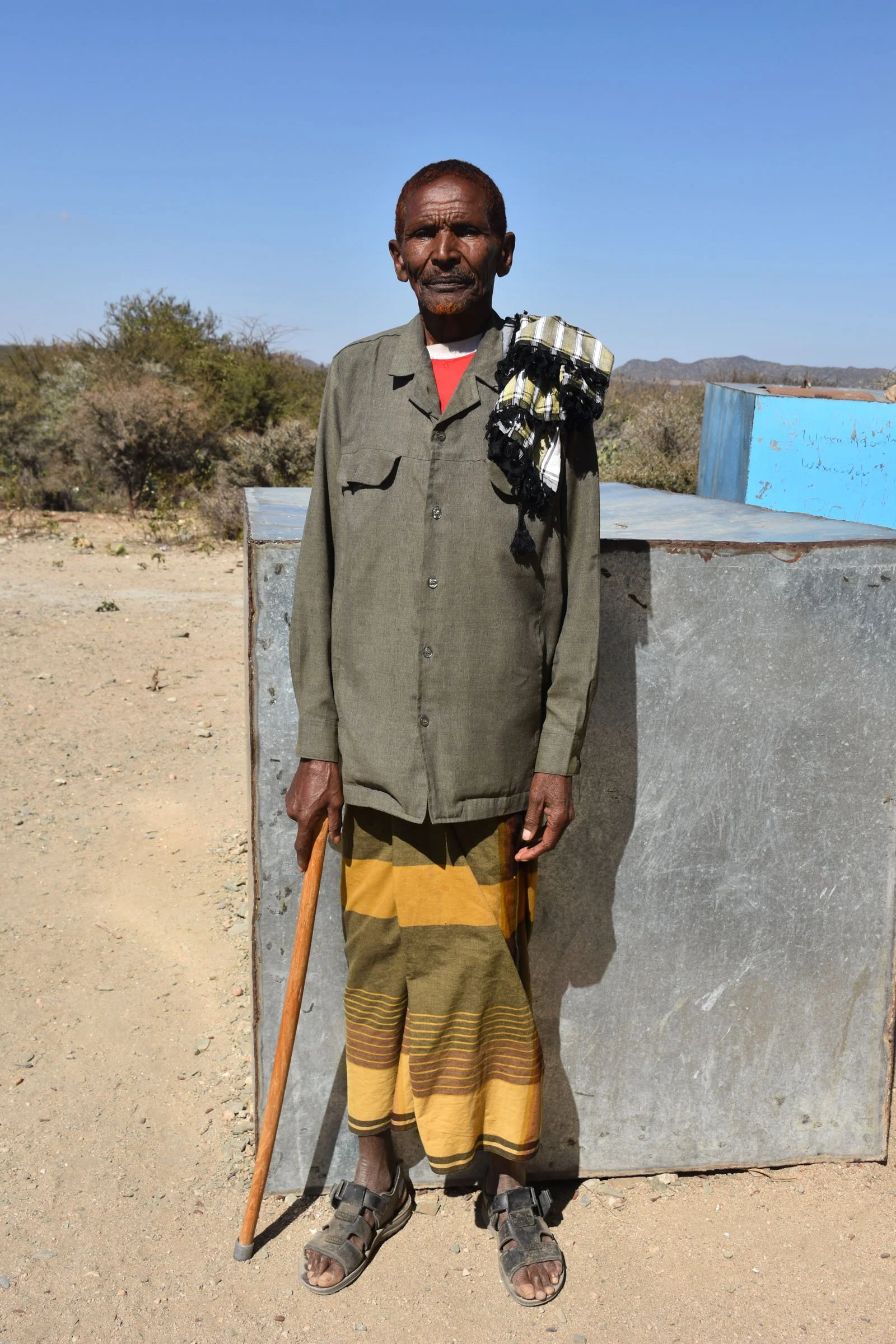
Sheaths of wheat and sorghum sway behind Bedel Aw Abdi, an elder and farmer in Caydarosh, close to the Somaliland-Ethiopia border. Formerly mined, these fields were in previous years the site of multiple civilian accidents. Many people lost their limbs on this land, Bedel explains. Even once the area was cleared by deminers, he says, the fear remained deeply entrenched. Labourers were still too afraid to help him farm. It was only once they could see there were no longer any accidents taking place that they agreed to help him plough once more. Years on, being able to provide villagers with produce from this soil is a source of comfort and pride.
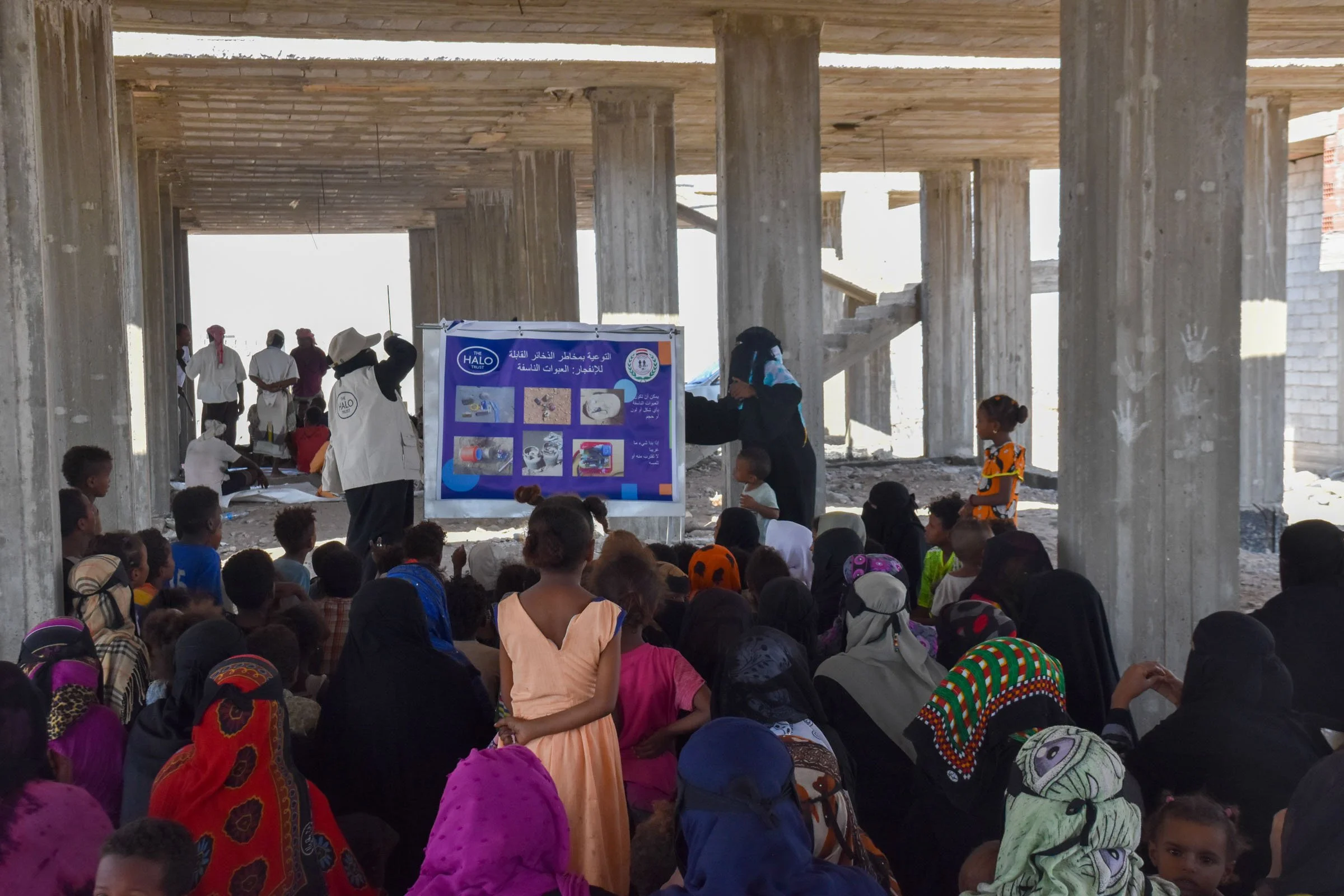
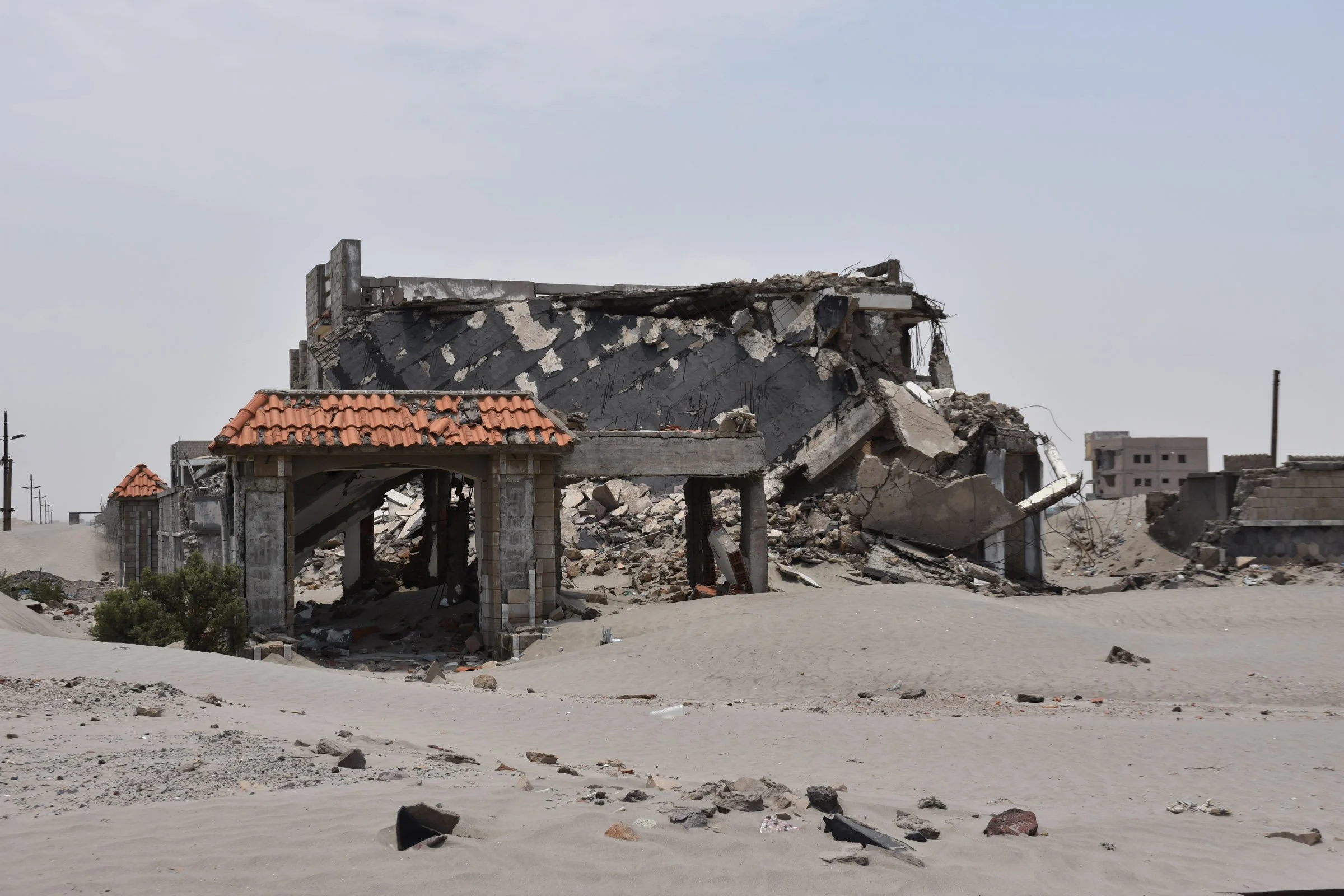
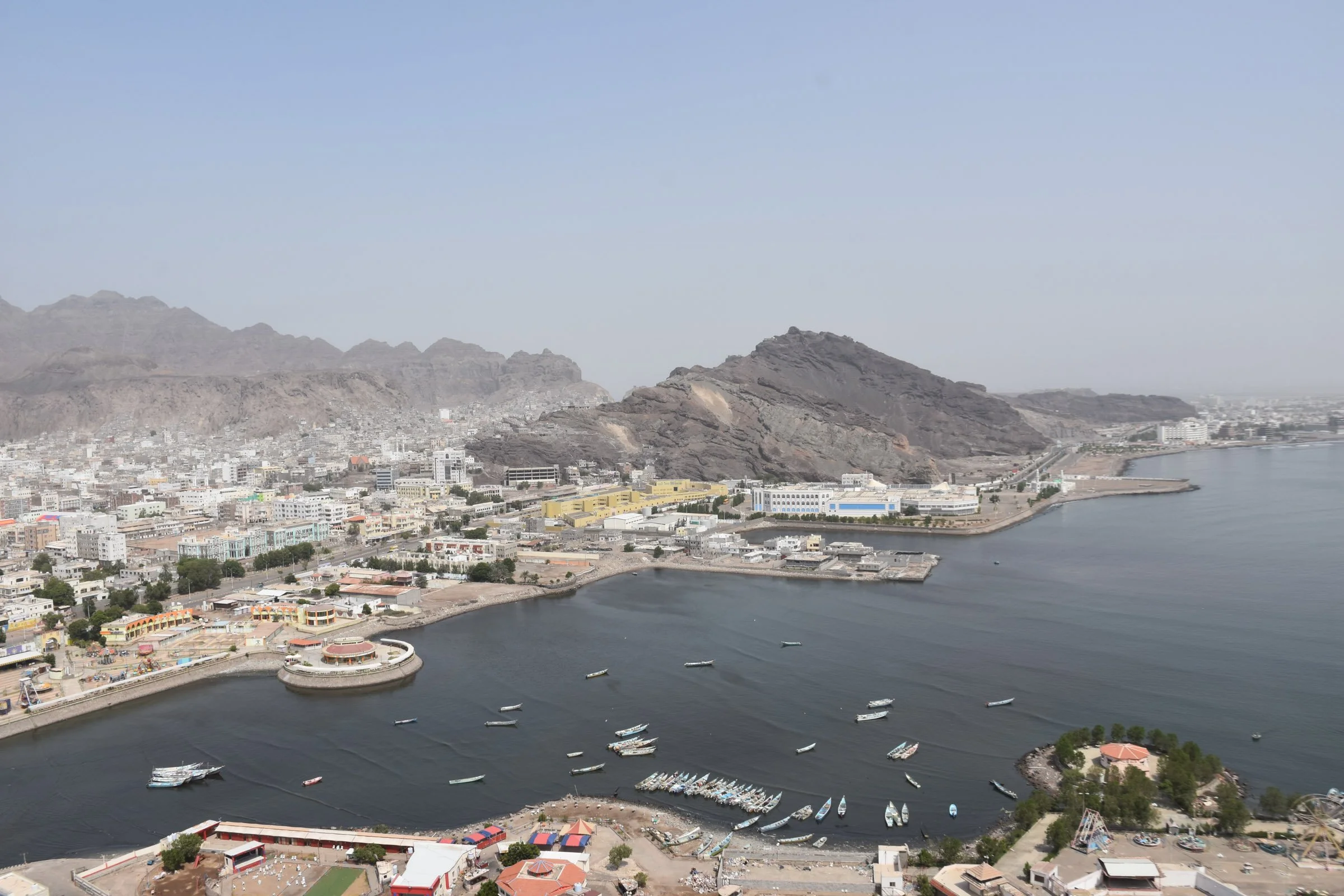
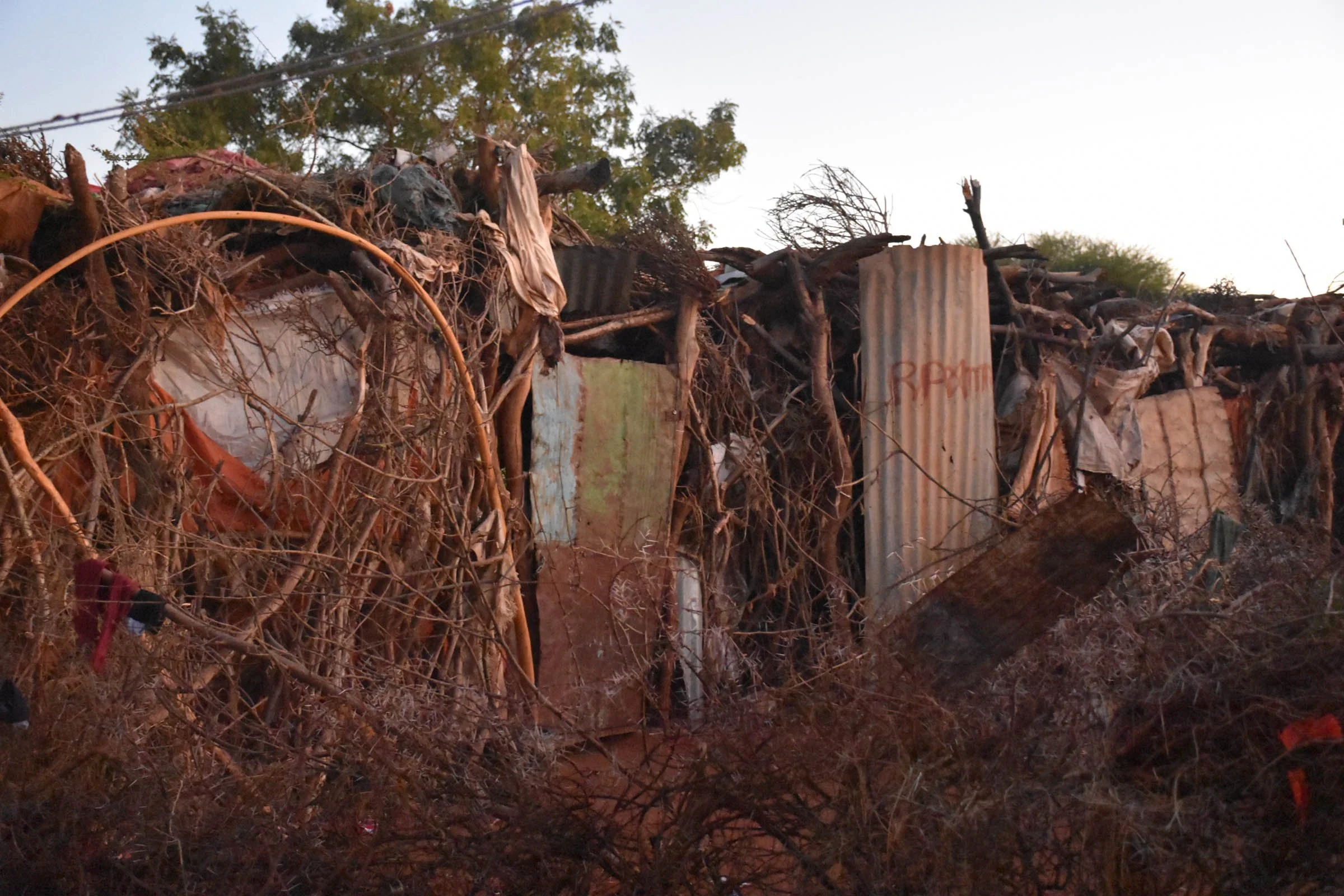
Escaping an escalation in fighting around the port city of Hodeidah on Yemen’s west coast, groups of families have fled south to Aden, arriving in fields outside the city to settle in makeshift camps. Unknowingly, they have settled on land contaminated with explosives, fleeing one peril only to encounter another. Forced to leave behind dignified homes and lives, the danger of their new circumstances compounds their insecurity and distress.
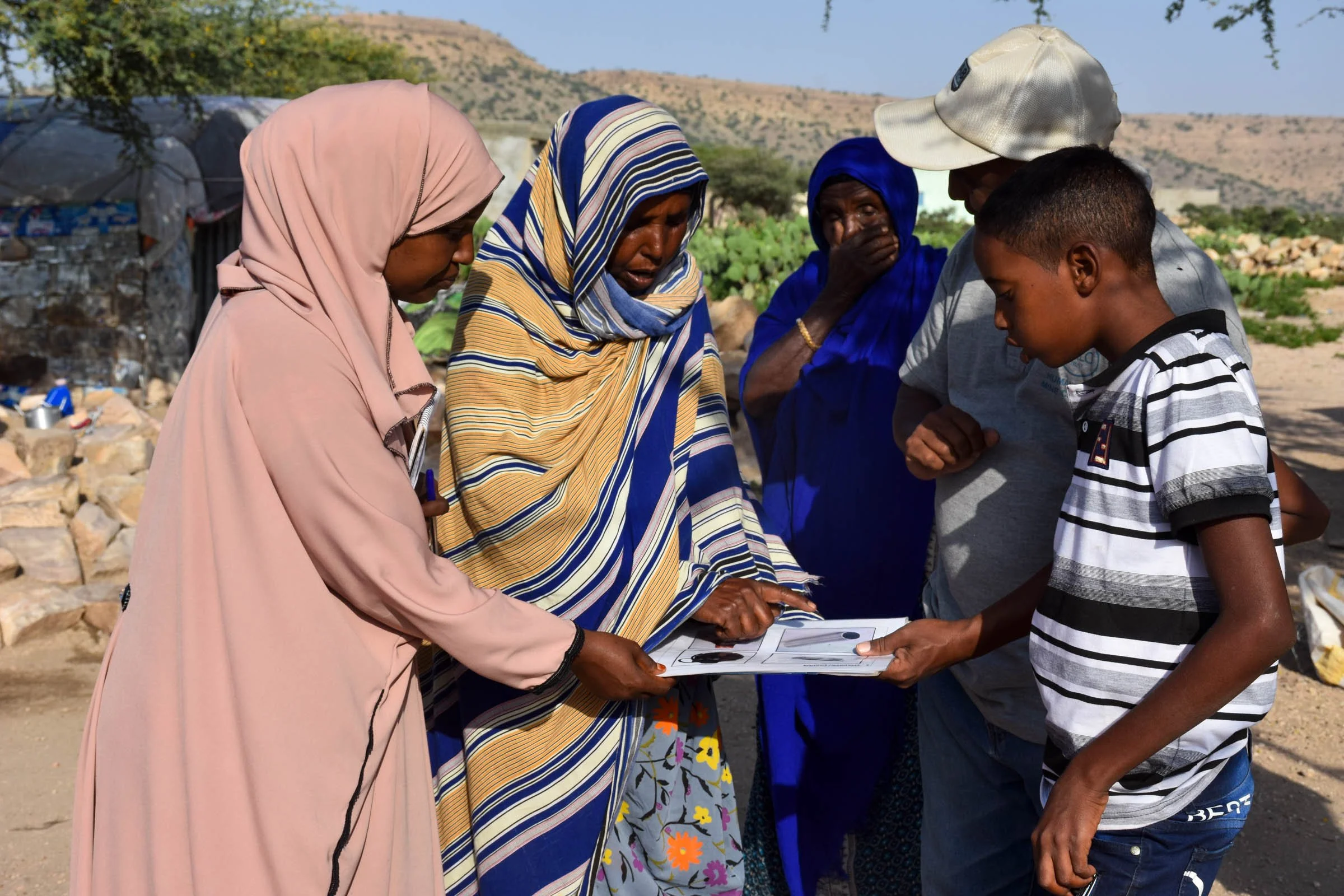
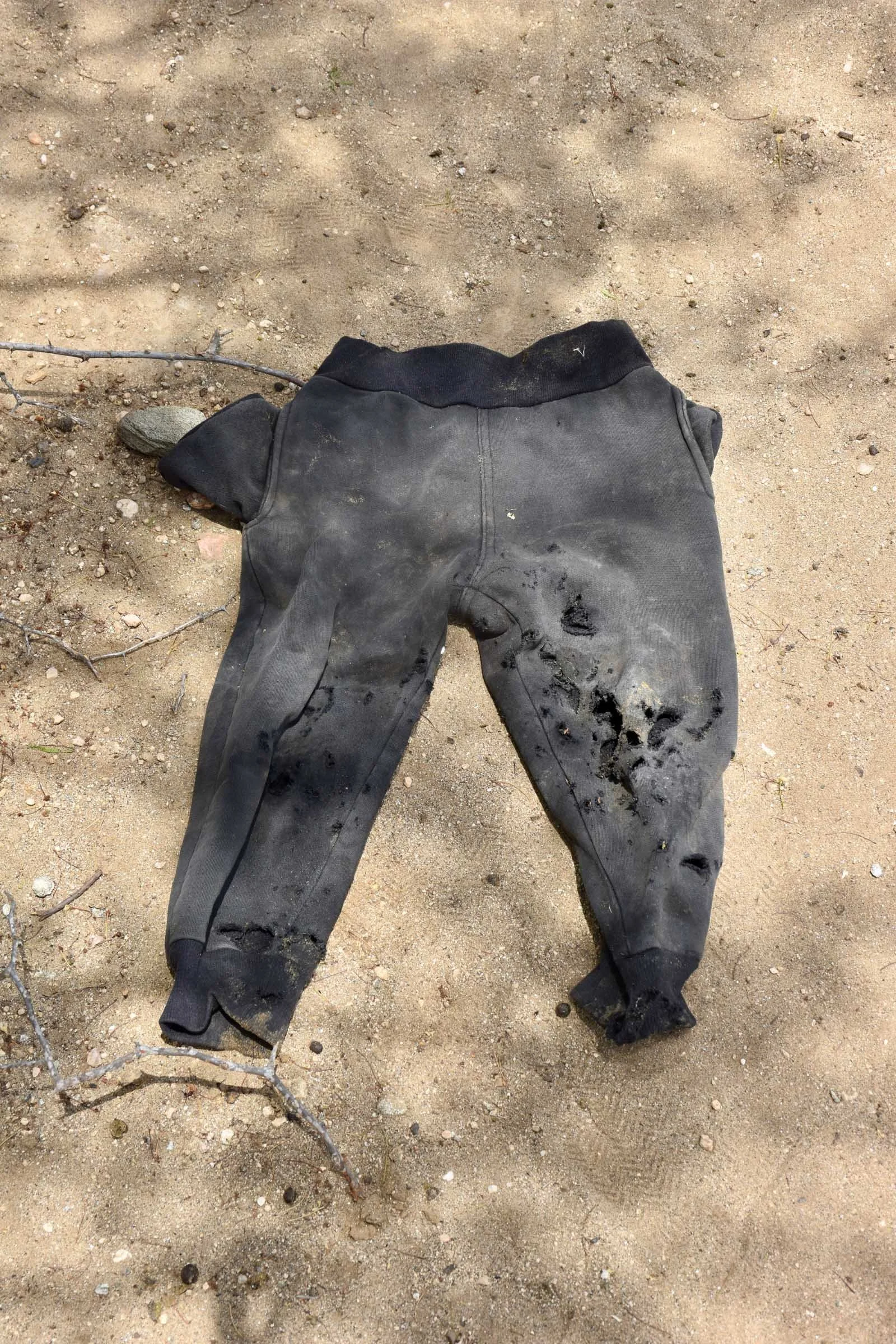
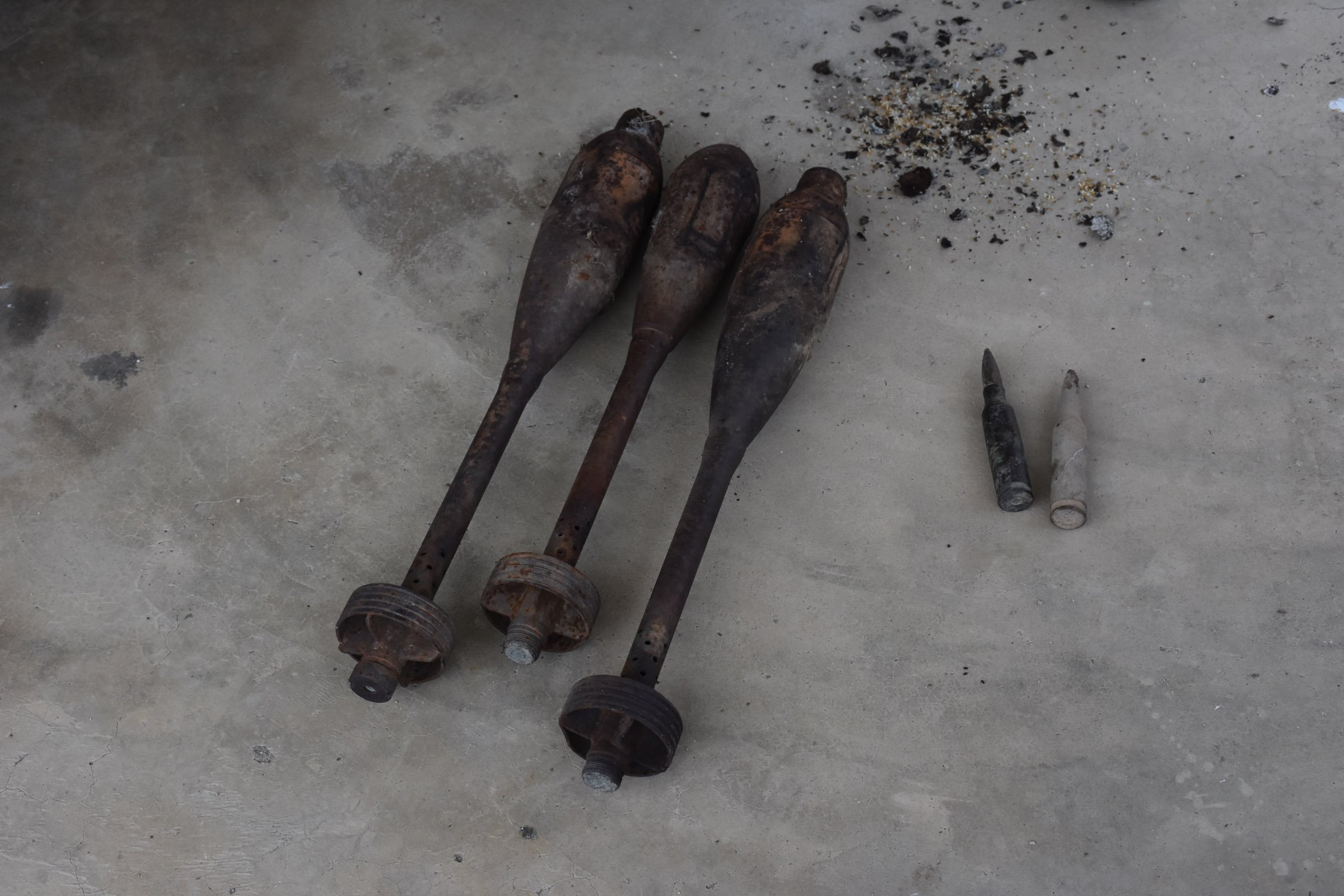
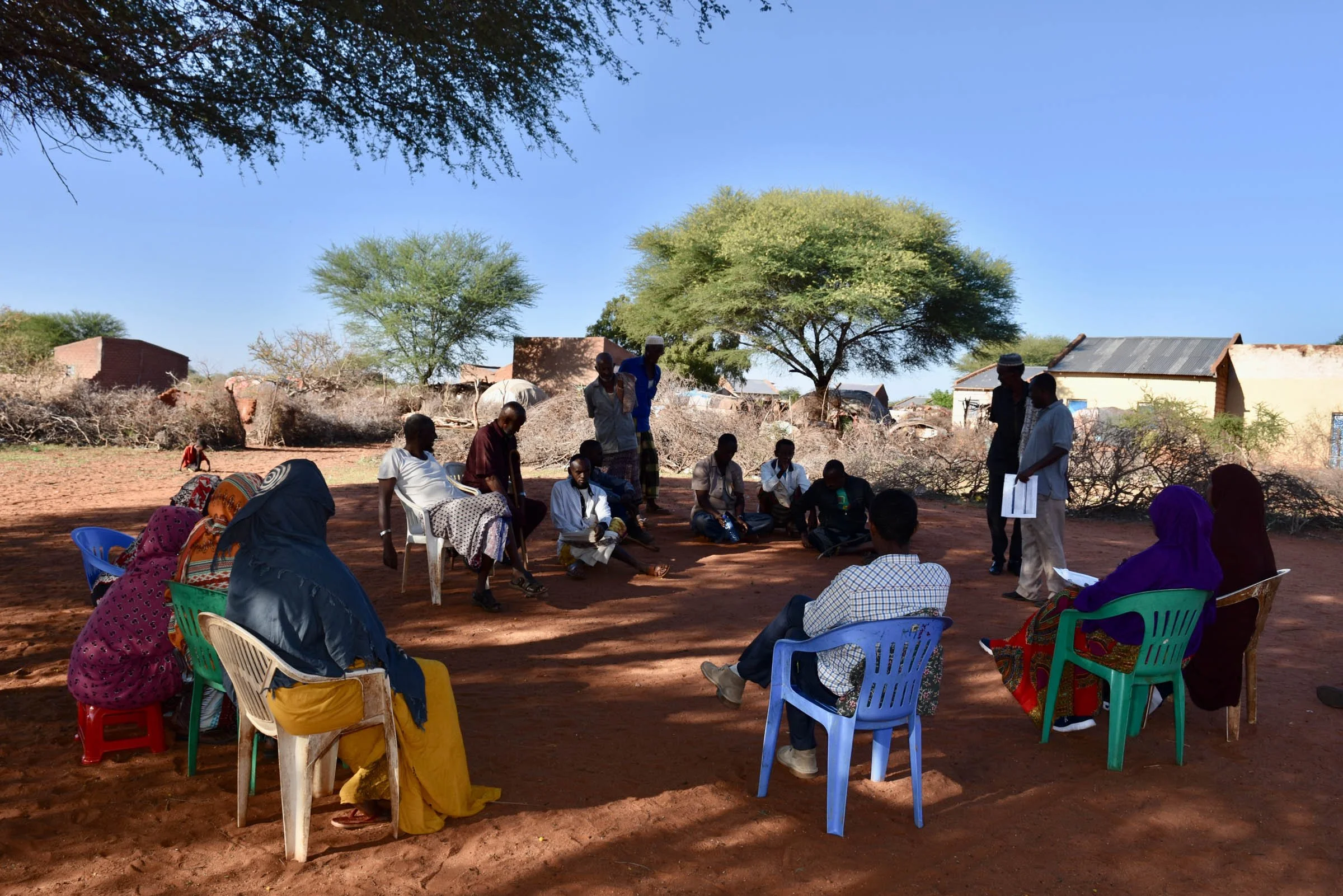
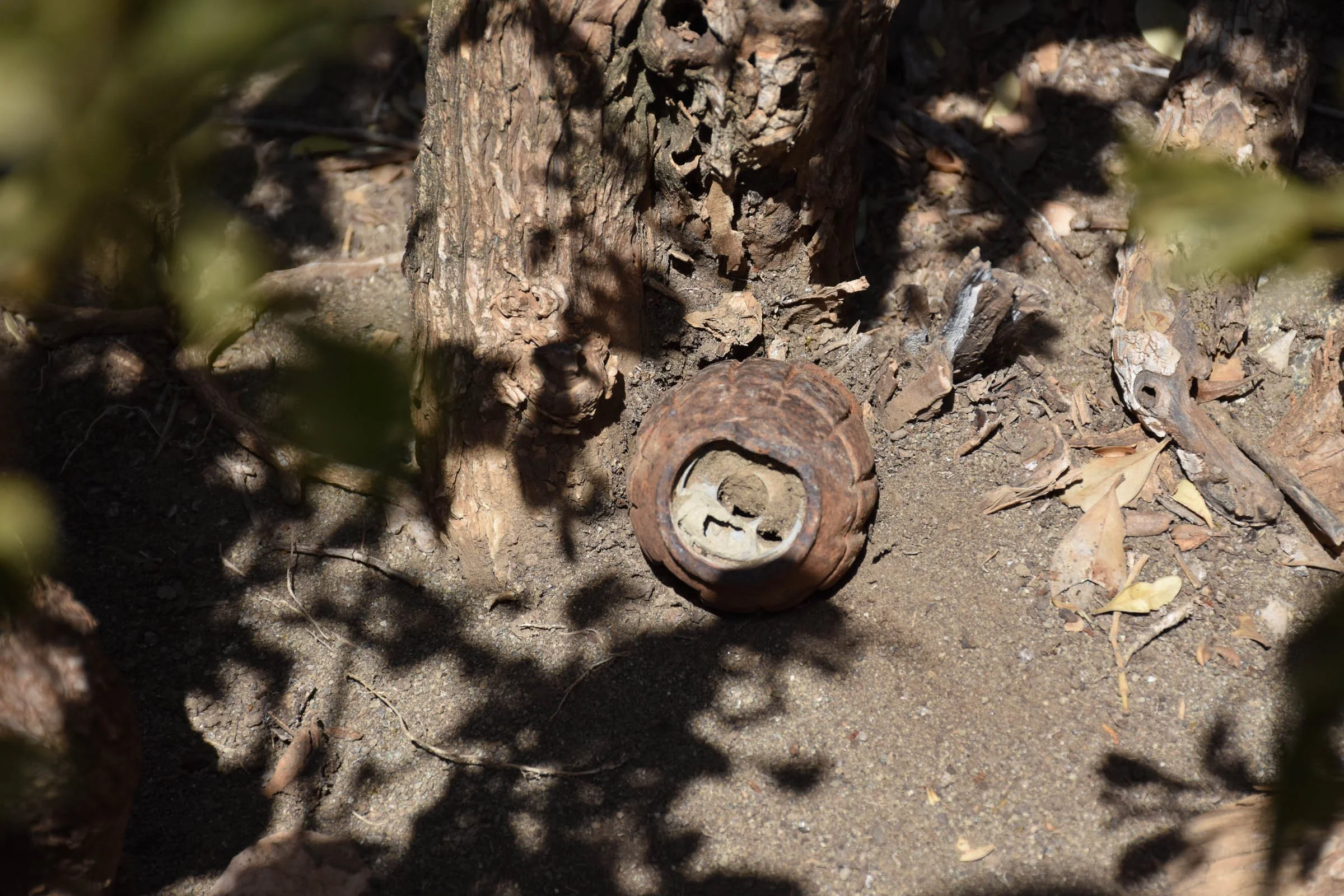
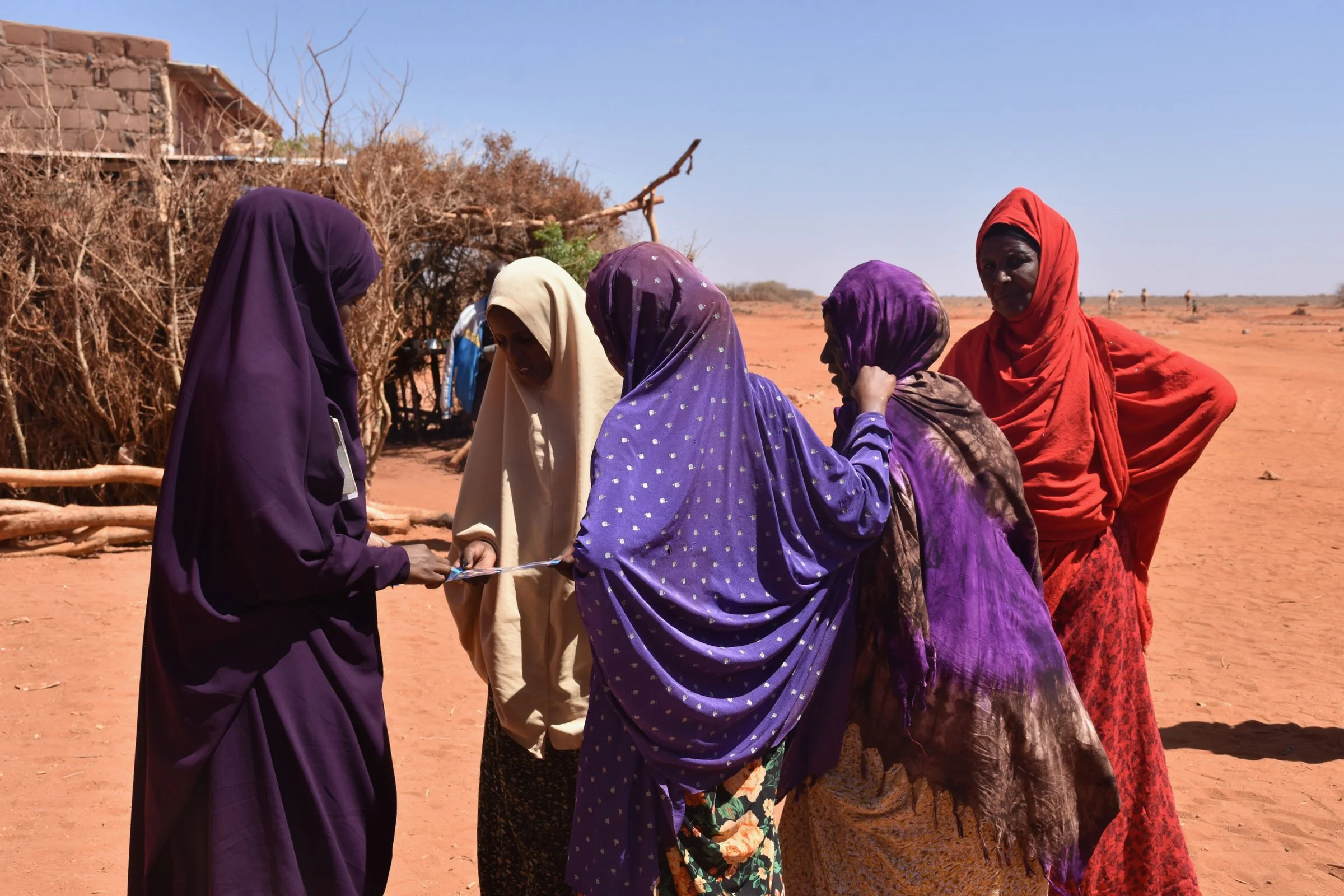
Along the Somaliland-Ethiopia border communities have endured decades of explosive contamination, left behind from waves of conflict. Often laid in low densities over vast areas, the presence of only a few landmines can render whole swathes of terrain a threat. Waiting for mine clearance to take place, people are forced to find ways to live in this liminal space, spreading awareness among themselves and within the nomadic groups crossing this area about the hidden dangers of explosive devices that can maim or kill at any moment. Not knowing whether they or their children will be able to use this land in safety once more, they live with a persistent weight, unable to fully move on even when the fighting has long since ceased.
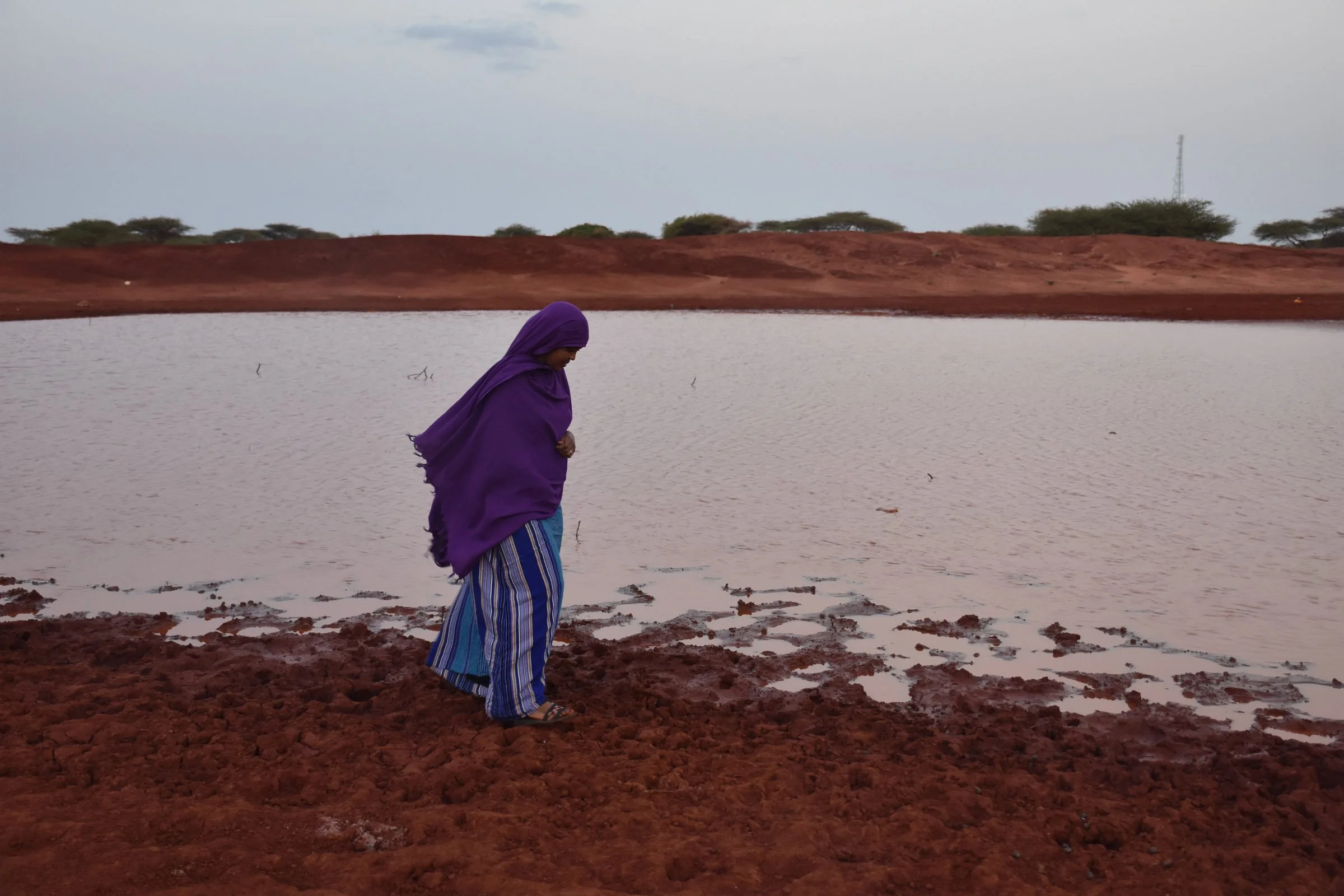
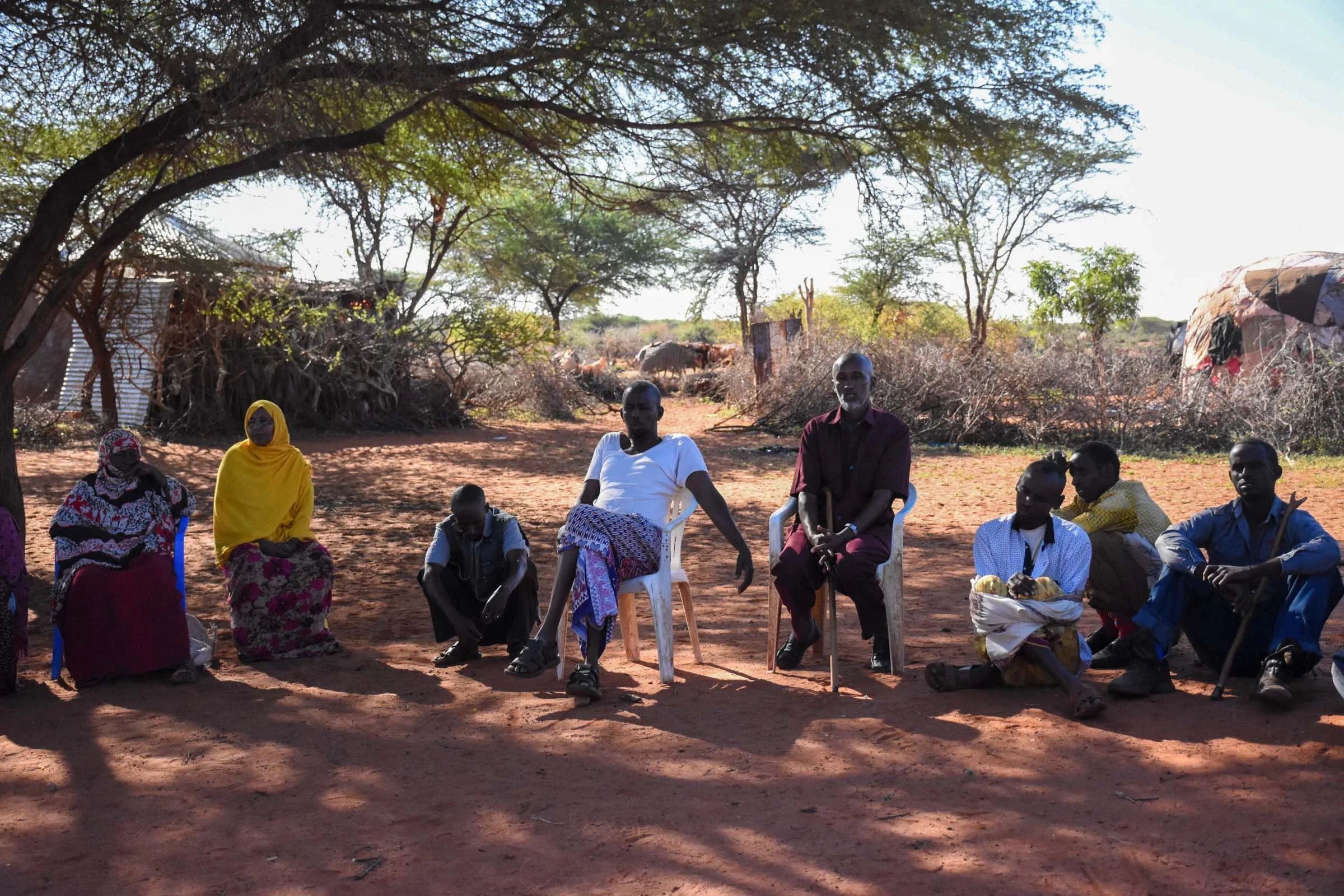
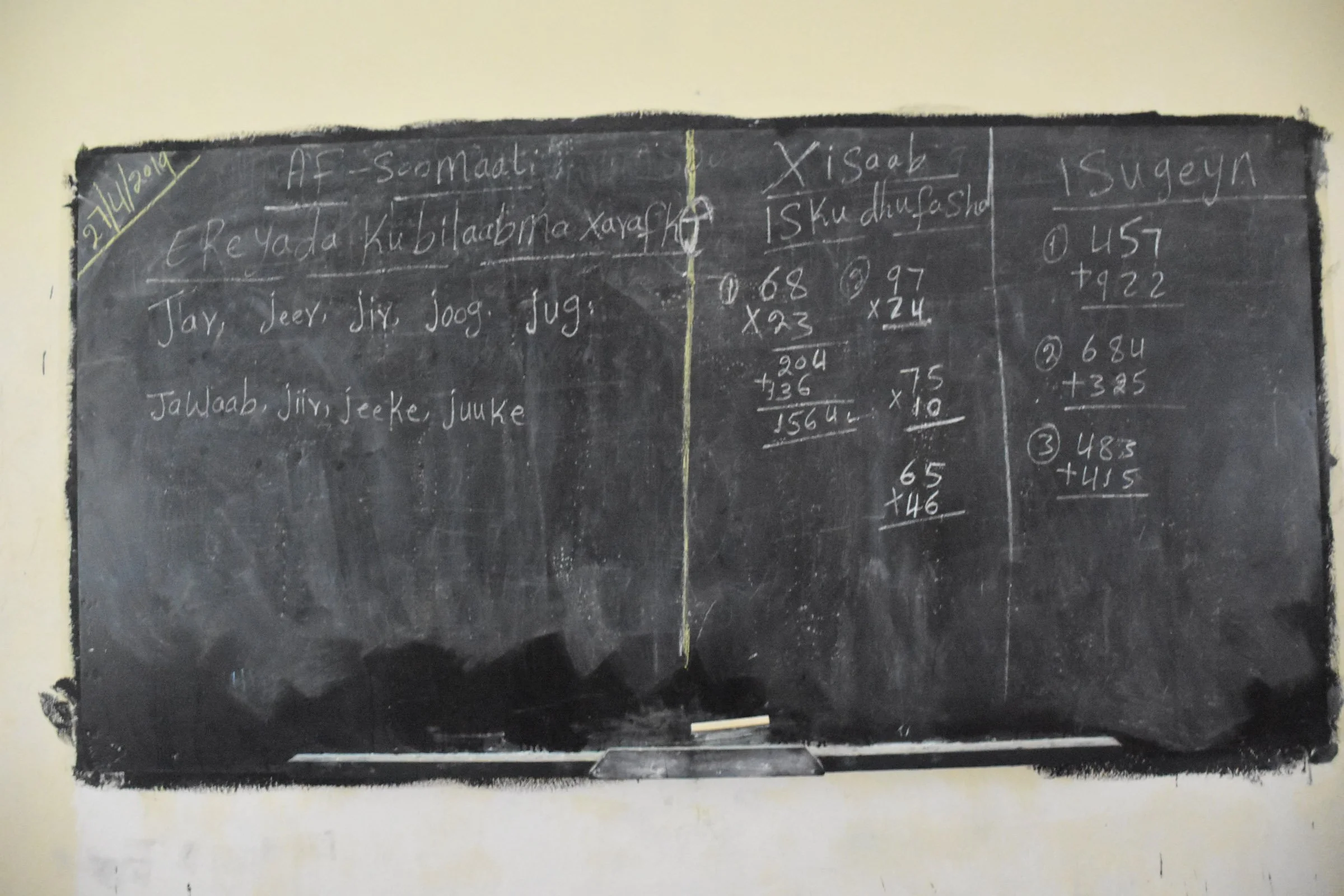
The village of Cali Cadde experienced the terrifying presence of landmines for over 40 years, ever since the Ogaden war with Ethiopia in the late 1970s. For elder Mohammed Faarah Egeh, their presence has brought a particular grief. Having witnessed his younger brother and cousin die in a landmine accident as they were herding their camels ahead of him, he speaks of the psychological alleviation and relief that mine clearance has provided his community, who have lived with perpetual anxiety and stress for so long.
“We lived in fear. When our children went out with the animals we were afraid they would never come back”
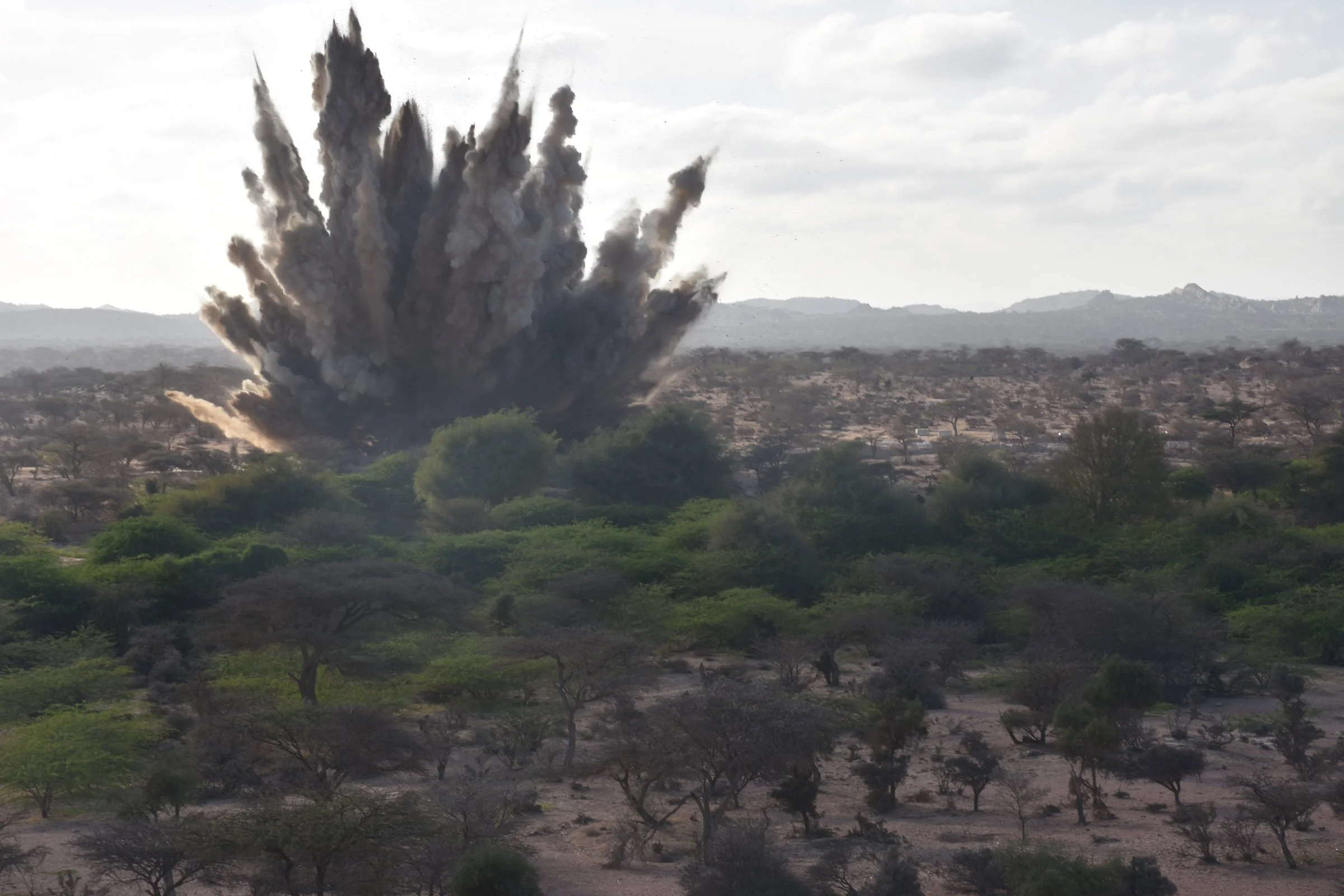
Once clearance was completed in 2019, the demining team had found and removed over 90 landmines from the site.
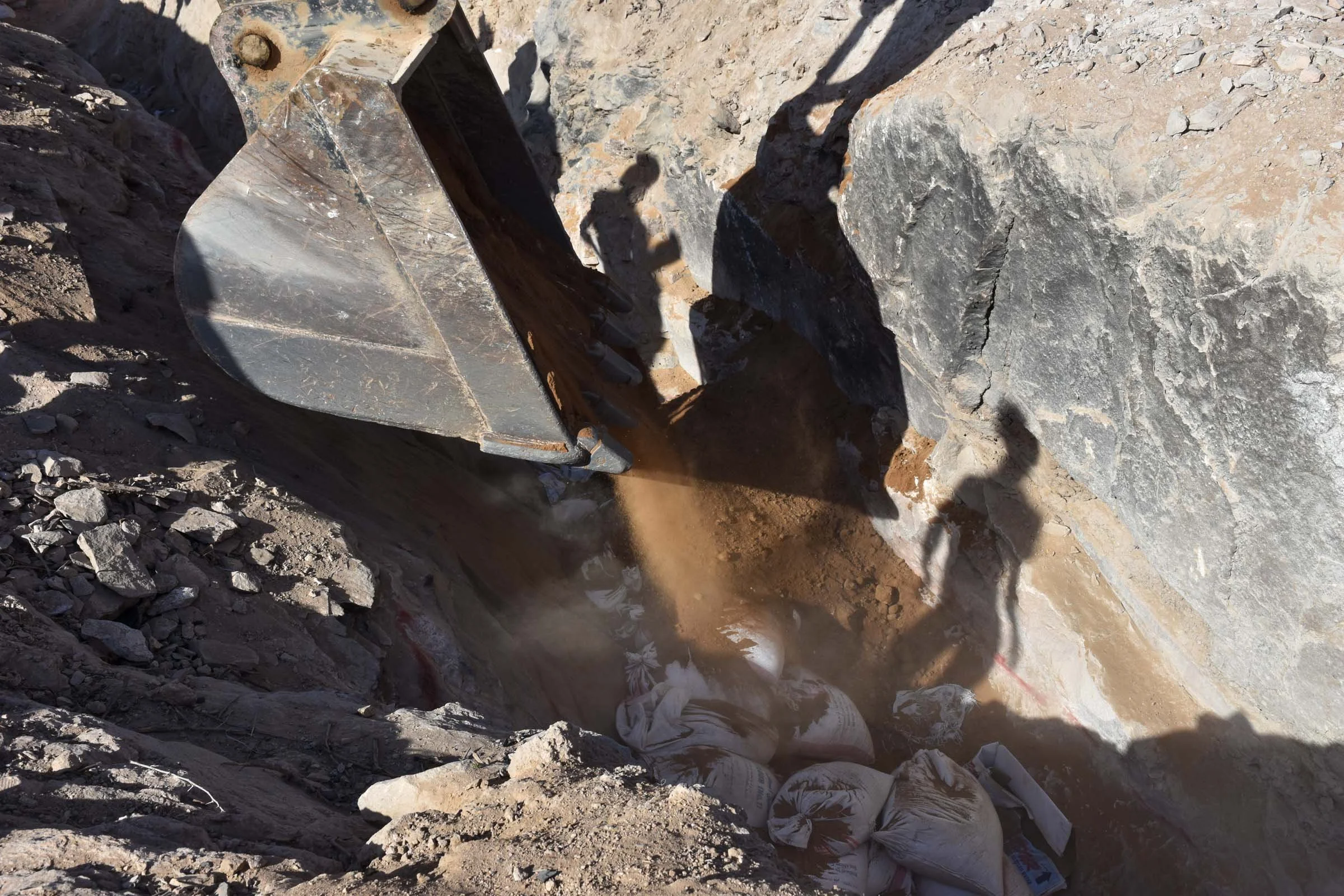
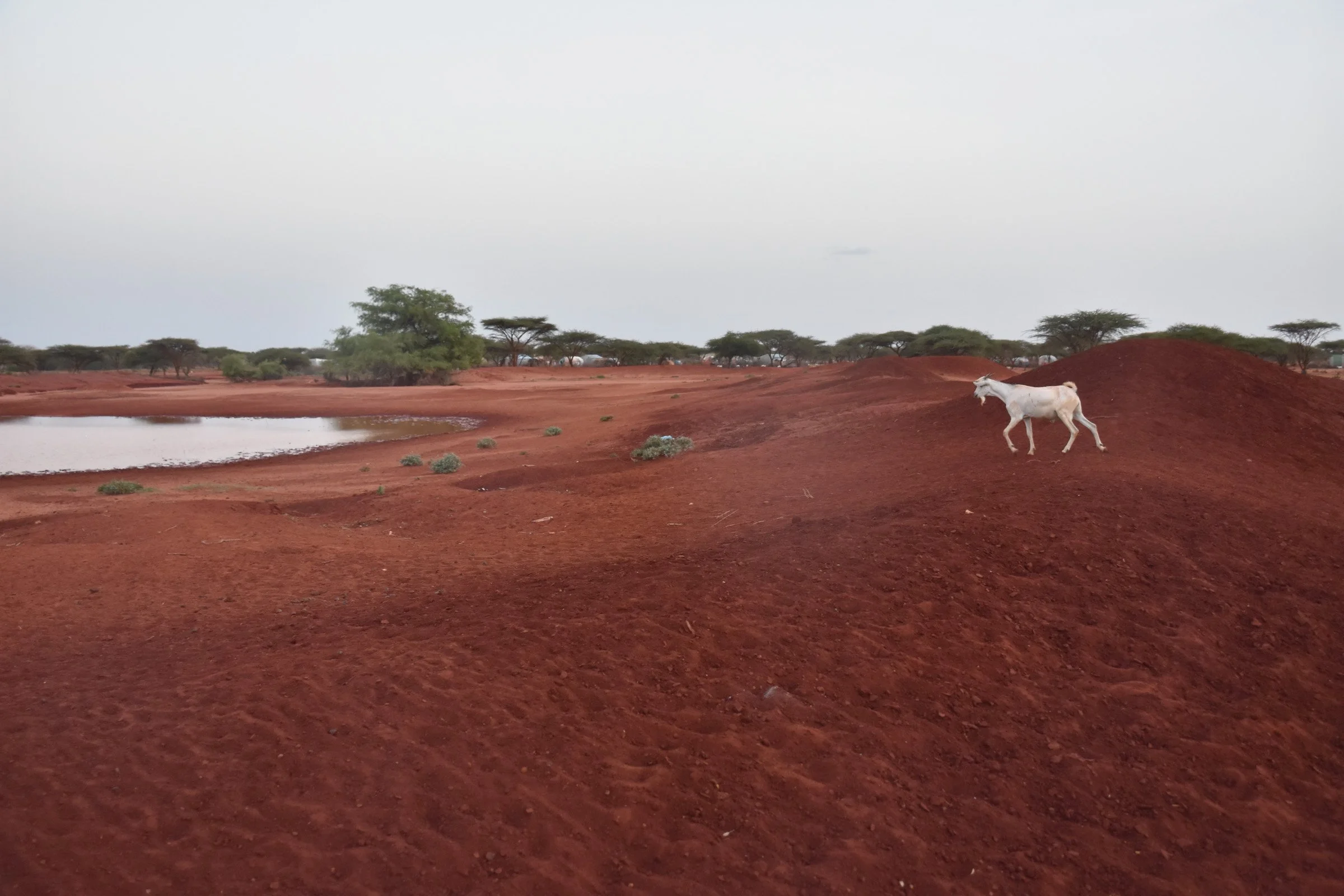
A goat makes its way to a watering point at Ballidhiig, a community on the red-earthed Haud plateau that straddles the Somaliland-Ethiopia border, an area afflicted by punishing and cyclical drought. For dozens of years, landmines laid around such reservoirs cut off Ballidhiig’s vital water storage facilities for people on both sides of the border. Deliberately placed there by the Somali National Army to make water access impossible, it was a move that has inflicted immeasurable suffering and damage. As pastoral livelihoods and ways of life are squeezed by growing urbanisation, the privatisation of land, and the overgrazing of ever sparse pasture, explosive contamination has further challenged the physical and mental resilience of pastoralist communities.
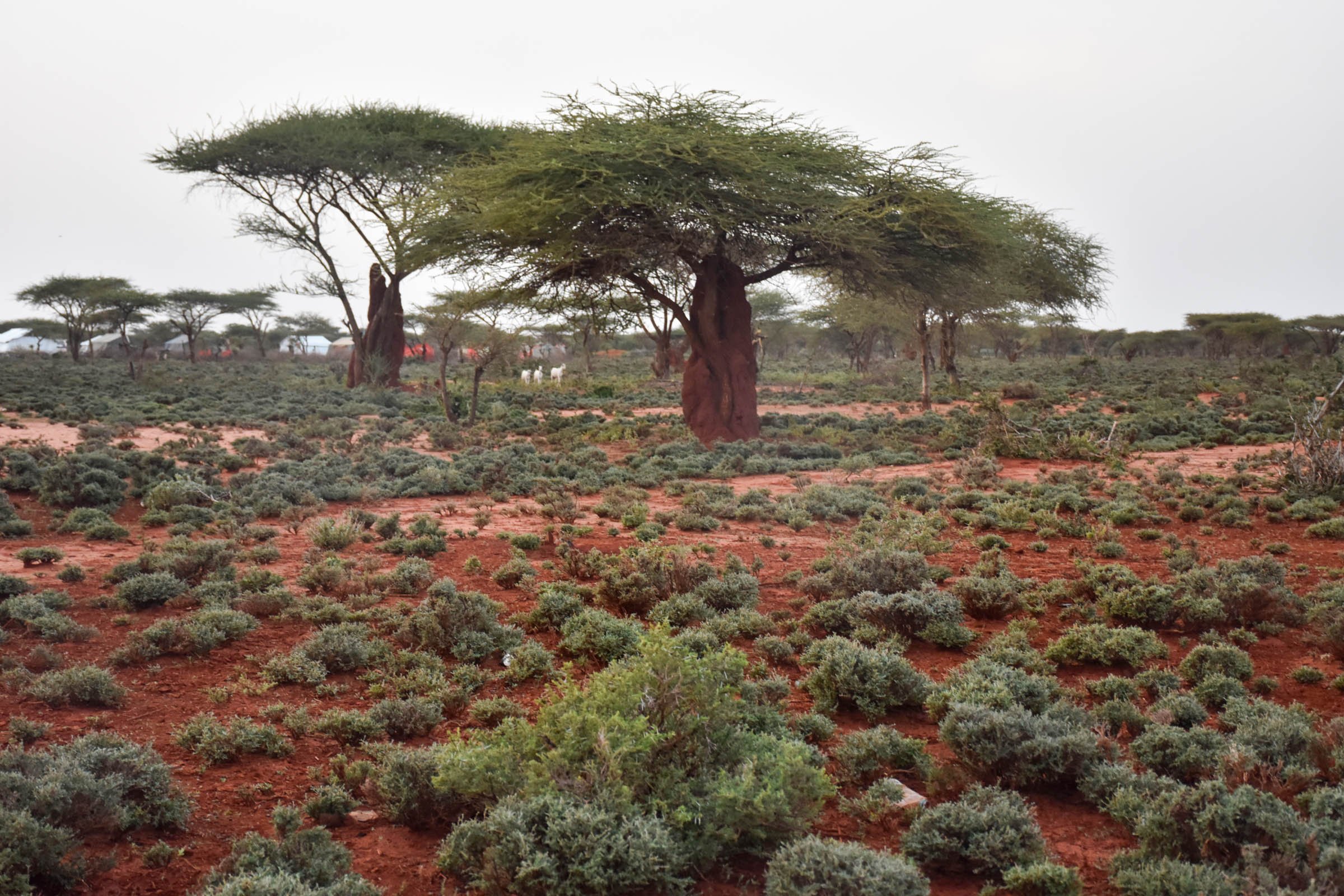
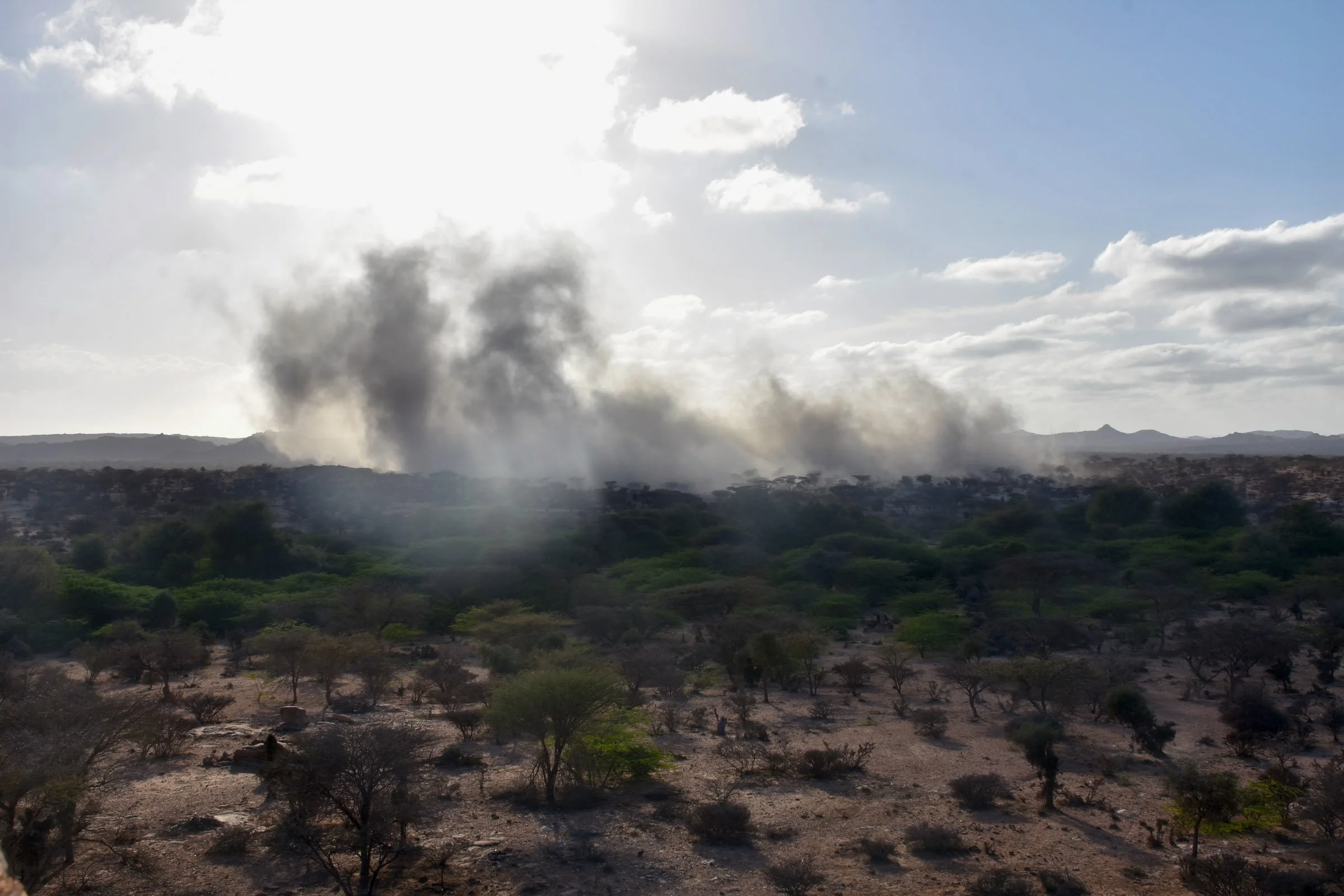
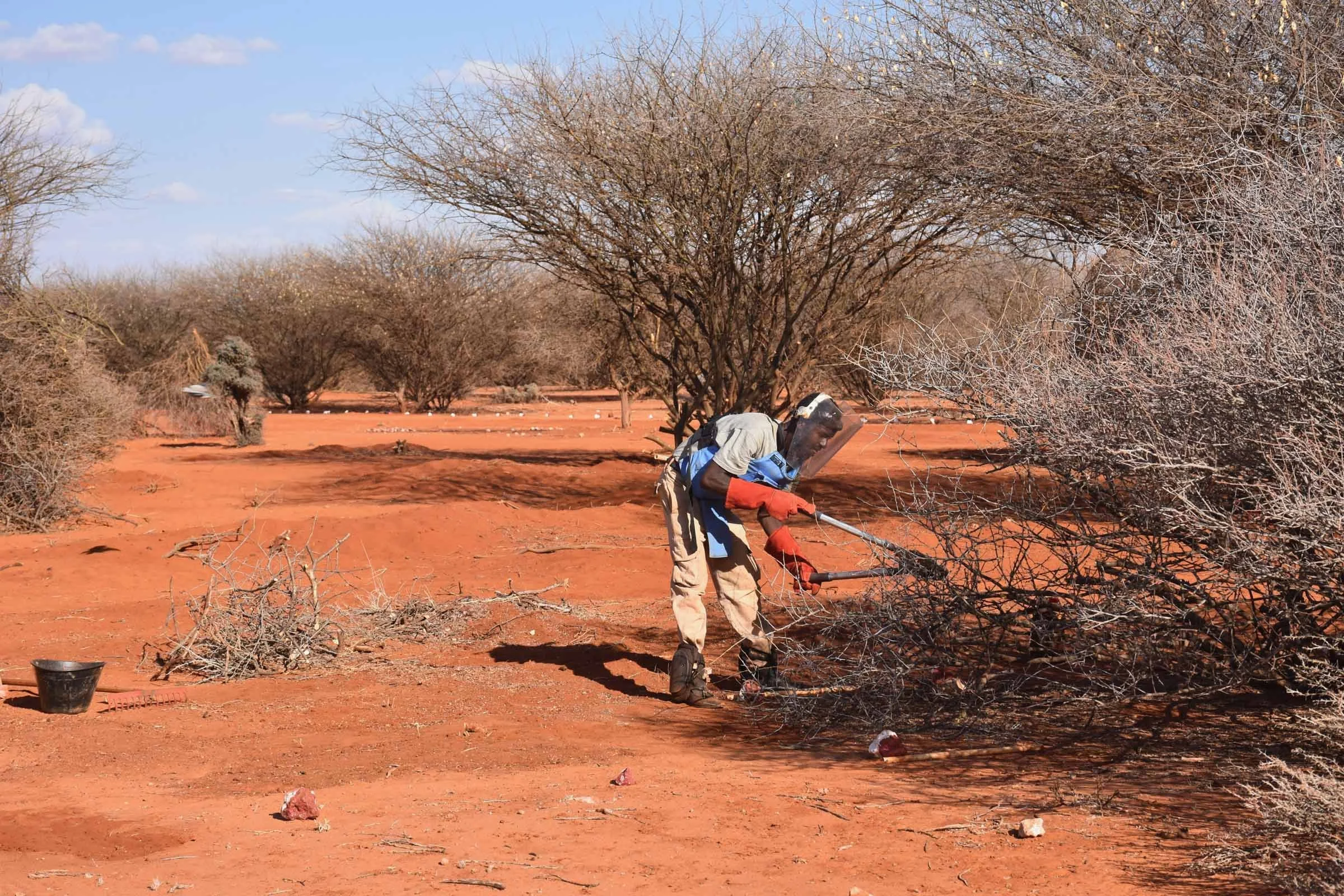
At Bisiqa, a deminer cuts back vegetation, an initial step in the mine clearance process. Though necessary, the loss of vegetation can cause a decline in soil nutrition and quality, with reverberating ecological harm. As land is degraded, the pressure on communities and ecosystems exacerbates already precarious conditions for living. For rural and agro-pastoralist communities whose livelihoods and wellbeing are inextricably connected with the land, seeing the environment harmed is an additional trauma.
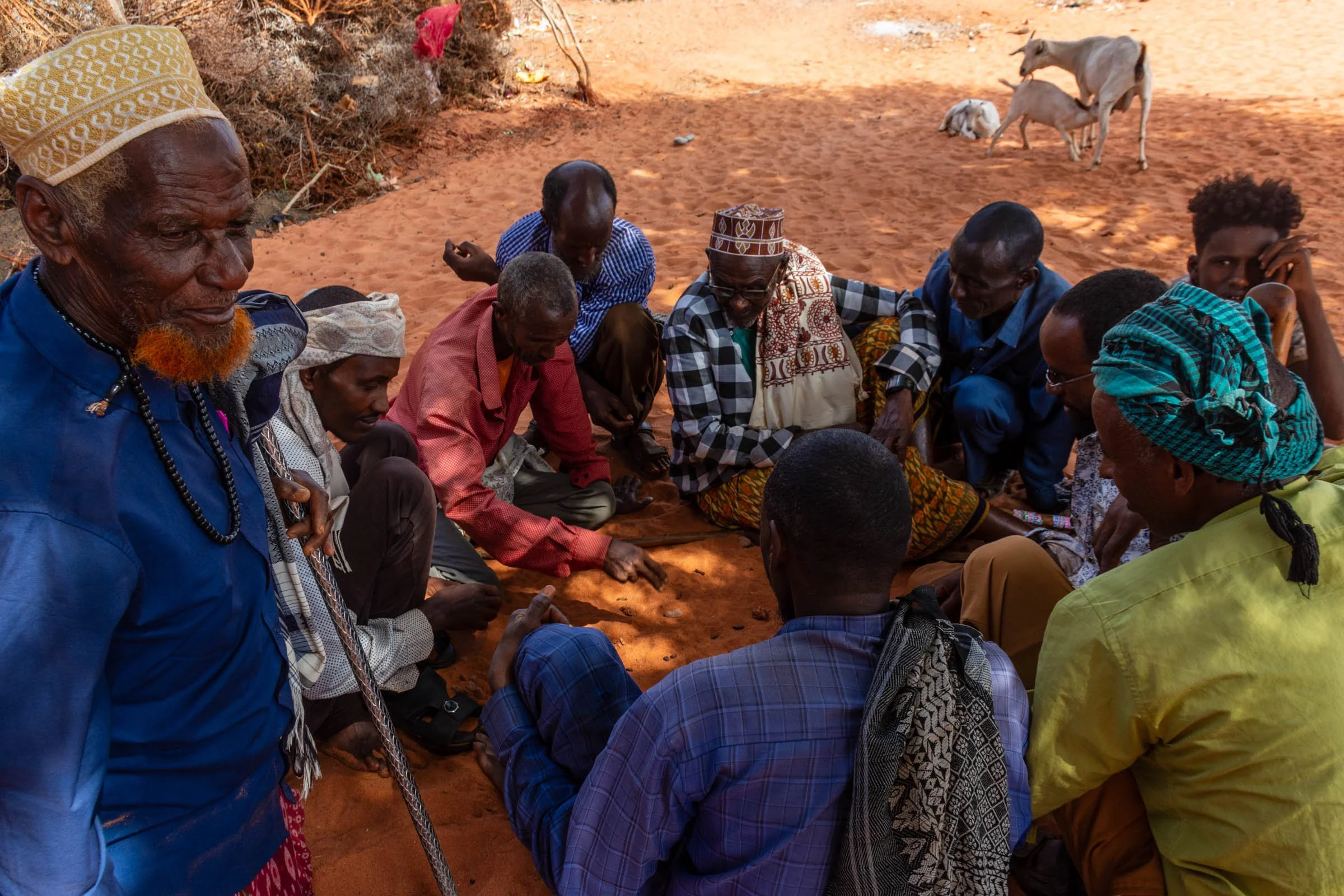
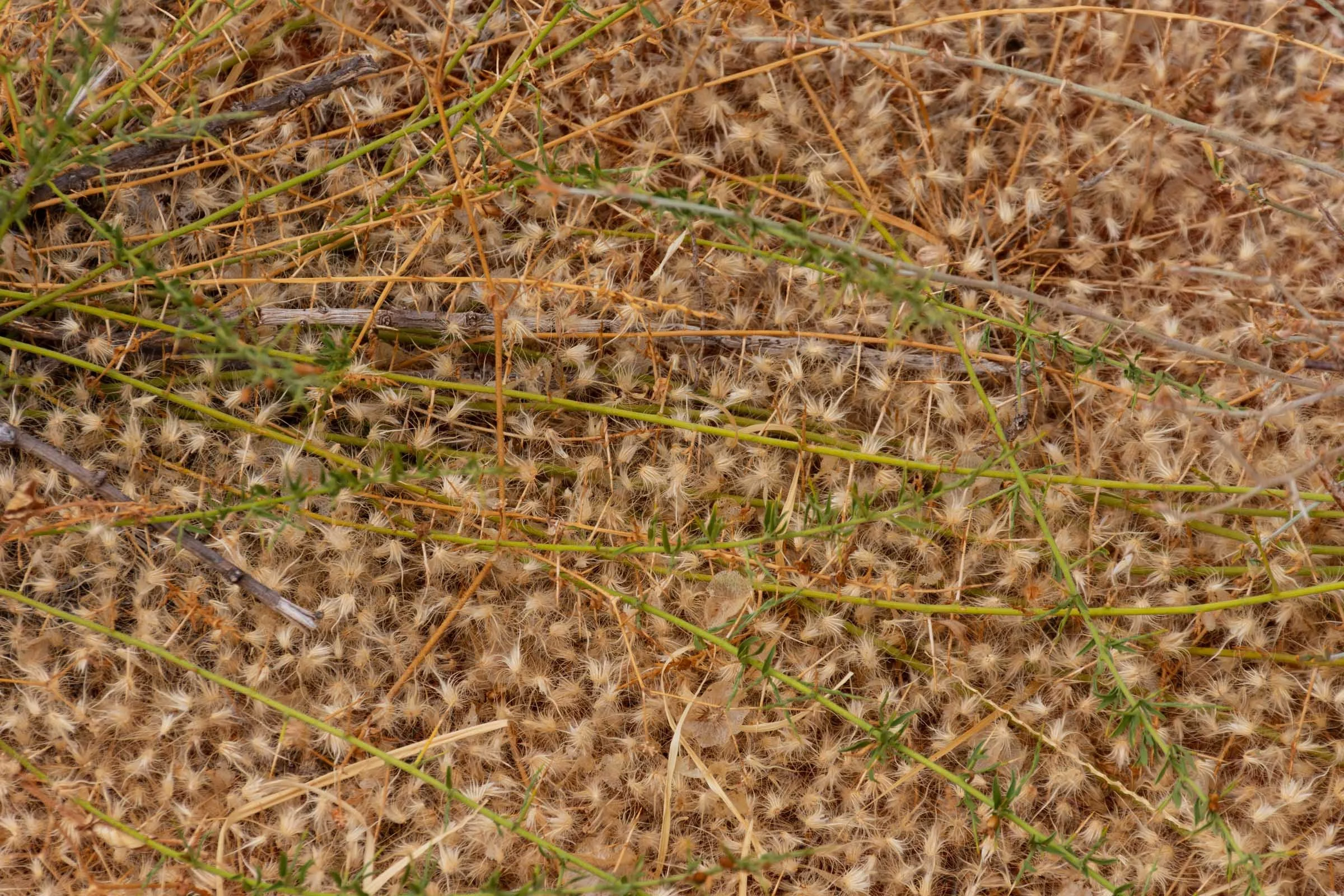
In the dry heat of the afternoon, men sit under the dappled shade of a tree playing shax - a Somali version of chess with date stones for pieces - on the burnt orange earth. At the edge of the village of Nasiye, a new colour palate has appeared, transforming the vista into a sea of creams, yellows and greens. Native grasses not seen in the area for 20 years are springing up determinedly out of the ground, their feathered blades criss-crossing in the wind. Newly planted and reseeding themselves, they are appearing thick and fast, blanketing the once-sparse earth.
The re-greening of this land has allowed soil to recover from the erosion caused by mine clearance and overgrazing livestock, and has enabled villagers to plant drought-resistant trees and indigenous grasses, protecting the area’s biodiversity. Shielded by community fencing enclosing this area, these grasses could in future provide a vital reserve for herds in times of drought.

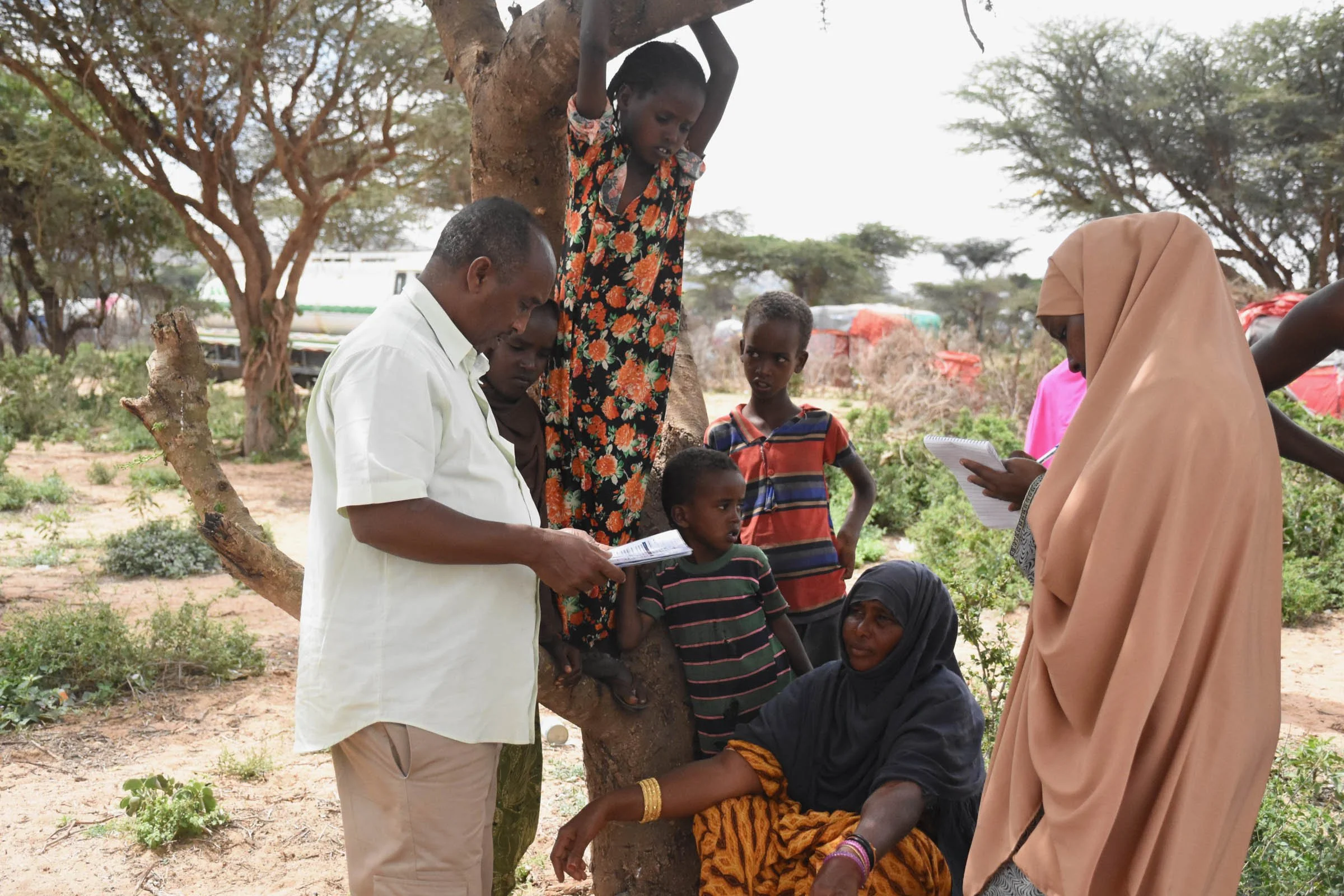
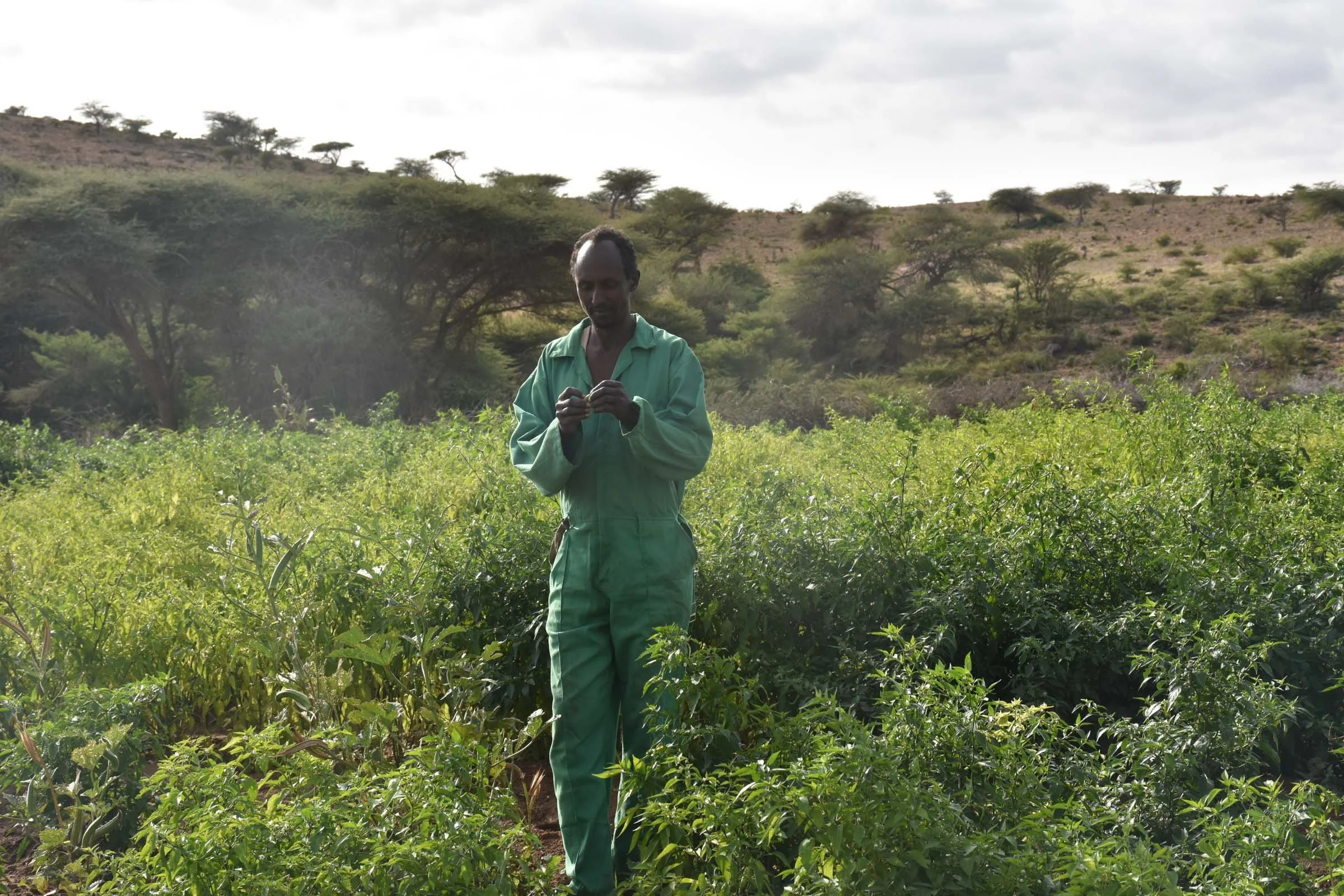
Standing amidst a field of okra, machine operator Khadar explains how the formerly mined land has been transformed. Having lived here for over 18 years he remembers when this area lay bare and neglected and families were gripped by fear. Now selling bags of tomatoes, peppers, beetroot and okra grown in these fields, his livestock also cross this area to access essential grazing. Next to the fields, a well - once blocked by landmines - supplies water to nearby Sheikh.
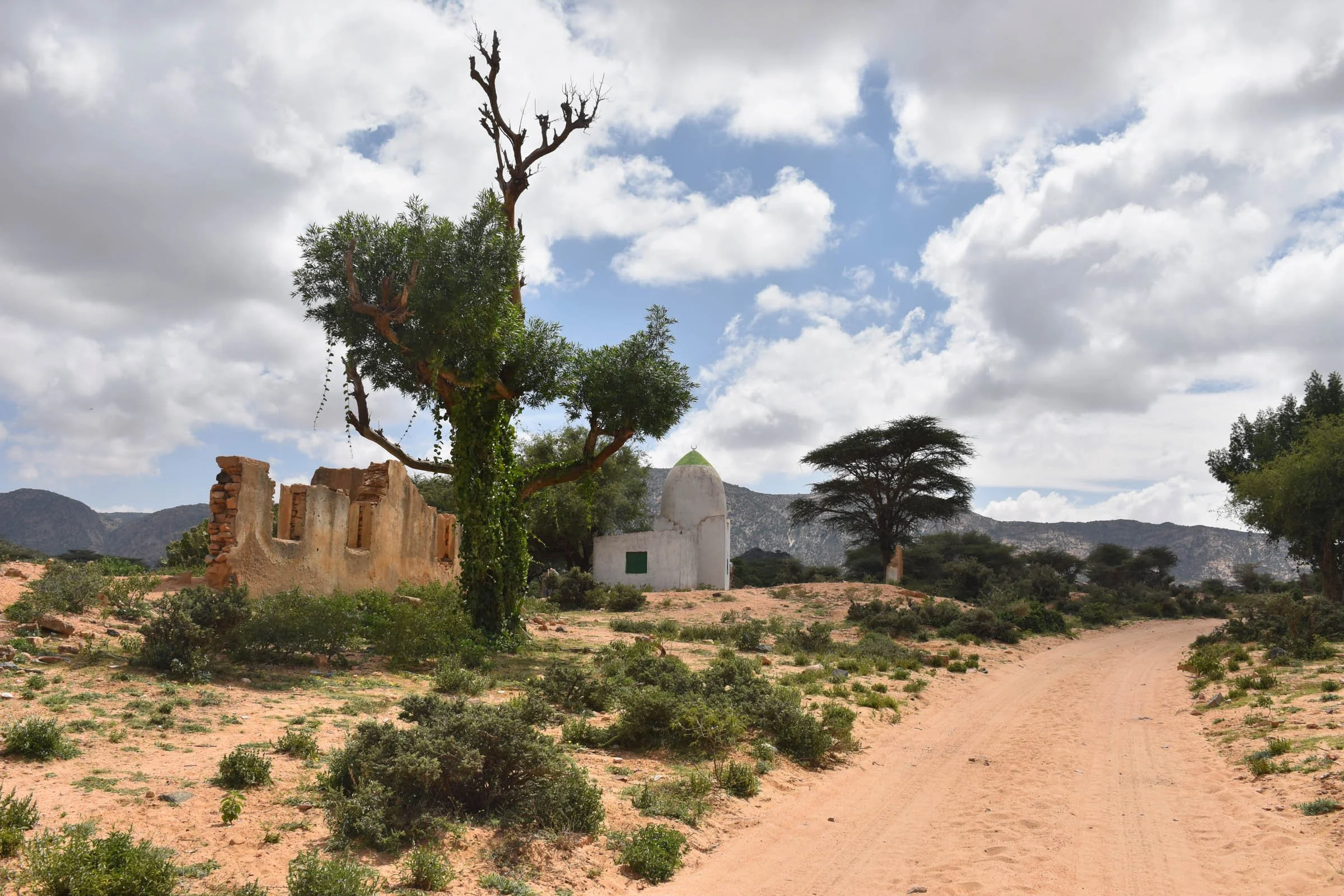
The cost of clearing explosive devices left behind from conflict runs to billions of dollars, a price that few are willing to pay. Until then, it is civilians who suffer the lasting damage. Causing physical and mental harm, environmental degradation, and inducing displacement, the far-reaching impact of these weapons spans generations.